
Walk into a healthcare conference and you will see everything from sharp suits to casual shirts with a hospital lanyard. What you should wear depends mostly on your role and the day’s schedule, so a few minutes of planning before you pack is worth it.
Quick answer: Wear polished business casual to most of a healthcare conference, and switch to business professional if you are presenting, meeting senior people or attending a formal dinner. Clinicians can normally leave scrubs at home unless the event says otherwise, industry staff follow their company’s look, and students should aim for neat and comfortable. Shoes you can stand in matter as much as the outfit.
What to Wear to a Healthcare Conference by Role
Your role sets the starting point: presenters dress most formally, general attendees in business casual, and everyone adds one polished layer for networking. The best outfit also depends on the conference format, venue, schedule and weather. A workshop or smaller event is fine in business casual, while a large international conference at a hotel or convention centre usually feels more formal.
| Attendee | Recommended Outfit |
| Men | Dress pants, button-down shirt, blazer, polished shoes, optional tie |
| Women | Blouse with dress pants or skirt, professional dress, blazer, flats or low heels |
| Clinicians (nurses, physicians, allied health) | Business casual in street clothes; scrubs only if you come straight from a shift or the event says so |
| Industry and exhibitors | Your company’s look, kept neat; business professional for sponsor and partner meetings |
| Presenters or speakers | More formal business attire, such as a suit, blazer, or structured dress |
| Students or first-time attendees | Clean business casual attire with comfortable professional shoes |
| Networking events | Slightly more polished business casual or business professional attire |
Clinicians: Scrubs or Street Clothes?
Street clothes are the safer choice, because scrubs are work clothing and conference sessions are a professional, non-clinical setting. If you are coming off a shift, a clean set of scrubs with a neat layer is understandable, but check the event page first. Some hospital-hosted events or site visits have their own rules on footwear, jewellery or hand hygiene, so follow the host’s instructions if they give any.
Industry and Exhibitors
If you represent a company, follow your organisation’s dress expectations and keep the overall look neat. Booth staff spend hours standing, so supportive shoes matter more than usual. Switch to business professional for sponsor meetings, partner introductions and evening events.
Students and First-Time Attendees
Students should choose neat business casual that looks serious and prepared. You do not need a suit. A clean collared shirt or blouse, dress pants or a skirt, and comfortable professional shoes will fit in anywhere, and a blazer gives you a formal option if you are asked to speak or meet a senior professional.
Not Sure About the Dress Code? Ask
Asking the organisers is quick and removes the guesswork. Check the conference website, registration email, agenda or attendee guide first. Some events state a dress code and others do not, so when nothing is stated and you cannot ask, choose clothing that looks professional without being overly formal. Norms can also differ between specialties and between clinical, research and industry meetings, so a colleague who attended the same meeting before is a useful second source. If you can reach the organisers, a short message like this works:
Hello [Organiser name], I am registered for [Event name] on [date] as a [presenter / listener]. Is there a suggested dress code for the sessions and the evening reception? Thank you, [Your name]
A helpful rule when there is no answer: dress one level more polished than your everyday workwear.
Why Your Clothing Choice Matters at a Healthcare Conference
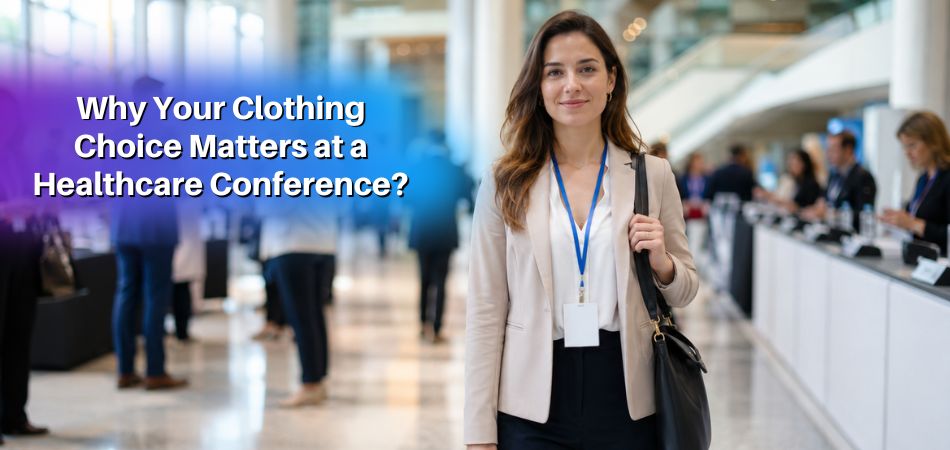
Your clothing shapes how others read your professionalism before you say a word. Attendees at a healthcare conference can include physicians, nurses, researchers, administrators, public health professionals, students, policymakers, exhibitors and international guests. The event is also where people exchange ideas, build partnerships, discuss research and explore careers, so your appearance becomes part of how you communicate.
Professional Credibility
A polished outfit supports your credibility in a healthcare setting. It suggests that you take the event seriously, respect the setting, understand conference etiquette and are ready to meet peers. This does not mean expensive clothing. A simple, clean, well-fitted outfit looks more professional than a costly one that feels out of place or uncomfortable.
First Impressions and Networking
Introductions at a conference are brief, and your appearance can influence how they begin. You may introduce yourself at registration, after a session, at an exhibitor booth or during a reception. Appropriate clothing makes people more likely to see you as prepared and engaged. This matters most if you are attending for career growth, collaboration, research visibility or business development. A blazer, neat blouse, collared shirt or professional shoes can make you look approachable without looking too casual.
Respect for the Event Setting
Dressing well shows respect for the speakers, the organisers and other attendees. Healthcare conferences involve formal presentations, academic discussions and panels, and suitable attire helps keep that tone. At international events, a clean and modest professional outfit is usually the safest choice because it works across most cultural and professional expectations.
Confidence During Long Conference Days
The right outfit keeps you comfortable all day, not only when you arrive. A day can include early registration, keynotes, breakout rooms, networking lunches, poster presentations and an evening reception. Tight clothes, painful shoes or the wrong layers can break your focus. Choose clothing that lets you walk between rooms, sit through long sessions, stand at receptions, carry a laptop or notebook, and cope with cold meeting rooms or warm outdoor areas.
Understanding the Typical Healthcare Conference Dress Code
Healthcare conferences generally fall between business casual and business professional. The formality depends on the event type, venue, audience and your role.

Business Professional Attire
Business professional is the safest choice for formal sessions, presentations, award sessions, executive meetings and high-level networking. Typical pieces are a suit or blazer with dress pants, a button-down shirt or formal blouse, a professional dress with a blazer, or a knee-length or midi skirt with a blouse. Add closed-toe dress shoes, loafers, flats or low heels, minimal accessories and neat grooming.
Men may add a tie. It is not always required, but it helps for formal sessions, speaking roles or meetings with senior professionals. Women may choose a structured dress, a blouse with trousers or a skirt, or a blazer over a professional outfit.
It is especially suitable if you are speaking on stage, presenting research, meeting sponsors or partners, representing a hospital, university, company or association, attending a formal dinner or award ceremony, or taking part in media, interviews or photography.
Business Casual Attire
Business casual is professional but slightly more relaxed, and it is often the best option for general attendance. Typical pieces are dress pants or chinos, a collared shirt, blouse or knit top, a blazer, cardigan or smart jacket, a professional dress or a skirt with a simple top, and loafers, flats, low heels or clean dress shoes.
Business casual does not mean everyday casual clothing. A crisp shirt with dress pants is right, while a graphic T-shirt with jeans is usually too informal. It works well for breakout sessions, workshops, general networking, exhibitor visits, student attendance, smaller events and multi-day conferences where comfort matters. If you are unsure whether it is enough, add a blazer. It makes a simple outfit look more professional and can come off if the setting is relaxed.
Example: What One Nursing Conference Guide Advises
A published attendee guide for a large nursing congress suggests business casual with layers and comfortable walking shoes. The Oncology Nursing Society’s Congress blog (April 2023) recommended “Business Casual clothes with layers” because temperatures in large conference centres can be difficult to control, and it stressed shoes you are comfortable walking in for long days. Treat one event’s guide as an example, not a rule for every healthcare meeting.
When Formal Clothing May Be Expected
Expect to dress more formally for opening ceremonies, keynotes, panel appearances, sponsor meetings, award banquets, formal receptions and executive networking. Some healthcare events bring together senior executives, government representatives, researchers, investors or international delegates, which raises the bar. Avoid anything too trendy, relaxed or loud, and choose a structured blazer, suit, formal dress or polished shoes. You do not need to overdress dramatically; the goal is to suit the importance of the occasion.
When a More Relaxed Outfit May Be Acceptable
A slightly relaxed outfit can work for pre-conference registration, informal training, volunteer setup, small workshops, coffee meetups and a final day with no formal meetings. Clean chinos, a collared shirt, a modest knit top or comfortable flats may be suitable. Relaxed should still mean neat: athletic shorts, wrinkled shirts and overly revealing clothing weaken your image even on a quiet day.
When in doubt, choose business casual with one polished layer, such as a blazer, cardigan or structured jacket. It gives you flexibility without looking underdressed.
Healthcare Conference Outfit Ideas for Men
Men should wear clean, structured clothing that fits the event’s level of formality. For most healthcare conferences, a blazer with dress pants and a collared shirt is a reliable choice. It suits networking and adjusts easily through the day. The goal is to look polished, comfortable and ready for professional interaction, not overly formal unless the event requires it.

Business Professional Outfit Options
This level suits speakers, presenters, executives, researchers, sponsors and anyone joining formal sessions at major hotels and convention centres. Good options are:
- A navy, charcoal or black suit with a dress shirt
- A blazer with matching or coordinated dress pants
- A button-down shirt with a tie
- A dress shirt under a lightweight sweater and blazer
- Polished leather shoes or formal loafers with a matching belt
A tie is useful when the event is formal, but not every session needs one. If you are unsure, carry one in your bag and put it on for presentations, interviews, formal dinners or high-value meetings. White, light blue, pale grey and subtle patterns work well for shirts because they look clean and match most suits.
Business Casual Outfit Options
Business casual suits most general conference days. It gives a professional look without a full suit. Good combinations are:
- Dress pants with a collared shirt
- Chinos with a button-down shirt and blazer
- A polo shirt with well-cut trousers
- A dress shirt with a cardigan or lightweight jacket
- A blazer with dark trousers and no tie
Choose clothes that are pressed, fitted and simple, and skip large logos, loud graphics and casual slogans. For a multi-day conference, two pairs of trousers, several shirts and one versatile blazer give you enough variety without heavy luggage.
Shoes and Accessories for Men
Shoes should look professional and stay comfortable through long hours. Healthcare conferences often involve walking through large venues, standing at booths and moving between rooms. Leather dress shoes, loafers, Oxfords, Derbies and clean professional slip-ons all work. Even polished shoes become a problem if they are stiff, so wear socks that match the formality of the outfit and keep you comfortable all day.
Keep accessories simple and functional: a classic watch, a neat belt, a subtle tie with a simple tie clip, a professional laptop bag or briefcase, and your conference badge worn clearly. If you need a backpack for formal sessions or meetings with senior professionals, choose a clean, structured one in a neutral colour instead of a bulky casual one.
What Men Should Avoid Wearing
Beyond the general list in the “what not to wear” section below, men should watch for wrinkled shirts, dirty sneakers, hoodies and clothing that is too tight or too oversized. A simple outfit that is clean, comfortable and well fitted beats a trendy one that feels out of place.
Healthcare Conference Outfit Ideas for Women
Women should choose outfits that look professional, feel comfortable and allow easy movement all day. A polished dress, a blouse with dress pants, a skirt with a blazer or a business casual combination can all work depending on the setting. The best outfit is one you do not need to keep adjusting, because conference days mix sitting, walking, standing, networking and carrying materials.
Business Professional Outfit Options
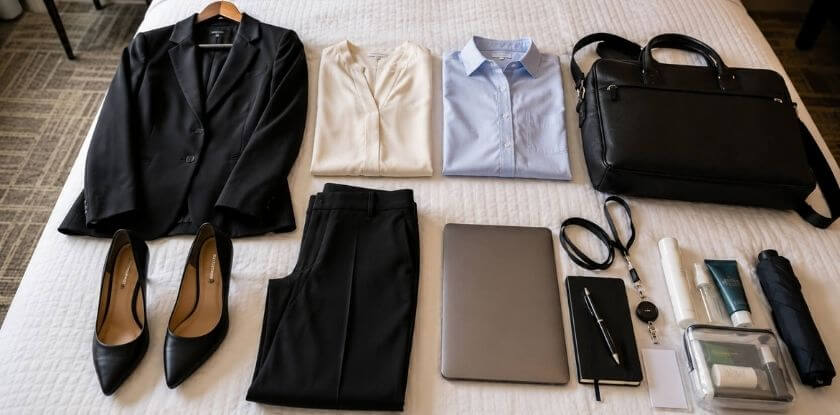
This level suits formal sessions, presentations, executive meetings, research discussions and international healthcare conferences. Suitable ideas include:
- A structured blazer with dress pants
- A blouse with a pencil skirt or midi skirt
- A professional dress with a blazer
- A coordinated suit set
- A structured top with wide-leg trousers
- Closed-toe flats, loafers or low heels
Navy, black, grey, beige and white are easy to style and appropriate for formal settings, and a subtle accent colour can work if the outfit stays professional. Choose fabrics that hold their shape and resist wrinkles so the outfit still looks fresh from morning sessions to evening networking.
Business Casual Outfit Options
Business casual suits regular sessions, workshops, exhibitor visits and daytime networking. It is less formal than a suit but should still look neat and intentional. Good ideas include:
- A blouse with well-cut trousers
- A knit top with a blazer or cardigan
- A professional dress with flats
- A midi skirt with a simple blouse
- Dress pants with a tucked-in top
- A smart jacket with neutral slacks
Avoid anything that feels like weekend, gym or vacation wear. A simple blazer, structured cardigan or polished shoes lifts a relaxed outfit. For multi-day events, one blazer, two trousers or skirts and several tops make multiple outfits without overpacking.
Shoes, Bags, and Accessories for Women
Shoes should be comfortable, stable and professional. Large venues, exhibitor halls and receptions often involve more walking than expected. Closed-toe flats, low heels, block heels, loafers, professional ankle boots and dressy slip-ons are good choices. Very high heels may look formal but become uncomfortable during long events.
A professional bag holds your things without looking bulky. A structured tote, laptop bag, shoulder bag, simple neutral backpack or a crossbody bag for lighter days all work. Keep jewellery, watch, scarf or belt minimal enough that it does not distract during conversations or presentations.
What Women Should Avoid Wearing
Beyond the general list below, women should watch for very short skirts or dresses, low-cut or sheer tops, extremely high heels and anything that needs frequent adjusting. A healthcare conference outfit does not need to be plain. Use colour, texture or accessories with restraint so you look polished and can take part fully without worrying about fit or movement.
What Are the Best Colors to Wear to a Healthcare Conference?
The best colors are neutral, calm and professional. Navy, charcoal, black, grey, white, beige and muted blue are safe because they look polished and combine easily. Your colors should support your professional image without distracting from your message.

Safe Professional Colors
Safe neutrals are ideal for suits, blazers, trousers, dresses, skirts and outer layers.
| Color | Why It Works |
| Navy | Looks professional, calm, and reliable |
| Charcoal | Formal without looking as severe as black |
| Black | Classic, polished, and suitable for formal settings |
| Grey | Neutral, flexible, and easy to style |
| White | Clean and crisp for shirts, blouses, and inner layers |
| Beige or taupe | Soft, professional, and suitable for business casual outfits |
Navy and charcoal are especially useful because they look professional without feeling too bold. Black suits formal sessions and evening events. White works best as a shirt, blouse or layering piece because it contrasts cleanly with darker clothing.
Subtle Accent Colors
A subtle accent colour makes an outfit more personal while staying professional. Light blue, soft green, lavender, burgundy, dusty rose, muted teal, cream, olive and a small amount of deep red all work on blouses, shirts, scarves, ties or pocket squares. A navy blazer with a light blue shirt looks polished and approachable, and a charcoal suit with a burgundy tie or scarf adds personality without distraction. Soft pastels work when balanced with neutral pieces, and deeper shades such as burgundy or forest green look refined when used carefully.
Colors and Patterns to Use Carefully
Bright colors, large prints and busy patterns draw attention away from you, so use them sparingly. Be careful with neon, very bright red, orange or yellow, large floral prints, loud geometric patterns, shiny metallic fabrics, heavy contrast prints and large logos or slogans. Subtle stripes, small checks, fine textures and understated prints are fine. The key is balance: if one item has a pattern, keep the rest simple, and choose one visual point of interest while everything else stays neutral.
How to Choose Comfortable Conference Clothing
Comfortable conference clothing lets you sit, walk, stand and network without distraction. A common mistake is dressing only for appearance. A polished outfit that limits movement or needs constant fixing affects your focus and confidence. Aim for clothing that is well fitted but not tight, easy to move in, suitable for sitting and standing, comfortable across changing temperatures, made from fabrics that hold their shape, and easy to layer.
Fit and Mobility
A good fit looks more polished and lets you move through the day. Clothing that is too tight feels restrictive, and clothing that is too loose looks careless. Before the conference, try on the full outfit: sit down, walk, reach, bend slightly and carry your bag. If anything pulls, gaps or wrinkles badly, adjust it now. Check jacket shoulders, shirt or blouse length, trouser waist and hem, skirt or dress length when sitting, and sleeve length.
Breathable Fabrics
Breathable fabrics keep you comfortable when meeting rooms are cold and crowded halls are warm. Meeting rooms can feel cold, crowded halls warm, and travel between locations adds more temperature changes. Good choices are cotton blends, wool blends, lightweight knits, crepe, ponte, linen blends that do not wrinkle heavily, and stretch fabrics with a structured look. Avoid fabrics that wrinkle quickly or trap heat. Very thin fabrics can look less professional under bright venue lighting, so check your outfit in advance. Structured fabrics with slight stretch are often ideal.
Comfortable Shoes for Walking and Standing
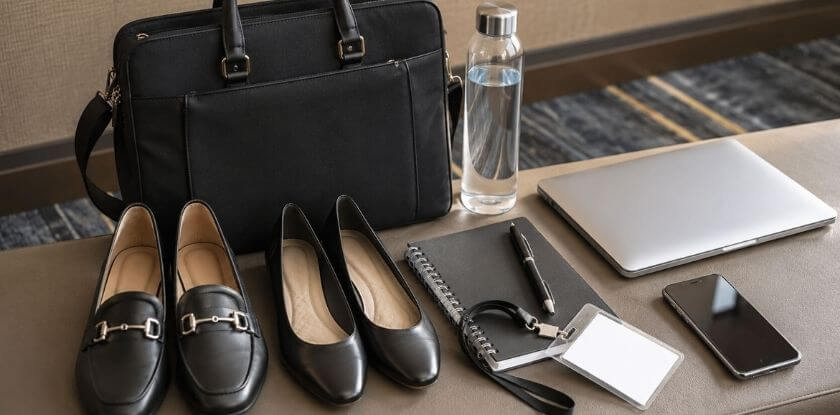
Shoes are one of the most important parts of a healthcare conference outfit. Even a session-based event can mean a lot of walking between registration, meeting rooms, exhibitor halls, dining spaces and networking events. Choose supportive pairs such as loafers, closed-toe flats, low or block heels, dress shoes, ankle boots or cushioned formal shoes.
Never wear brand-new shoes for the first time at the conference. Break them in and check that they stay comfortable after several hours. Blister pads or a backup pair of foldable flats help if the schedule includes a long reception or lots of walking.
Layering for Changing Room Temperatures
Layers keep you comfortable when rooms are too cold, too warm or unpredictable. Large venues often have strong air conditioning, while crowded networking spaces can feel warm. Useful pieces include a blazer, cardigan, lightweight jacket, shawl or scarf, a sweater over a collared shirt, and a professional vest or sleeveless blazer. A blazer is the most flexible because it formalises an outfit and can come off if the setting is relaxed. Pick layers that match the outfit so you look polished with or without them. Layering also helps when the day mixes keynotes, workshops, exhibitor visits and evening networking.
What to Wear for Different Healthcare Conference Activities
Dress for the most important activity on your schedule that day. A healthcare conference may include formal presentations, workshops, networking, poster displays, exhibitor visits and evening events. You do not need a different outfit for each one. A blazer, polished shoes, simple accessories and neutral colors let one outfit shift between settings.

Keynote Sessions and Panel Discussions
Choose business professional or polished business casual attire for keynotes and panels. These sessions often involve senior speakers, expert panels, academic leaders, healthcare executives or industry representatives. A blazer with dress pants, a professional dress with a jacket, a button-down shirt with trousers, a blouse with a skirt or slacks, or a suit with closed-toe polished shoes all fit. If you are only attending, business casual is usually enough. If you are speaking, moderating, asking questions for an organisation or meeting high-level attendees afterwards, dress more formally.
Networking Events and Receptions
Wear something slightly more polished than your daytime outfit, because conversations are short and first impressions count. For daytime networking, business casual with a blazer works well. For evening receptions, a suit, structured dress, dress shirt with blazer or elegant blouse with trousers suits the mood.
Receptions often have limited seating, so choose shoes you can stand in. Keep your name badge visible and your bag easy to carry; a bulky bag makes it harder to shake hands, exchange cards or hold materials.
Workshops and Training Sessions
Choose comfortable business casual for workshops and training. Group discussions, hands-on learning and movement between tables are common. Dress pants with a collared shirt, a blouse with comfortable trousers, a knit top with a cardigan, professional flats or loafers, and layers that come off easily work well. Skip stiff or delicate clothing if the session involves demonstrations or practical exercises.
Poster Presentations or Exhibitor Booths
Choose polished clothing that supports long periods of standing. If you are presenting a poster, business professional attire is a strong choice because you may talk with researchers, faculty, potential collaborators or employers. If you are staffing a booth, follow your organisation’s expectations and keep the look neat.
A blazer with trousers, a professional dress with comfortable shoes, a collared shirt with dress pants or a blouse with slacks all work, with low heels, loafers, flats or supportive dress shoes. Avoid shoes that become painful after standing for an hour, since poster sessions and exhibitor halls involve extended conversations.
International Healthcare Conferences
Choose modest, professional attire that works across cultural expectations. Attendees come from different countries and workplace norms. A safe approach is neutral colors, clean lines, moderate hemlines, covered or professional necklines, minimal accessories and business professional or polished business casual clothing.
If the conference is in another country, think about local weather, venue customs and cultural expectations. You do not need to change your style completely, but your clothing should show awareness and respect. It is usually better to be slightly overdressed than underdressed, and a blazer or structured jacket helps you adapt quickly.
What Not to Wear to a Healthcare Conference
Avoid anything too casual, distracting, uncomfortable or unsuitable for a professional healthcare setting. Even when the atmosphere is relaxed, it is still a professional event, so stay within business casual or business professional standards.
Overly Casual Clothing
Overly casual clothing can make you look unprepared. Items fine for travel, errands or weekends are usually wrong for sessions, and casual clothing can make you look less prepared even when the conference states no strict dress code. Avoid:
- Ripped or faded jeans
- Graphic T-shirts and hoodies
- Shorts and sweatpants
- Athletic wear and leggings
- Flip-flops and beach sandals
- Baseball caps
- Clothing with slogans or large logos
Clean dark jeans may pass at some very casual events, but they are not the safest option here. If unsure, choose dress pants, chinos, a skirt or a professional dress.
Distracting Colors or Prints
People should remember your ideas and conversation, not only your outfit. The colour and pattern cautions above apply here. Also leave out clothing with political, humorous or controversial wording. A small pattern or accent colour is fine when the rest is simple, such as a subtle striped shirt, muted scarf or patterned tie.
Uncomfortable or Impractical Shoes
Painful shoes make a long day much harder. Besides untested pairs, skip very high heels, dirty sneakers, shoes with poor support, footwear that makes noise when you walk, and shoes that do not match the formality of your outfit. Loafers, flats, low heels, dress shoes and supportive formal shoes keep comfort and professionalism together.
Excessive Accessories or Fragrance
Keep accessories and fragrance subtle. Strong scents, noisy jewellery, oversized earrings, too many statement pieces, flashy belts or bags, sunglasses indoors, and phone cases or lanyards that clash with your role can distract others. Some attendees are sensitive to fragrance, and crowded rooms intensify strong scents, so a light approach is both respectful and practical.
The best rule is simple: remove anything that competes with your professional presence.
Packing Checklist for Healthcare Conference Attire
Pack complete professional outfits, comfortable shoes, grooming items and the materials you need for sessions and networking. A checklist avoids last-minute stress. One polished outfit may be enough for a one-day event, while a multi-day conference needs each day planned with mix-and-match pieces.
| Pack | What to include |
| Clothing | Blazer, trousers or skirt, shirts or blouses, cardigan, tie or scarf, suitable undergarments, outerwear for the weather, at least one more formal outfit if you present or attend a reception |
| Footwear | Main professional pair, comfortable backup, socks or tights, blister pads or inserts, shoe polish or wipes |
| Grooming | Comb, deodorant, mints, lint roller, stain remover pen, hand sanitizer, wrinkle release spray, any personal medication |
| Materials | Badge or registration confirmation, ID or travel documents, business cards, notebook, charger, copies of your poster or abstract |
Clothing Essentials
Pack clothing that matches the schedule, venue and your role. Besides the table above, pack sleepwear and travel clothing if staying overnight. For multi-day events, a simple palette of navy, black, grey, white, beige and muted tones lets you create several outfits without packing too much. Before packing, try on each outfit with shoes and accessories to confirm it fits and looks right together.
Footwear Essentials
Bring shoes that are professional, supportive and already tested. If the schedule includes an evening reception, a second pair that looks slightly dressier but still feels comfortable helps. A small bag keeps shoes separate in your luggage. Avoid packing only one untested pair for a multi-day event.
Grooming and Personal Care Items
Small personal care items keep you fresh through long days of sessions, meals and travel. Also consider a brush, lip balm, tissues, a small mirror, basic touch-up items, and hair ties or clips. Keep a few in your conference bag rather than only in luggage; a lint roller, mints, stain remover and hand sanitizer are especially handy during the day.
Professional Materials to Carry
Your conference bag should hold what you need without becoming heavy. Beyond the list above, a laptop or tablet, presentation notes or printed materials, a resume or portfolio if you are attending for career opportunities, a reusable water bottle and a small snack for long session blocks are useful. If you are presenting, keep your key materials in your carry-on or personal bag, not checked luggage, so you do not arrive without them.
Preparation Tips Beyond Clothing
Dressing well helps you start conversations, but preparation makes them meaningful. Once the outfit is planned, focus on the agenda, your goals and your follow-up.
Review the Agenda Before Choosing Outfits
The agenda tells you how formal each day needs to be. Look for opening or closing ceremonies, speaker or panel sessions, poster presentation times, networking lunches or receptions, sponsor meetings, workshops, evening programmes and outdoor or off-site activities. If one day has a formal presentation and another has workshops, plan different levels of polish so you are never underdressed or overdressed at key moments.
Match Your Clothing to Your Goals
Your outfit should support what you want to achieve. Presenting calls for business professional attire, networking with senior professionals for slightly more formal clothes, workshops for comfortable business casual, and representing an organisation for brand or team expectations. Students should stay with neat business casual that looks serious and prepared.
Prepare for Networking
Networking is easier when your introduction and materials are ready before the event. Prepare a short introduction covering who you are, your role or field, and why you are attending. Bring a few questions for speakers or attendees, business cards or a digital contact method, a notebook or app for details, and a short professional bio if relevant. A simple introduction makes conversations feel natural instead of forced.
Plan Outfits for Multi-Day Conferences
Plan one complete outfit for each day plus a backup before you travel. Do not decide each morning when sessions start early. Use versatile pieces such as a blazer, neutral trousers or professional shoes, and avoid packing many statement pieces. On the first day, notice what other attendees wear and adjust the rest of your plan if the room is more relaxed or more formal than you expected.
| Conference Day | Outfit Approach |
| Day 1 | Polished business casual for registration and opening sessions |
| Presentation day | Business professional attire |
| Workshop day | Comfortable business casual clothing |
| Networking evening | Slightly more refined outfit or polished layer |
| Travel day | Neat, comfortable clothing that still looks presentable |
Follow Up After the Conference
Good follow-up turns brief conversations into useful professional relationships. Review your notes, organise contact details, send follow-up emails within a reasonable time, connect on LinkedIn with a short personal message, and share any documents you promised. Note which sessions were most useful and what you would change next time.
From our experience at MS International: Our conferences are held in person in the Greater Toronto Area, with presenting authors and registered attendees (listeners). A moderator introduces each speaker, and presenters receive a certificate after presenting, so plan one business professional outfit for your presentation day and keep business casual for the other days. Our event pages do not publish a dress code, so if you are unsure what the room expects, ask the organisers before you travel.
FAQ: Healthcare Conference Attire
Scrubs, jeans or sneakers at a healthcare conference? The choice shifts for nurses, students, non-clinical attendees, networking evenings, virtual sessions and how many outfits to pack.
Can I wear jeans to a healthcare conference?
Jeans are usually not recommended unless the event clearly allows casual dress. Dress pants, chinos, skirts or professional dresses are safer. If jeans are acceptable, choose dark, clean denim without rips and pair it with a blazer and polished shoes. Skip jeans on a day you present.
Are sneakers acceptable at a healthcare conference?
Sneakers are acceptable only if they look clean, minimal and professional. Athletic, running or worn-out sneakers look too informal for most settings. Loafers, flats, low heels, dress shoes or supportive formal shoes are better, especially at large venues.
Can I wear scrubs to a healthcare conference?
Scrubs are generally not expected, so wear them only if you come straight from a shift or the event says they are fine. Otherwise choose business casual street clothes. If you attend a hospital-based session or site visit, follow the host’s own rules.
What should nurses wear to a nursing conference?
Nurses should wear business casual street clothes rather than scrubs, with closed-toe shoes they can walk in all day. Bring a cardigan or blazer for cold session rooms, and dress one level more formally if you are presenting a poster or a talk.
Is business casual appropriate for every conference day?
Business casual suits many days but not every event on the schedule. It works for workshops, general sessions, exhibitor visits and daytime networking. Choose business professional if you are presenting, attending an award ceremony, joining an executive meeting, meeting senior professionals or attending a formal reception, and check the agenda each day.
Should I dress differently for networking events?
Yes, networking events usually call for a slightly more polished outfit than regular sessions. A blazer, structured dress, dress shirt, well-cut trousers, polished shoes or an elegant blouse helps you look ready to meet new contacts without dressing dramatically.
Should I consider the venue before choosing my outfit?
Yes, the venue affects formality, comfort and practicality. A convention centre, hotel, university, hospital or resort may each set slightly different expectations. Choose comfortable shoes for large venues, business professional or polished business casual for hotels, and business casual for university or workshop settings unless you are presenting.
What should I wear if I am not a healthcare professional?
Wear business casual or business professional clothing that shows respect for the event. Students, researchers, vendors, administrators, marketers, public health workers and business representatives all attend. You do not need clinical clothing unless your role requires it; a neat blazer, collared shirt, blouse, dress pants, skirt or professional dress is usually right.
What should students wear to a healthcare conference?
Students should wear neat business casual with comfortable professional shoes. A suit is not needed, but add a blazer if you are presenting a poster or meeting senior professionals.
What should I wear to a virtual healthcare conference?
Dress professionally on camera, especially from the waist up. A clean shirt, blouse, blazer, cardigan or professional top helps. Avoid busy patterns, very bright colors or distracting accessories near your face, and use a simple background, good lighting and a camera angle that looks professional.
How many outfits should I pack for a multi-day healthcare conference?
Pack one complete outfit for each conference day, plus one backup if possible. One blazer, two or three tops, two bottoms, one professional dress or suit option and comfortable shoes is a practical base. If you have a presentation, formal dinner or networking reception, add a more polished outfit for that event.
Final Takeaway: Dressing Smartly for a Healthcare Conference
The best healthcare conference outfit is professional, comfortable and suited to your role. Use business professional for presentations and formal sessions, and polished business casual for general attendance, workshops and daytime sessions. Pick clothes that fit well, stay in calm colors, allow easy movement and come with shoes that look right and feel good, then let your expertise do the talking.