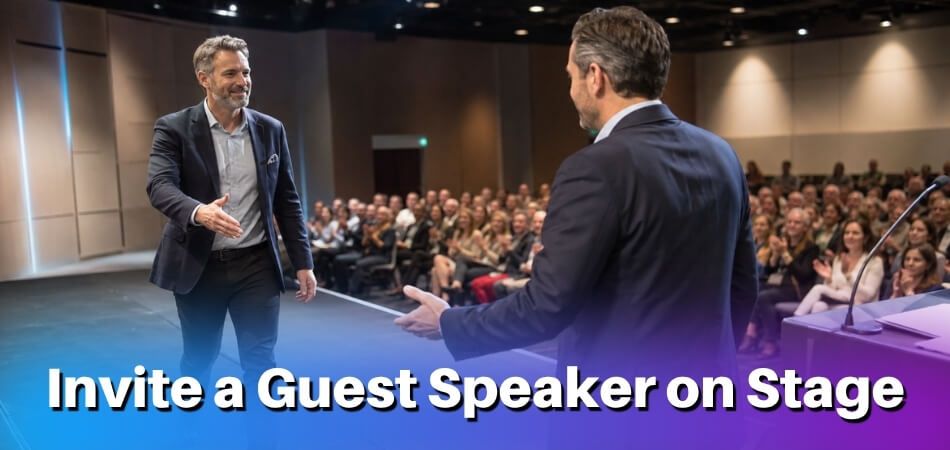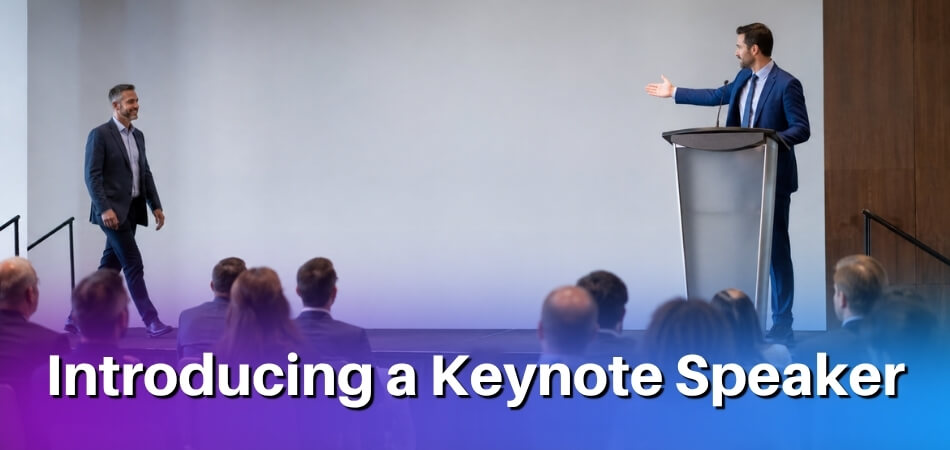

If you have spent any time scanning a conference schedule, you have probably seen “Plenary Session” and “Keynote Address” listed as separate items and assumed they were two labels for the same thing. They are related, but they are not the same. The two roles have different purposes, sit in different places in the programme, and call for different briefs. In MICE work (Meetings, Incentives, Conferences, and Exhibitions), mixing them up can cause real confusion around speaker briefs, room set-up, and session design.
Quick answer: A plenary session is any slot the whole conference attends with nothing running in parallel, while a keynote is the featured talk that sets the event’s theme, usually at the opening or close. A keynote is often given in a plenary slot, but not every plenary talk is a keynote. Organisers use both terms loosely, so check how each programme defines them.
This article covers the practical differences between the two roles, how real conferences label and time them, and what a planner or speaker needs to know when briefing or accepting each one.
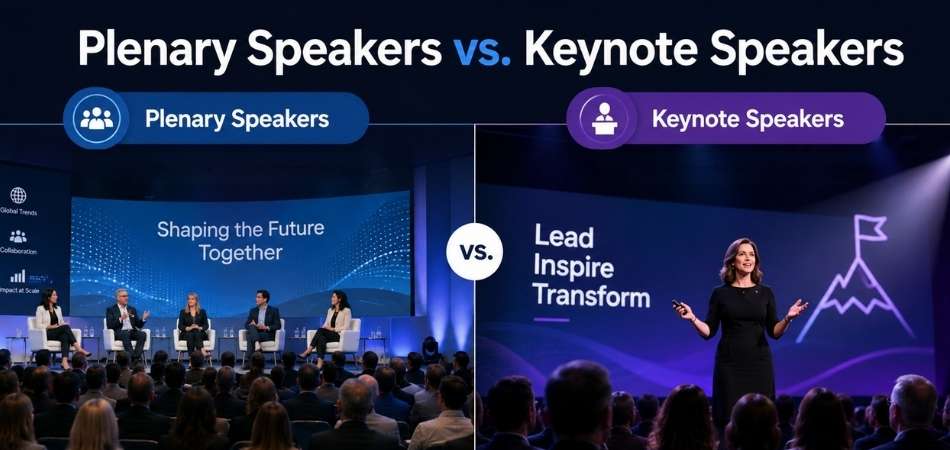
Plenary vs Keynote Speaker at a Glance
A keynote speaker frames the event, and a plenary speaker presents to the full audience during a session with no parallel tracks. The terms get mixed up because both involve one speaker addressing a large group, and some schedules use them interchangeably. The table compares the factors that matter most.
| Factor | Plenary Speaker | Keynote Speaker |
| Role | Presenter at a session the full conference attends | Speaker who sets the theme or tone for the event |
| Session name | Plenary Session or General Session | Keynote Address or Opening/Closing Keynote |
| Timing | Any point in the schedule; not always opening or closing | Typically opens or closes the conference |
| Audience | All registered attendees, no competing concurrent sessions | All registered attendees (for the main keynote) |
| Primary purpose | Deliver substantive content on the conference topic | Inspire, frame the theme, set the register |
| Tone | Can be academic, technical, or instructional | Usually motivational, visionary, or narrative-driven |
Two points are easy to miss. A plenary session is defined by its exclusive time: nothing else runs against it. A keynote is defined more by its function, which is to frame the event so the rest of the programme builds on it. Lucid Meetings’ glossary puts the first idea simply: a plenary is “the part of the meeting or conference that everyone attends”, and it notes that an opening keynote may count as a plenary session for exactly that reason. Speaker-agency guides disagree on how strictly to separate the two terms, and some treat them as interchangeable, so the programme’s own wording is the deciding source.
An invited speaker or guest speaker can fill either slot. The label tells you the structural position (plenary or keynote), while the speaker type tells you how the person was sourced. A panel speaker is rarely placed in either role, since both usually rely on one voice carrying the room.
What Is a Keynote Speaker?
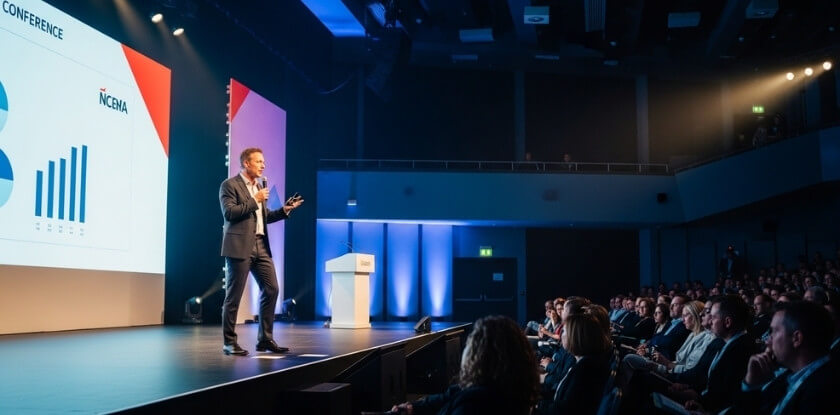
A keynote speaker sets the intellectual and emotional tone for a conference. Their job is to frame what the gathering is about and give attendees a shared perspective before sessions, workshops, or panels pull people in different directions.
Role and Purpose
The keynote address is a concentrated presentation built around one argument or theme. It is not a lecture in the academic sense. It is closer to a well-crafted narrative meant to energise the room, spark curiosity, or challenge how attendees think about a problem.
That takes a different skill set from teaching or presenting research. A keynote is less about transferring information and more about moving an audience, and a good one gives people something to carry through the rest of the event.
In the MICE industry, the keynote often ties to the organiser’s goals. A corporate planner might use one to reinforce a leadership initiative, introduce a cultural shift, or get a large room excited about the days ahead. At academic and professional conferences, the keynote more often presents a significant body of work or a view of where the field is heading.
When They Speak (Timing in the Event)
Keynotes are usually scheduled at the opening of a conference, which is prime real estate on the schedule, and some events also add a closing keynote to end on a high note or bring things to a thematic conclusion. Some also place a keynote at a lunch or dinner.
The two ends of the programme ask for different things. One speaker-agency guide describes an opening keynote as launching the event around its themes and building early energy, and a closing keynote as pulling the sessions together and giving attendees ways to apply what they heard. If you are briefing or accepting the slot, ask which of the two jobs it is.
A keynote usually does not appear in the middle of the day, tucked between concurrent sessions. The placement is deliberate: the audience is at full capacity, nobody has split off to breakout tracks yet, and the speaker does not have to compete for attention.
Tone and Style
Keynotes lean towards the inspirational and conversational. The speaker is usually personable, often tells stories, and uses data to illustrate a point rather than to prove a hypothesis. A keynote speaker holds the stage alone, so the format rewards presence as much as expertise. That is different from an invited speaker presenting research findings, or a panel speaker fielding questions alongside peers.
The setting adds to this. The general session hall, typically a main auditorium or large plenary room, amplifies the effect. It usually comes with higher production: lighting, a large screen, live audio. That signals to attendees that the talk matters before the speaker says a word.
What Is a Plenary Speaker?
A plenary speaker presents to the full conference attendance, every registered delegate in the same room at the same time, with no competing sessions alongside. For a planner that matters because it shapes room logistics, AV requirements, and the weight given to that slot in the schedule.

Role and Purpose
The plenary speaker addresses the whole conference body on a topic that applies to everyone present. Plenary speakers also carry a responsibility to bridge diverse audience segments rather than speak to one sub-group. Unlike a panel speaker or an invited speaker presenting to one corner of the audience in a breakout room, a plenary speaker has to connect across job titles, experience levels, and backgrounds at once. That is a harder brief than it looks.
In practice, a plenary speaker is often a senior figure in the field, a researcher presenting findings with broad implications, or an expert whose work cuts across the conference’s tracks. The session itself tells attendees that this content is relevant to all of them.
General Session vs Plenary Session
At many conferences these two terms describe the same thing: a session where the full audience convenes together. Where a difference exists, it is organisational rather than substantive.
“General session” is the more common usage in corporate events and trade shows. “Plenary session” is the usual term in academic conferences, scientific congresses, and formal MICE events. A medical congress or international policy conference will say “plenary”, while a sales kickoff or industry expo will more likely say “general session”. The speaker’s role is the same either way: address everyone, with no parallel tracks.
Tone and Style
The audience at a plenary is captive in the fullest sense. They did not choose the room based on a topic interest; they are there because the session is on the schedule. That pushes the plenary speaker towards a tone that is authoritative but accessible. Going too technical or too niche loses the room quickly, because no self-selection filter protects the speaker.
The style is usually more formal than a keynote and more structured than a guest speaker slot. Dense data works when it is well staged, and personal narrative works when it carries a professional point. Content calibrated for one sub-audience does not.
Key Differences Between Plenary and Keynote Speakers
The two roles overlap enough that experienced event professionals confuse them, but the differences are practical and affect how you build a schedule, brief a speaker, and set expectations.
Purpose and Function
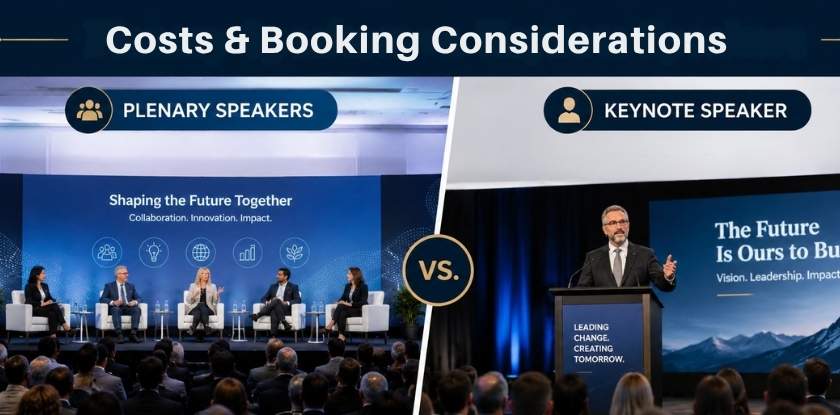
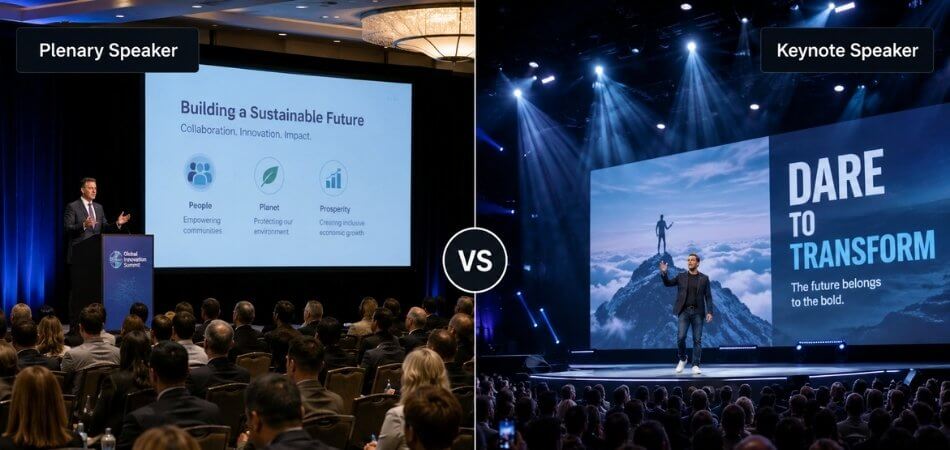
A keynote speaker opens or closes a conference with a narrative arc: inspiration, provocation, or a unifying theme the rest of the programme orbits around. An opening keynote can also act as a signal to the audience to shift from travel mode into engagement mode.
A plenary speaker has a different brief. The goal is usually informational or substantive, such as new research findings, a policy update, or a state-of-the-field analysis. The audience is still all in one room, but the expectation is depth over inspiration.
Timing in the Program
A keynote typically anchors the opening or closing of a conference. An opening keynote launches the programme, and a closing keynote sends people home with something to act on.
Plenary sessions can appear at several points, including mid-conference. They are often placed between blocks of concurrent sessions to bring the full group back together. That flexibility is one reason the roles get conflated: both happen in front of everyone, but they serve different programming needs.
Length of the Talk
There is no standard length, and neither role has a fixed one. Programmes differ, and some count questions inside the slot while others add them on top. Three published programmes show the spread, and GEI 2025 states that questions must fit inside the allotted time:
| Conference programme | Plenary | Keynote or invited |
| GEI 2025 (Italy) | 45 minutes | Keynote: 30 minutes |
| Inter-Academia 2023 | 40 minutes (35 talk, 5 questions) | Invited talk: 30 minutes (25 talk, 5 questions); no separate keynote category |
| ICPM-6 (Slovakia) | 45 minutes (35 talk, 10 questions) | Invited lecture: 30 minutes (25 talk, 5 questions) |
Treat these as examples only. A speaker should always ask the organiser for the exact slot and whether discussion time is included before preparing. A programme that gives keynotes 30 minutes and plenaries 45 shows that even the ranking of the two labels is not universal.
Audience Relationship
A keynote speaker performs for the room. The dynamic is somewhat theatrical: building energy, delivering a crafted arc, often working without slides or with highly visual ones. The speaker has to carry the room emotionally, not just intellectually.
A plenary speaker presents to the room. The relationship is closer to peer and expert. The audience might take notes, ask questions in a structured Q&A, or engage with data being shared. A panel inside a plenary session is more collaborative still. The tone is professional and substantive rather than performative.
An invited speaker or guest speaker in a plenary slot is usually there because of specific expertise or authority, so their credibility does much of the work before they begin.
Replaceability in the Program
From a planner’s side, the roles also differ in how easily one can be swapped. A keynote is often the centrepiece booking, the name on the promotional materials, so losing that speaker two weeks out is a crisis. A plenary speaker can more often be replaced by another expert on the same topic without the programme collapsing. That is not a comment on importance. The plenary session is built around a subject, while a keynote is built around a particular person and the way they deliver.
How MICE Professionals Distinguish Them in Practice
In practice the distinction usually shows up in the brief. A keynote brief focuses on tone, narrative arc, and the outcome the planner wants the audience to leave with. A plenary brief focuses on content scope, time allocation, and what the audience should understand by the end.
This matters in a speaker contract or run-of-show document, because the deliverables and production needs differ. A keynote often needs more AV set-up time, rehearsal, and staging coordination than a standard plenary slot. The table adds the planning factors not covered in the first comparison.
| Planning factor | Keynote Speaker | Plenary Speaker |
| Speaker selection driver | Persona and delivery style | Subject expertise |
| Replaceability | Low | Moderate |
| Brief focuses on | Tone, arc, emotional outcome | Content scope, time, takeaways |
| Production needs | Often more rehearsal and staging | Standard plenary AV |
Can the Same Person Be Both?
Yes. Nothing prevents it, and a planner can book one speaker for both. Every keynote address can be delivered in a plenary session, but not every plenary session features a keynote: it may include a panel, an invited speaker, or a general session presentation instead. A planner might book one speaker to open with a keynote address and later have the same person chair or present in a plenary session. The roles are not mutually exclusive; they describe different functions at different points in the schedule.
When It Works
The common case is a speaker who delivers the opening keynote to set the tone, and a plenary session on day two where all attendees reconvene around a central theme. If the same speaker has the right expertise, there is nothing stopping the planner from inviting them back.
When It Gets Complicated
The challenge is purpose. A keynote is built around a speaker’s core message, usually something refined and road-tested. A plenary, especially in a formal structure, is designed to bring the group together around a shared agenda item: a panel discussion, a policy or strategic update, or an invited speaker presenting research.
If you ask the same person to do both, the plenary can feel like a repeat. Attendees who sat through the opening keynote do not want a condensed version two days later. The fix is straightforward: the content has to be genuinely different. The keynote can be inspirational and narrative-driven, while the plenary appearance is shaped around whatever the group needs to address at that point in the conference.
What This Means for Event Planners
Be explicit in the brief. State that the opening keynote and the plenary session are two separate deliverables with two separate purposes. A clear brief also stops a speaker from delivering the same material twice.
A panel or invited-speaker role inside a plenary is another way to bring a keynote speaker back later without the overlap problem, since they contribute to a structured discussion rather than presenting their own material again.
Other Speaker Types You’ll See at Conferences
Not every speaker fits the plenary or keynote mould. Knowing the other roles helps you set expectations, whether you are building the programme or attending as a participant.
Panel Speaker
A panel speaker is one of several participants in a structured, usually moderated discussion on a specific topic. They respond to questions, react to other panelists, and add a particular perspective, rather than giving a prepared solo address. Panels commonly run as concurrent sessions alongside other breakouts.
Guest Speaker
A guest speaker is usually brought in from outside the organising body to add an external viewpoint, such as a practitioner, researcher, or subject expert who is not a professional speaker by trade. The term is informal and can describe almost anyone outside the core lineup. In MICE settings it often appears in smaller breakouts or hosted dinners rather than on the main stage.
Invited Speaker
An invited speaker has been specifically recruited by the organising committee, usually for their credentials or standing in a field. Keynote speakers are often contracted through a speakers bureau, whereas an invited speaker is more often an academic, industry leader, or researcher asked to present their own work. The difference from a guest speaker is subtle, but “invited” carries a more formal, curated meaning: the committee sought this person out rather than filling a slot.
From our experience at MS International: For most applicants, the route to our in-person conferences in the Greater Toronto Area is the presenting-author track: submit work for review and register after acceptance. Keynote and invited-speaker roles are arranged separately with the organizing team and are not obtained by buying an author ticket. The moderator introduces each speaker. Speakers cover their own travel, accommodation, visa, transportation and personal expenses, and participation creates no entitlement to an honorarium, speaker fee or travel reimbursement unless MS International has agreed otherwise in writing. Presentation lengths may vary, so the speaker confirmation and final programme are the official sources for your slot.
FAQ
Programs often use plenary and keynote loosely, so it helps to sort out where the two overlap, who assigns each format, how panel speakers fit and opening versus closing keynotes.
Is a plenary speaker always a keynote speaker?
No. A plenary speaker presents to the full audience during a plenary session, which might be a panel, a debate, or a formal talk. A keynote is a solo talk that sets the theme. Some events use the two terms interchangeably, so check the programme.
Can a conference have both plenary sessions and keynote sessions?
Yes, and many do. A large conference might open with a keynote address, then hold a plenary session later with several speakers or a facilitated discussion. They serve different structural purposes and coexist in one programme.
Who decides which speakers go into which format?
The organiser and the programme committee decide. They choose which topics deserve a full-audience plenary session, which suit a concurrent session, and which warrant a standalone keynote slot.
Does the title matter to the speaker?
Yes, it can. The title shapes preparation and audience expectation. A keynote is usually calibrated for inspiration and theme-setting, while a plenary talk may be more formal or data-heavy. Ask the organiser what the label means at that event.
What’s the difference between an opening keynote and a closing keynote?
Timing and purpose. The opening keynote sets the tone and orients attendees around the central theme, while the closing keynote pulls the sessions together and points to next steps. Neither is automatically a plenary session, though either can be scheduled as one.
Are concurrent sessions ever called plenary sessions?
Not normally. A plenary session brings the whole conference into one room, whereas concurrent sessions run in parallel tracks and split the audience. If the programme runs other sessions at the same time, the slot is not a plenary.
Is a panel speaker the same as a plenary speaker?
Not exactly. A panel speaker is one voice in a moderated discussion. If the panel takes place during a plenary session, those panelists speak in a plenary setting, but “panel speaker” describes the format of their role, not the session type.
What should attendees expect from a general session versus a plenary session?
Usually the same thing: an all-hands gathering with no concurrent sessions competing. Corporate events tend to say “general session” and academic or association conferences “plenary session”, but the structure is the same.
How long is a plenary or keynote talk?
It varies by conference. Three published programmes give plenary slots of 40 to 45 minutes and keynote or invited slots of 30 minutes, with questions inside that time. Always ask the organiser for the exact slot.
Final Thoughts
If you have been using “keynote speaker” and “plenary speaker” interchangeably, you are in good company, and the overlap trips up even seasoned planners. The practical rule is this: “plenary” describes the session structure, a whole-audience block with no parallel tracks, and “keynote” describes a framing talk, usually at the opening or close. The same room and sometimes the same person can serve both, but the job description depends on how the schedule is built.
When you book talent or design a programme, decide which role you are filling and write the brief for that role. When you are the speaker, ask what the label means at that particular event.