
Flights, hotels, restaurants and a few free hours in a new city: a conference trip can look a lot like a holiday. Immigration officers and statisticians still draw a clear line between the two.
Quick answer: No, not as a visa category. Attending a conference is business, academic or professional travel, because the event is the reason you travel. Tourism statistics do count it as a trip with a business purpose, which is a separate question. Sightseeing before or after is allowed in many cases, but only if your visa category covers it. Tourist visas often do not clearly allow formal conference participation, so check the destination’s official rules first.
Last verified against official sources: October 2026.
Is Conference Attendance Tourism or Business Travel?
Conference attendance is business, academic or professional travel, not tourism. The deciding factor is why you travel and what you plan to do after arrival, not how attractive the destination is.
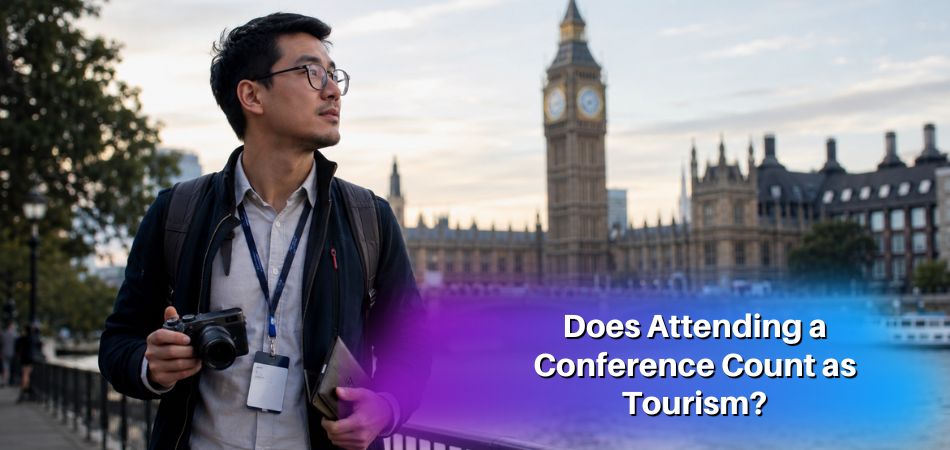
If your main purpose is a conference, seminar, trade show, workshop, academic meeting, training event or professional summit, immigration authorities may treat the trip as business visitor travel or another permitted professional activity. If the main purpose is sightseeing, relaxation or a holiday, it is tourism. The wrong category can cause problems at the application stage or at the border.
A tourist travels to relax, visit landmarks, enjoy culture or spend personal vacation time. A conference traveler may attend sessions, present research, meet professionals, visit exhibition booths or represent an employer, university or association. The distinction affects your visa type, entry documents, border interview, itinerary and supporting paperwork. Sightseeing days can be added to a conference trip, which is fine as long as the application and travel explanation still reflect the real reason for entry.
Depending on the destination, a conference traveler may use one of these routes:
- A business visitor visa
- A conference visa or other event-based category
- A standard or general visitor route that permits business activities
- An electronic travel authorization for permitted business purposes
- Visa-free entry, only if conference activity is permitted
How Statistics Treat It
UN Tourism, the United Nations body for tourism, counts business trips inside tourism statistics. Its glossary defines the “main purpose” of a trip as the purpose without which the trip would not have taken place, and it places attending meetings, conferences or congresses, trade fairs and exhibitions under “business and professional” purposes, not “leisure”. So a conference trip can be tourism in economic data (hotel nights, flights) and still be business travel for visa purposes. That is why a hotel owner and an immigration officer can both be right. The same glossary adds that business tourism can be combined with other tourism types during one trip, and industry writers group conference trips under “business tourism” or MICE (meetings, incentives, conventions, exhibitions). The glossary was read in October 2026.
Why Conferences Are Classified as Professional Travel
A conference is an organized event with a topic, venue, schedule and audience. People attend to learn, exchange ideas, build contacts, present work or discuss developments in their field. Typical activities include:
- Attending keynote sessions and panel discussions
- Presenting research or a poster
- Joining workshops
- Meeting professional contacts and industry networking
- Visiting exhibition booths
- Representing a university, employer or association
Even when you earn no salary, the activity is still professional. Immigration rules usually look at the nature of the activity, not only at whether payment is involved.
Quick Decision Guide for Conference Travelers
Apply the main purpose test: ask what made the trip necessary. If the answer is the conference, treat the trip as conference-related travel first. Officers compare your stated purpose with your documents, so a traveler holding an event invitation and a registration receipt should not describe the trip as simple tourism.
| Question | What It Suggests |
| Are you traveling mainly because of an event date? | Conference or business travel |
| Are you registered as a delegate, speaker, presenter, exhibitor or listener? | Conference travel |
| Is your employer, university, sponsor or organization involved? | Professional or academic purpose |
| Are you attending meetings, sessions or workshops? | Business or professional activity |
| Would you still take the trip if the conference were cancelled? | If no, the conference is likely the main purpose |
| Is the trip mainly for attractions, rest or vacation? | Tourism |
A useful way to think about it: tourism explains where you want to go; conference travel explains what you are scheduled to do. If an event program, registration or presentation time controls your calendar, the trip is not mainly leisure. Unpaid attendance does not change that, because visa rules usually focus on the type of activity rather than income alone.
Conference Travel vs. Tourism: Key Differences
The two differ in purpose, and everything else follows from it. Both involve hotels, flights and local transport, but a conference traveler follows an event schedule while a tourist follows a personal plan.
| Point of Difference | Conference Travel | Tourism |
| Main purpose | Professional, academic, business or industry event | Leisure, vacation, sightseeing or personal enjoyment |
| Typical activities | Sessions, workshops, meetings, presentations, networking | Tours, attractions, shopping, relaxation, cultural visits |
| Common documents | Invitation letter, registration proof, event agenda, support letter | Hotel bookings, itinerary, return ticket, financial proof |
| Visa focus | Whether event participation is permitted | Whether temporary leisure travel is permitted |
| Trip schedule | Organized around event dates and venue | Organized around personal travel plans |
| Main concern | Correct entry category for professional activity | Temporary stay for leisure and return home |
Main Travel Purpose
The main purpose decides how the trip should be described. A tourist may pick dates around holidays or attractions, while a conference traveler picks dates around the event program, so the dates, hotel location and documents all point to the conference.
Visa Category and Allowed Activities
The right visa depends on what the destination allows. Some visitor visas include permitted business activities, while others separate business and tourism more strictly. Check whether the category covers your exact activity, especially if you will speak, present, exhibit, train, sell or receive payment.
Documents and Proof
Conference travel relies on event-based proof such as an invitation letter, registration confirmation, event agenda, speaker acceptance, sponsor letter or employer letter. These show that the trip has a professional or academic purpose.
What Counts as Conference Travel?
Conference travel means traveling mainly to attend or take part in an organized event connected to business, education, research, industry or professional development. The event does not need to be large. A small workshop counts if it is the real purpose of the trip, and participation can be passive (a delegate or listener) or active (a presenter, panelist or exhibitor).
Academic Conferences
Academic conferences bring together researchers, students, professors and subject experts for lectures, paper presentations and poster sessions. Traveling to present a study or represent a university is academic or professional travel, not tourism.
Business Conferences and Corporate Events
These cover industries, markets, partnerships, leadership, sales and finance, and may include corporate meetings and client discussions. A person attending is usually entering for a business visitor purpose, even without taking a local job.
Trade Shows and Exhibitions
Buyers, vendors, exhibitors and company representatives meet suppliers, compare products and watch demonstrations. This is business-related travel, although selling directly is often restricted (see the country examples below).
Workshops, Training and Seminars
Technical workshops, healthcare seminars, engineering forums, digital marketing sessions and certification events can all count. The event name matters less than the purpose behind the trip.
Networking Events
Receptions, business matchmaking events, association meetings, startup forums and investor sessions count too when they are tied to business or academic goals.
Why Attending a Conference Is Usually Not Treated as Tourism
Conference attendance is not treated as tourism because the activity is professional, academic or business-related. That stays true even when the conference is held in a city famous for tourism. Photos, local restaurants and a museum visit after the event do not turn the whole trip into tourism, because officers look at the main activity, not every small one.

Conferences Involve Professional or Academic Participation
Joining sessions, meeting experts, presenting work and building professional relationships all connect to career development, education, industry knowledge or institutional representation. That separates them from visiting museums, relaxing at a resort or taking city tours.
Immigration Authorities Look at the Main Reason for Entry
Visa officers and border officials may ask why you are entering the country. “To attend a conference” points to business or professional travel, so your explanation must match your documents. An invitation letter or speaker confirmation raises questions if your application says tourism only.
Which Visa Do You Need to Attend a Conference?
The visa you need depends on your nationality, destination, event role, length of stay and whether the activity is paid. There is no single global rule. A general attendee may need different documents from a speaker, trainer or exhibitor, and two people at the same conference may need different permissions if they hold different passports.
Business Visitor Visa or Similar Category
Many countries place conference attendance under a business visitor category for short visits such as meetings, conventions, seminars and trade events. It does not usually allow regular employment in the destination country.
Conference Visa Where Available
Some countries offer a specific conference or event-based category, often for official events and major international gatherings. Documents may include a conference invitation, registration proof, event schedule, accommodation details, financial proof and return travel evidence. The Consulate General of India in Dubai, for example, describes a conference visa for conferences, seminars and workshops, asks for an invitation letter from the organizers in India, and says the requested duration may include days for tourism or sightseeing. Other consulates may set different rules.
Visitor Visa With Permitted Business Activities
Some destinations use one general visitor visa that covers tourism and limited business activities. Conference attendance may be allowed if it falls within the permitted list, but confirm that your specific role, such as speaking or exhibiting, is covered.
Tourist Visa Limitations
A tourist visa is usually designed for leisure. It may allow sightseeing, holiday travel, family visits or cultural activities, but it may not allow meetings, presentations, trade fairs, training or formal event participation. It may not be enough if you will present research, attend for an employer, meet clients, exhibit or receive payment. Some countries allow limited business activity under a visitor route, but never assume it.
Country-Specific Examples of Conference Travel Rules
Countries label similar activities differently, so the same conference can need a different permission depending on where you go. The summary below is based on official guidance; confirm the current rule on the government site before you apply.
| Destination | Conference attendance | Key limit |
| Canada | Business visitor; visitor visa or eTA depending on nationality | Stay under 6 months; no entry to the Canadian labour market |
| United States | B-1 business visitor, or Visa Waiver Program for eligible nationalities | B-1 attendee receives no salary from a US source; B-2 is for tourism |
| United Kingdom | Standard Visitor (business activities) | Up to 6 months; no work beyond the permitted activities |
| Schengen area | Short-stay visa for visa-required nationals | Up to 90 days in any 180-day period |
Canada
IRCC describes business visitors as people who come for a few days or weeks to attend meetings, conferences or events. You must plan to stay less than 6 months, not enter the Canadian labour market, and have your main place of business and source of income outside Canada. Depending on nationality you need a visitor visa or an eTA, and the eTA fee on the IRCC site is CAN$7. If the event is registered with IRCC, the organizer gives you an event code to enter on a visa application. At the border, keep these in your hand, not packed in your suitcase: your passport, your visa if one applies, a letter of invitation or CBSA recognition letter, your host’s 24-hour contact details and proof of funds. Longer stays or work in Canada may need a work permit.
United States
The US Department of State lists attending a scientific, educational, professional or business convention or conference among the activities allowed on a B-1 business visitor visa, and a B-1 conference attendee must not receive salary or income from a US source. Tourism and holiday travel belong to the B-2 category, and the two are often issued together as B-1/B-2. Travelers from Visa Waiver Program countries can use that route for similar business purposes for up to 90 days. Study for credit and employment are not permitted on either route. Check the 2026 changes for your nationality before you apply: the State Department made its B-1/B-2 visa bond program permanent from 3 August 2026, with bond amounts of $10,000, $15,000 or $20,000 for applicants from designated countries. A presidential proclamation (Proclamation 10998) has also partially suspended B-1/B-2 visas for nationals of 19 countries since 1 January 2026, and interview waivers have been narrower since 1 October 2025.
United Kingdom
GOV.UK says a Standard Visitor on business can join conferences, meetings, seminars and interviews, negotiate and sign contracts, and attend trade fairs to promote a business (but not sell). The stay can last up to 6 months. You may not do other paid or unpaid work, and paid speaking is allowed only at certain permitted paid engagements, so paid speakers should check the list first.
Schengen Area
A short-stay Schengen visa allows a visit of up to 90 days in any 180-day period, and the application needs documents that support your stated purpose, such as a conference registration and an invitation. If you visit several Schengen countries, you generally apply to the one that is your main destination, which is the country hosting the conference when it is the main purpose of the trip. Check the embassy of that country, because requirements differ between member states.
Other Countries
Others, such as Japan, have their own temporary-stay rules that depend on nationality, activity and length of stay. Paid activity, longer stays or special event roles may need different handling, so check each destination separately.
Can You Combine Tourism With Conference Travel?
Yes, conference travel can often be combined with tourism, but declare the conference as the main purpose when it is the reason for the trip. Sightseeing does not erase the professional purpose, provided your visa category allows the full plan. Your itinerary should show the conference dates clearly, with leisure days placed before or after the event.
When Sightseeing May Be Allowed
You might arrive one day early, attend a three-day event and then spend two days at attractions. This is easiest to explain when the leisure portion is short and the total stay is reasonable. If you plan sightseeing, mention it as an extra activity, not the reason for entry.
How to Structure a Mixed Itinerary
A simple mixed itinerary might look like this:
| Trip Period | Purpose |
| Arrival day | Travel, hotel check-in, event preparation |
| Conference days | Sessions, workshops, meetings, networking |
| Extra days | Sightseeing or personal leisure |
| Final day | Return or onward travel |
This structure separates the professional part from the leisure part.
Risks of Using the Wrong Visa
Using a tourist visa for a conference can lead to visa refusal, border questioning, denial of entry, a shortened stay or future immigration concerns. The risk rises when your documents clearly show a conference purpose but your application says tourism only.
Documents for a Mixed Trip
Carry the core conference documents listed below, plus a short tourism itinerary for the extra days. Your documents should tell one consistent story.
What Immigration Officers May Ask Conference Travelers
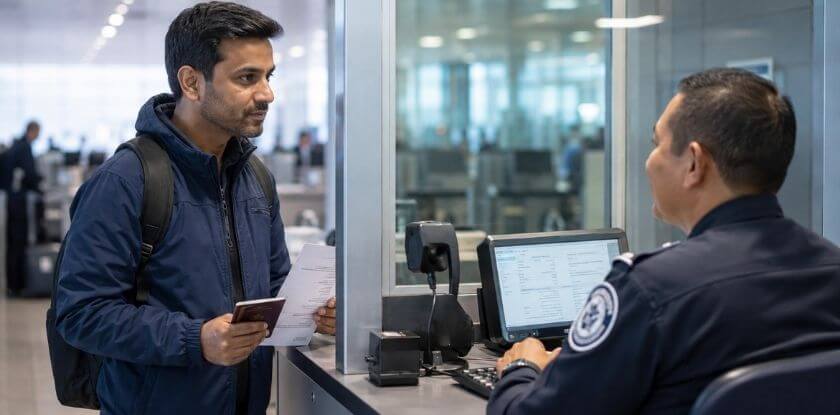
Officers may ask about your purpose, event details, stay length, funding, accommodation and return plans. They want to confirm that the visit is genuine, temporary and allowed under your entry category. You do not need long explanations, only answers that match your documents.
Purpose of Visit
Be ready to say the conference name, city, date, topic and your role as attendee, speaker, presenter, exhibitor or delegate. Do not describe the trip only as tourism if the conference is the main reason.
Conference Details
Officers may ask for the venue, organizer and event dates. Your registration confirmation and invitation letter should support your answer.
Accommodation and Return Plans
You may be asked where you will stay and when you will leave. Keep hotel bookings and return tickets easy to reach, and show how any sightseeing fits around the event.
Funding and Sponsorship
Funding may come from personal savings, an employer, a university, a sponsor or a conference grant. If another party is paying, carry a support letter.
Your Role at the Event
A general attendee may face fewer questions than a paid speaker, trainer, exhibitor or company representative. If your role is active, prepare documents that explain what you will do and whether payment is involved.
Documents Commonly Needed for Conference Travel
Conference travelers usually need documents that prove the event is real, the stay is temporary and the purpose matches the visa category. Exact requirements vary by country. Keep digital and printed copies, which also helps if a border officer asks for them.
Core Documents
Prepare the following before applying or traveling:
- Passport
- Visa or travel authorization, where required
- Conference invitation letter
- Registration confirmation
- Event agenda or schedule
- Hotel booking
- Return or onward ticket
- Financial proof
Invitation Letter
A conference invitation letter should ideally include your name, event name, date, venue, organizer details and your role. It helps prove that the trip is connected to a real event.
Registration Confirmation
Registration proof shows that you are officially linked to the conference. It may be an email confirmation, receipt, ticket, delegate record or organizer-issued document.
Event Schedule
The agenda explains why you are staying during a specific period and what you will attend.
Employer, University or Sponsor Letter
If your workplace, school, research institution or sponsor is connected to the trip, a support letter can explain your reason for attending and who covers costs.
Extra Documents for Speakers or Exhibitors
Presenters, trainers and exhibitors should carry extra proof such as abstract acceptance, speaker confirmation, booth confirmation or payment details. Payment rules can affect the visa category, so check them carefully.
What Conferences Usually Look Like for Travelers
Conferences are structured: sessions, expert talks, workshops, networking and exhibition areas fill most of the day. You may have little free time until the event ends. The experience can still be enjoyable in a major city, but the schedule is shaped by professional commitments, which is one reason conference travel is treated differently from tourism.

Keynote Sessions and Presentations
Large conferences often open with keynote talks from industry leaders, researchers or subject experts about major themes and trends. Academic events add paper presentations and poster sessions, while business events may include market updates.
Workshops and Panel Discussions
Workshops are practical and skill-focused. Panels bring several speakers together to discuss a topic or compare views.
Networking and Social Programs
Coffee breaks, receptions, lunches, dinners and association meetings may feel relaxed, but they belong to the conference purpose. Attendees exchange contacts, discuss projects and explore collaborations.
Exhibition Areas
Booths from companies, universities, publishers, sponsors or service providers let visitors collect information, compare products and meet representatives. Exhibitions are common in technology, healthcare, education, engineering, finance and marketing.
Planning Tips for Conference Travelers
Conference days can be long, so plan ahead:
- Review the agenda and choose priority sessions
- Book accommodation near the venue
- Save the event location and organizer contacts
- Leave time for registration and security checks
- Plan sightseeing outside conference hours
Why Checking Embassy Guidance Before Traveling Is Essential
Official embassy or immigration guidance gives the final answer, because conference travel rules differ by country and can change. General articles like this one help you ask the right questions; the authority that controls entry decides. Checking early leaves time to prepare documents and fix mistakes.

Rules Vary by Destination and Nationality
One person may qualify for visa-free entry, another may need an electronic authorization, and another a full visa, all for the same conference.
Event Role Can Change Requirements
A regular attendee, keynote speaker, paid trainer, exhibitor, student presenter and company representative may not be treated the same way. Speaking, payment, selling or hands-on work can change the rules.
Official Sources Reduce Mistakes
Embassy and immigration websites can confirm:
- Whether you need a visa
- Which category fits conference attendance
- What documents are required
- Whether tourism can be added and whether payment is allowed
- How long you can stay and how early to apply
Checking early protects your flight, hotel, registration fee and schedule.
Does the Purpose of Travel Matter for Conferences?
Yes, the purpose of travel decides how the trip is classified. Visa officers compare your stated purpose with your documents, funding, itinerary and role at the event. If both conference and leisure are part of the trip, say honestly which one is the main reason for entering the country and which is secondary.

How Purpose Affects Visa Decisions
A strong conference application usually shows:
- A real event
- A clear connection between you and the event
- Reasonable travel dates
- Accommodation plans
- Funds for the stay
- A reason to return home
- Documents that match your explanation
Inconsistency causes concern. A tourist application that arrives with a conference invitation, for example, will probably lead to questions.
How to Explain a Mixed-Purpose Trip
Keep the explanation short. For example:
“I am attending a three-day international conference in [City]. After it ends, I will spend two days sightseeing before returning to [Home Country] on [Date].”
This states the main purpose, acknowledges the leisure portion and shows that the stay is temporary.
Common Mistakes to Avoid When Traveling for a Conference
Most problems come from choosing the wrong visa category, hiding the real purpose or traveling without proof. When your visa type, documents and answers match, officials can assess the trip easily.
Applying for the Wrong Visa
Do not assume tourism is fine because the conference is short or unpaid. If the event is the main reason for travel, use a category that allows it.
Calling the Trip Tourism When It Is Not
If your itinerary, hotel, invitation and dates all point to a conference, say so. Mislabeling it as tourism creates confusion.
Forgetting Event Documents
A verbal explanation may not be enough at the airport or border, so carry proof of registration, invitation, schedule and accommodation.
Assuming All Countries Have the Same Rules
A rule that works in one country may not work in another. Check each destination separately, especially on multi-country trips.
Ignoring Speaker, Payment or Exhibitor Rules
Speakers, trainers, exhibitors and paid guests may need additional permission, so check whether payment or active participation changes the requirement.
Waiting Too Long
Conference dates are fixed. Start early so you have time to gather letters, prepare financial proof, book appointments and correct mistakes.
From our experience at MS International: our events are held in person in the Greater Toronto Area, and a registered attendee (listener) is a valid category, so you do not need to present a paper to qualify for an invitation letter. Once a registration is paid and the payment clears, we issue the letter within 3 to 5 business days. It supports a visa application but does not guarantee approval or entry. Registration fees are non-refundable and non-transferable, so confirm your plans before you pay.
FAQ: Conference Travel and Tourism
Whether a conference trip counts as tourism shapes your visa choice, so attention turns to tourist versus business status, family coming along, sightseeing afterwards and online events.
Can I attend a conference on a tourist visa?
Not safely. The US State Department lists conference attendance under the B-1 business visa, while B-2 is for tourism, and other countries separate the two as well. Some visitor visas cover limited business activity, so check your destination’s official rules before applying.
Do tourism statistics count conference trips?
Yes, as business trips. The UN Tourism glossary classes attending meetings, conferences or congresses under the “business and professional” purpose of a tourism trip. That is a statistical label, not a visa category.
Is a conference considered business travel?
Yes, conference attendance is usually treated as business, academic or professional travel because the purpose involves learning, networking, presenting or industry participation.
Can my family travel with me for tourism?
Yes, family members may travel with you, but their purpose may differ. If they sightsee while you attend, they may need tourist or visitor permission based on their own plans.
Do I need an invitation letter?
Many conference travelers need an invitation letter or registration proof. It confirms the event, date, location, organizer and your role.
Does an invitation letter guarantee a visa?
No, an invitation letter is supporting evidence only. The immigration authority makes the decision and also looks at your funds, travel history and ties to home.
Can students attend academic conferences on a student visa?
Sometimes, but it depends on the country and visa conditions. Check embassy rules and ask your institution if needed.
What happens if I use the wrong visa?
Using the wrong visa can lead to refusal, extra questioning, denied entry or future visa issues. The risk is higher if officials believe the purpose was misrepresented.
Can I switch from tourist to business status after arrival?
Usually not easily. In many countries you must leave and apply for the right category from abroad, and a few allow in-country changes case by case. Apply under the correct category before you travel, and ask the immigration authority if your plans change.
Do online conferences require a visa?
Online conferences normally do not require a travel visa because you do not enter another country. Normal entry rules apply if you travel for an in-person event.
Can I go sightseeing after the conference?
Often yes, if your visa allows it. Keep the conference as the declared main purpose if that is why you traveled, and keep tourism days reasonable and documented.
Is presenting different from attending?
Yes. Presenting, speaking, training, exhibiting or receiving payment can create extra visa questions, so check the rules before applying.
Final Takeaway: Conference Travel Is Usually Business Travel, Not Tourism
Attending a conference does not count as tourism, because the main purpose is professional, academic or business-related. You can often enjoy the destination during the same trip, but your visa application and explanation must match the real purpose.
Before booking, read the official guidance of the country you are visiting, prepare your invitation and registration documents, and make sure your application, itinerary and answers agree.
Disclaimer: this article is general information, not legal or immigration advice. Immigration rules and fees change, and the final decision always belongs to the government of the country you are entering. Confirm your situation with the official government website, the embassy or a licensed immigration professional.