
Choosing what to wear at a leadership conference is harder than dressing for a normal workday. One day can include a keynote, a workshop, a coffee-break chat with a senior manager and an evening reception, and your outfit has to survive all of it.
Quick answer: For most leadership conferences, wear business casual with a polished finish: a blazer with dress pants or a skirt, a button-down shirt or blouse, and comfortable closed shoes. Go business formal for executive, award or board-level events, and smart casual only for creative, startup or student-led ones. When no dress code is listed, dress one step above casual and add a layer. If the organizer publishes a required code, follow it.
The Best Outfit for a Leadership Conference
The best outfit is usually business casual with a polished finish, unless the event clearly asks for business formal. Aim to look prepared and approachable while staying comfortable for a long day. The exact choice depends on the dress code, venue, weather, schedule and your role as an attendee, speaker, student, sponsor or organizer.
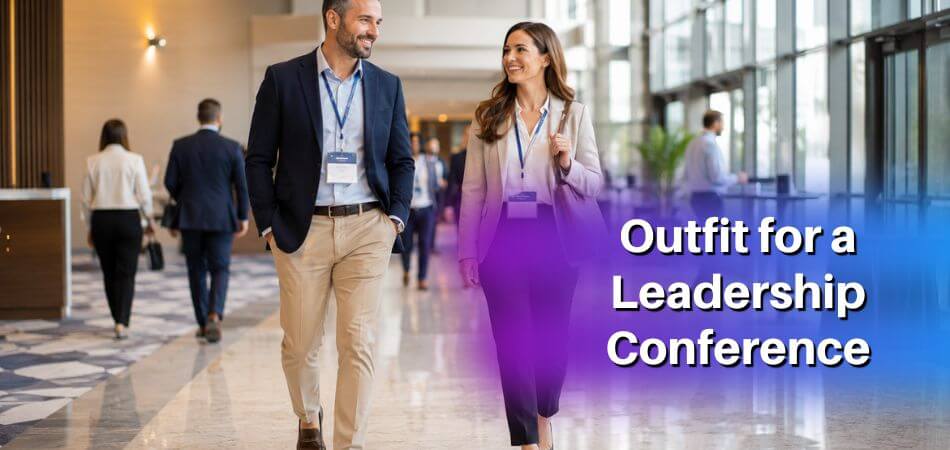
A strong conference outfit usually looks like this:
| Attendee | Recommended Outfit |
| Men | Dress shirt, blazer, chinos or dress pants, loafers or oxfords |
| Women | Blouse, blazer or cardigan, dress pants, skirt, professional dress, flats or low heels |
| Students or young professionals | Neat shirt or blouse, tailored pants, simple shoes, light layers |
| Speakers or presenters | Business formal or business casual with a structured blazer |
| Creative or startup attendees | Smart casual with polished shoes and one tasteful statement piece |
| Exhibitors or sponsors | Business casual or business formal, shoes for hours of standing, pockets or a bag that keeps your hands free |
When no dress code is listed, choose business casual. It suits sessions, workshops, networking breaks and evening receptions. If you are unsure, dress one step more polished than casual, because slightly overdressed usually reads better than underdressed.
Why Your Leadership Conference Outfit Matters
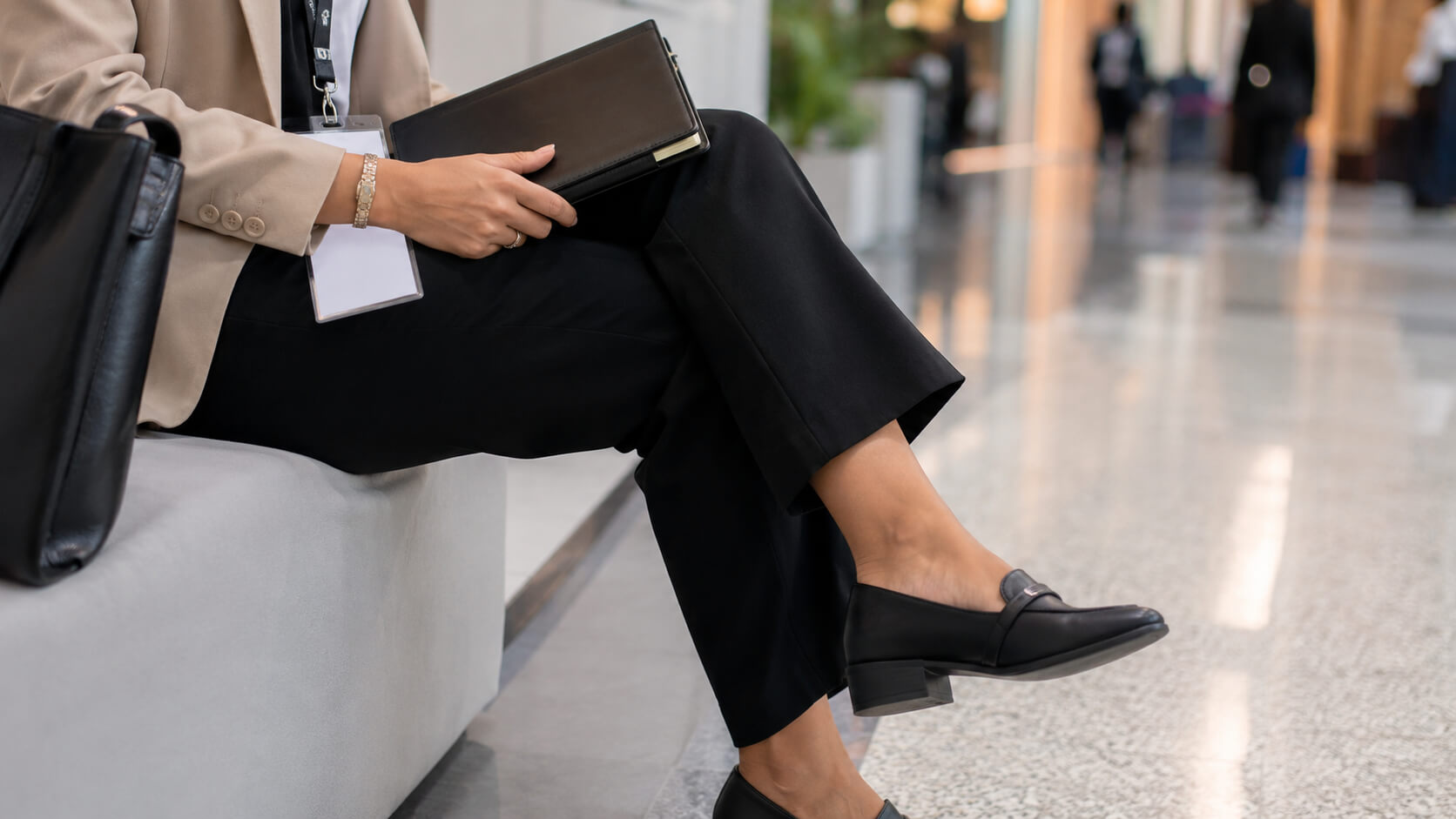
Your outfit shapes how others read your professionalism, confidence and readiness to engage. Conferences are learning spaces, but people also form quick impressions during introductions and group discussions. A good outfit does not need to be expensive or formal. It should be clean, well fitted, right for the event and comfortable all day.
Professional credibility
Leadership conferences bring together executives, managers, entrepreneurs, speakers, recruiters, students and industry professionals. Dressing appropriately helps you match the tone of the room, and a polished look suggests preparation and respect for the setting before you say a word.
First impressions during networking
You may meet future employers, clients, mentors or collaborators, and many conversations are brief. The right outfit makes you look organized and approachable at registration, coffee breaks, panel sessions, sponsor sessions and evening mixers.
Confidence and comfort
When your outfit feels appropriate, you can focus on asking questions and joining discussions instead of worrying about how you look. Shoes that hurt, clothing that restricts movement or an outfit that feels too casual can all distract you. Choose breathable fabrics, practical shoes and layers for cool meeting rooms and warmer public spaces.
Common Leadership Conference Dress Codes Explained
Dress codes usually fall into four levels: business formal, business casual, smart casual and creative casual. Before deciding, check the conference website, registration email, venue, speaker lineup and photos from past events. Some organizers, especially at student leadership events, publish a required code, such as a set jacket or shoe colour and no jeans. That code overrides this guide, and if nothing is published you can email the organizer and ask. A hotel ballroom, university hall or corporate venue often calls for more polish than a startup space or creative campus.

| Dress code | Typical events | Core look |
| Business formal | Executive events, board-level meetings, award ceremonies, formal dinners | Suit, dress shirt or tailored top, formal shoes |
| Business casual | Most leadership conferences: keynotes, workshops, networking breaks | Blazer or cardigan, dress pants or skirt, polished shoes |
| Smart casual | Creative, student, startup or informal events | Dark jeans or chinos with a structured top and clean shoes |
| Creative casual | Media, design, technology and the arts | Polished base with one bold piece |
Business formal
Business formal is the most polished level and the safest choice for a keynote speaker, panelist, award recipient, sponsor representative or attendee at a high-level event. Men usually wear a suit, dress shirt, tie, belt and formal shoes. Women may wear a tailored suit, a professional dress with a blazer, or a formal skirt or dress pants with closed-toe flats, pumps or low heels.
Business casual
Business casual keeps you professional with more comfort than a full suit, and it is the most common choice for keynote sessions, workshops, networking breaks and general attendance. The men’s and women’s sections below list the exact combinations.
Smart casual
Smart casual is slightly more relaxed but still neat and intentional. It may suit creative leadership events, student conferences, startup gatherings and informal workshops. It allows personality, but it should not look like weekend wear, gym clothing or beachwear.
Creative casual
Creative casual works for relaxed events in media, design, technology, entrepreneurship or the arts. Examples include a bold blazer with simple trousers, a patterned blouse with neutral pants, dark jeans with a structured jacket, or a clean graphic top under a blazer. The key is balance: choose one creative element and keep the rest polished.
What Men Can Wear to a Leadership Conference
Men should wear clothing that looks professional, fits well and matches the dress code. For most leadership conferences, a button-down shirt, tailored pants, a blazer and polished shoes make a reliable outfit.
Business formal outfit ideas
Business formal suits executive conferences, formal receptions and speaking roles. Good options include:
- Navy, charcoal, black or dark gray suit
- White or light blue dress shirt
- Conservative tie and matching belt
- Leather oxfords or formal dress shoes
- Simple watch and minimal accessories
Fit matters. The jacket should sit properly on the shoulders, the shirt should not bunch, and the pants should be tailored to the right length. A simple, well-fitted suit looks better than an expensive one that fits poorly.
Business casual outfit ideas
Strong combinations include:
- Button-down shirt with chinos and loafers
- Dress shirt with tailored trousers and a blazer
- Collared shirt with dress pants and leather shoes
- Fine-knit sweater over a dress shirt with chinos
- Sport coat with neutral trousers and a simple shirt
A blazer is useful because it makes a basic outfit look polished. Wear it for networking and photos, and take it off during longer sessions.
Smart casual outfit ideas
Smart casual works when the conference has a relaxed, modern or creative tone. Options include:
- Dark jeans with a button-down shirt and blazer
- Chinos with a polo shirt and loafers
- Knit sweater with tailored pants and Chelsea boots
- Casual blazer with a plain T-shirt and dark trousers
- Button-down shirt with clean leather sneakers
If you wear jeans, choose dark, well-fitted pairs with no rips or heavy fading, and pair them with structured pieces.
Shoes and accessories for men
Oxfords suit formal events, derby shoes and loafers suit business outfits, Chelsea boots suit smart casual, and clean leather sneakers belong only at relaxed events. Keep accessories simple and useful: a leather belt, watch, neat bag, portfolio or laptop case. Avoid worn-out shoes, oversized logos, flashy jewelry and casual bags that clash with a professional look.
What Women Can Wear to a Leadership Conference
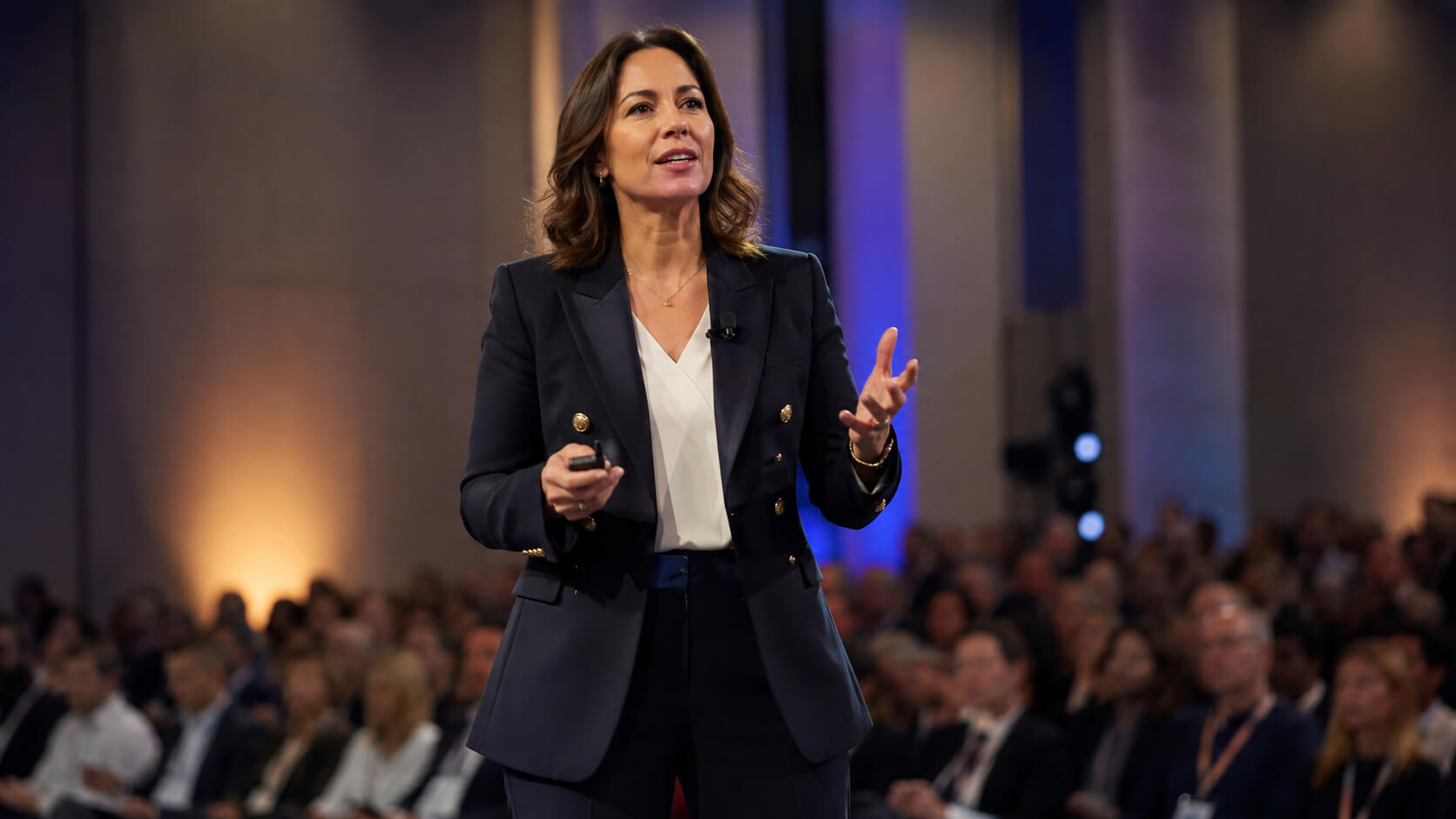
Women should choose outfits that are professional, comfortable and suitable for the dress code. A strong outfit pairs a polished top with a blazer or cardigan, and a skirt, trousers or professional dress that suits the code, with shoes you can wear all day.
Business formal outfit ideas
Business formal suits executive events, panel appearances, award ceremonies and professional dinners. Good options include:
- Tailored pantsuit with a blouse
- Skirt suit with a professional top
- Structured dress with a blazer
- Dress pants with a formal blouse and jacket
- Closed-toe flats, pumps or low heels
- Minimal jewelry and a professional bag
Choose clothing that lets you sit, walk and move comfortably. A structured blazer makes a simple outfit more formal, and a professional dress works well with suitable shoes and understated accessories.
Business casual outfit ideas
Business casual is practical for long sessions, networking breaks and workshops. Useful combinations include:
- Blouse with dress pants and loafers
- Cardigan with tailored trousers and flats
- Blazer with a blouse and a pencil skirt
- Professional dress with a light jacket
- Knit top with wide-leg trousers and ankle boots
- Button-down shirt with slim or straight-leg dress pants
Smart casual outfit ideas
Smart casual suits relaxed leadership events, student conferences, startup gatherings and creative settings. Options include:
- Dark jeans with a blouse and a blazer
- Midi skirt with a polished knit top
- Tailored pants with a simple blouse
- Casual dress with a cardigan
- Wide-leg trousers with a tucked-in top
Keep jeans dark, plain and well fitted, and skip ripped denim.
Shoes and accessories for women
Choose shoes you can wear for a full conference day: loafers, ballet flats, low or block heels, ankle boots, closed-toe flats, and clean professional sneakers for relaxed events. Accessories should support the outfit. A simple watch, small earrings, structured handbag, laptop tote, scarf or neat belt adds polish, while noisy or hard-to-manage pieces get in the way during sessions.
What to Wear Based on the Type of Leadership Conference
The best outfit depends on the event type, audience, venue and professional setting. A corporate summit calls for a more polished look, while a creative or student-focused event may allow smart casual.
Corporate leadership conferences
Corporate events usually call for business formal or business casual with a blazer. Choose clean lines, neutral colors and polished shoes.
Industry-specific leadership conferences
Dress to the standards of the field. Finance, legal and executive events may feel more formal, while technology, education, healthcare, marketing and nonprofit conferences often allow business casual, and business casual is also the safe default at an engineering conference. When unsure, a blazer, professional top, tailored pants and polished shoes work across industries.
Women’s leadership conferences
These events combine learning, networking, mentorship and community sessions. Business casual is usually appropriate, while speakers and panelists may prefer business formal. Some organizers set a stricter code such as business professional, so read the attendee guide before you pack. A blazer with dress pants, a professional dress, a blouse with a skirt, or a cardigan with polished separates all work.
Youth leadership conferences
Youth events usually allow approachable business casual or smart casual. Students and young professionals can wear a button-down shirt, blouse, chinos, tailored pants, a simple dress or a cardigan with loafers, flats or dress shoes. The outfit should look neat and respectful without feeling overly formal.
Global or international leadership conferences
When attendees come from different countries and industries, choose modest, polished and adaptable clothing. Business casual in neutral colors is usually a strong choice.
Creative or startup leadership events
Smart casual or creative casual may be fine: dark jeans with a blazer, chinos with a polished shirt, a statement jacket with simple trousers, or a patterned blouse with neutral pants. Even in relaxed settings, the outfit should look intentional.
What to Wear for Different Conference Activities
Plan your outfit around the specific activities on your schedule: keynotes, workshops, networking, speaking roles, dinners and travel days. Day and evening differ most, so the table gives a quick view.
| Activity | Dress level | Key point |
| Keynotes and panels | Business casual or business formal | Fabric that resists wrinkles and does not feel tight when seated |
| Daytime networking | Business casual | Nothing that needs constant adjustment |
| Workshops and breakouts | Business casual with easy movement | Stretch pants, cardigans, comfortable shoes |
| Evening receptions and dinners | Dressier version of your day outfit | Sharper blazer, refined shoes, simple accessory |
| Travel days and check-in | Comfortable but neat | Wear something that works straight at registration |
Keynote sessions and panel discussions
Keynotes and panels usually call for business casual or business formal. Good choices include a blazer with dress pants, a blouse, a professional dress with a jacket, or chinos with a collared shirt, with polished shoes. Because you may sit for long periods, avoid fabrics that wrinkle easily or feel tight.
Networking events
Networking outfits should look professional and approachable. For daytime networking, business casual works best. For evening networking, step up with a sharper blazer, refined shoes, a professional dress or a simple accessory. A hands-free bag, such as a crossbody or compact shoulder bag, lets you hold a drink and shake hands. You should be able to focus on conversation, not on fixing your sleeves, collar, shoes or bag.
Workshops and breakout sessions
Workshops may involve movement, group discussions or interactive activities. Stretch dress pants, chinos, polished knit tops, cardigans, blazers, flats, loafers, ankle boots and comfortable dress shoes are practical choices.
Presentations or speaking roles
If you are presenting, moderating or speaking on a panel, dress slightly more formally than regular attendees, for example in a suit, blazer, structured dress or formal trousers. Skip busy patterns and noisy accessories so the outfit supports your message, and check that light fabrics are not see-through under bright stage lights. Keynote speakers also need to think about microphones and cameras.
Evening receptions or dinners
Evening events call for a dressier version of your daytime outfit: a blazer with a dressier shirt, a professional dress with polished shoes, dress pants with a refined blouse, or a suit without a tie for semi-formal settings. Often only a few swaps are needed: change the shoes, jewelry, bag or outer layer. Pack a separate dressier outfit only if the invitation names a formal or cocktail code. If the event includes awards, sponsors, formal dining or senior leaders, choose business formal or polished business casual.
Travel days and check-in
You may meet attendees at the airport, hotel lobby, registration desk or welcome reception, so travel outfits should be comfortable but neat. Chinos, stretch dress pants, a blouse, polo or button-down shirt with a light jacket, cardigan or blazer, and loafers, flats, boots or clean sneakers can all work. If you arrive close to the start time, wear something that can go directly into the conference.
Leadership Conference Outfit Tips for All Attendees
The best outfits are professional, comfortable and easy to wear for several hours. These tips apply to professionals, students, speakers, exhibitors and first-time attendees.

Dress one level above the minimum dress code
When the dress code is unclear, go slightly more polished than the basic expectation, especially on day one. Watch what others wear, then adjust the next day. A listed “casual” code means smart casual for you, “smart casual” means business casual, and “business casual” means adding a blazer or structured jacket. This does not mean a full suit everywhere. It means the outfit looks intentional for a leadership-focused setting.
Choose comfortable, professional footwear
Conferences mean long hours of standing, walking and networking. Avoid brand-new shoes unless you have tested them, and keep a pair of flats in your bag to change into if heels start to hurt. Good options are loafers, oxfords, derby shoes, flats, block heels, low heels, ankle boots and, for relaxed settings, clean leather sneakers.
Use layers for changing room temperatures
Conference rooms may be cold while registration areas, lunch spaces and hallways feel warmer. Blazers, cardigans, light jackets, fine-knit sweaters, scarves or structured vests are easy to add or remove.
Build outfits around neutral colors
Navy, black, gray, charcoal, white, beige, brown, cream and light blue are easy to combine and read as professional. Add one accent color through a tie, blouse, scarf, pocket square, jewelry or bag.
Keep accessories polished and practical
A watch, belt, simple jewelry, laptop tote, portfolio, crossbody bag, business card holder or professional backpack makes the day easier. Avoid accessories that are noisy, oversized or hard to carry.
Prioritize fit, fabric and mobility
Fit matters more than brand or price. You should be able to sit, walk, raise your arms, carry a bag, shake hands and stand without constant adjustment. Choose fabrics that resist wrinkles, breathe and hold their shape.
What Not to Wear at a Leadership Conference
Avoid anything that looks too casual, distracting, uncomfortable or mismatched with the setting. The event is usually about learning, networking and career conversations.
Clothing that looks too casual
Gym clothes, sweatpants, flip-flops, beachwear, ripped jeans, pajama-style clothing, oversized hoodies, wrinkled T-shirts and shorts can make you look unprepared unless the event clearly allows them. Casual pieces work only when styled well: dark jeans with a blazer may pass at a smart casual event, but distressed jeans with a loose T-shirt will not.
Distracting or overly bold pieces
Be careful with extremely bright full outfits, loud patterns from head to toe, large logos, slogans, noisy accessories, heavy fragrance, flashy jewelry or anything you keep adjusting. If you want a bold piece, balance it with simple items, such as a patterned blouse with neutral trousers or a statement blazer with a plain shirt.
Uncomfortable shoes
Avoid shoes that are too tight, too loose, hard to walk in, not broken in, too casual for the venue or unsuitable for standing. Choose shoes that combine comfort and polish.
Clothing that does not match the event setting
Match the venue, audience, schedule and your role. A look that works at a creative startup event may not work at a corporate summit. A formal suit may feel like too much at a student workshop, while jeans may be too casual for an executive dinner.
Wrinkled, worn or poorly fitted outfits
Clean, well-fitted clothing matters more than expensive clothing. Avoid pieces that are wrinkled, stained, faded, torn, too tight, too loose, missing buttons or covered in lint. Try on the outfit before the event and check how it feels when you sit, walk and move.
Packing Checklist for a Leadership Conference
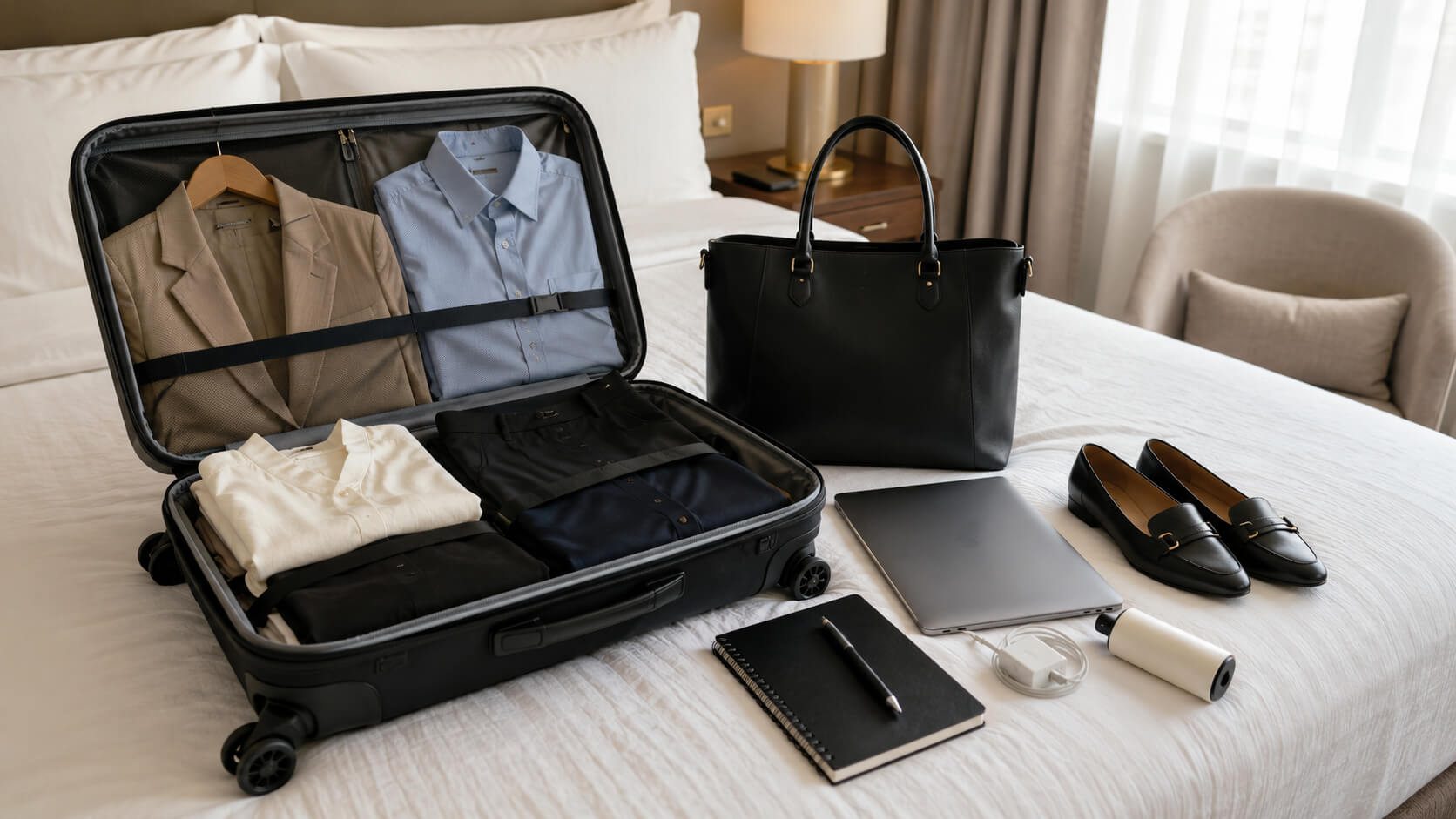
Pack professional clothing, comfortable shoes, practical accessories, grooming items and backup pieces, using the agenda as your starting point.
Clothing essentials
Pack items that mix and match: a blazer, structured jacket, dress pants, chinos, skirt, button-down shirts, blouses, polos, polished knit tops, a professional dress, a cardigan or light sweater, undergarments, socks, sleepwear and weather-appropriate outerwear. For multi-day conferences, choose pieces that make more than one outfit. One blazer can work with dress pants, a skirt, chinos or dark jeans, depending on the dress code.
Footwear essentials
Bring one main pair of professional shoes and one backup pair that support long hours of walking or standing. Loafers, flats, dress shoes, ankle boots and low heels are useful, and clean sneakers may work for relaxed events.
Accessories and grooming items
Helpful items include a professional bag, notebook, pens, laptop, charger, power bank, business cards, watch, belt, scarf, tie, pocket square, lint roller, travel steamer, wrinkle-release spray, comb, brush, breath mints, lip balm and hand lotion.
Backup items
Pack an extra shirt or blouse, extra socks or tights, a light jacket, stain-removal pen, small sewing kit, bandages, umbrella, safety pins, deodorant and phone charger. For important events, an extra polished top is especially useful.
Sample Leadership Conference Outfits
Plan sample outfits around the dress code, your role and the activities on your schedule, and treat these as starting points.
One-day conference outfit
Choose one outfit that works from registration to the final session, and avoid fabrics that wrinkle or become uncomfortable after a few hours. Good options include:
- Blazer with button-down shirt, chinos and loafers
- Blouse with tailored trousers, cardigan and flats
- Professional dress with a light jacket and low heels
- Knit top with dress pants, ankle boots and a structured bag
- Collared shirt with dress pants, a light jacket and polished shoes
Multi-day conference outfit plan
For several days, pack pieces that mix and match. A simple three-day plan:
| Day | Suggested Outfit |
| Day 1 | Business casual outfit for registration, opening sessions and networking |
| Day 2 | More polished outfit for keynote sessions, meetings or presentations |
| Day 3 | Comfortable smart casual or business casual outfit for workshops and closing sessions |
Useful pieces for this plan are one blazer, two or three professional tops, one pair of dress pants, one skirt or second pair of trousers, one cardigan, one main pair of shoes and one backup pair.
Networking-focused outfit
A networking outfit should look approachable and polished: a blazer with tailored trousers, a dress shirt with chinos, a blouse with a pencil skirt, a professional dress with flats, or dark jeans with a structured jacket for relaxed events. Add one simple detail, such as a scarf, tie, pocket square, watch, necklace or textured blazer, to be memorable without being distracting.
Speaker or presenter outfit
Dress slightly more formally than attendees: a suit with dress shirt, a blazer with formal trousers, a structured dress with a jacket, a blouse with blazer and dress pants, or a button-down shirt with a sport coat. Avoid busy patterns and distracting accessories.
Casual leadership event outfit
Choose smart casual rather than everyday casual. Dark jeans with a blazer, chinos with a polo, a midi skirt with a polished knit top, a casual dress with a cardigan, or a plain T-shirt under a structured jacket can work.
From our experience at MS International: Our conferences are held in person at venues in the Greater Toronto Area, and participants receive the venue details and session schedule through official email updates and website announcements before the event. We suggest reading those first and dressing for the room they describe. Since the same day can include sessions, breaks and conversations with presenters, a blazer or cardigan you can add or remove is a safe layer.
FAQ: Leadership Conference Attire
When a leadership conference lists no dress code, the doubts move to suits, jeans, sneakers, which colors work and what to change into for an evening networking event.
What is the safest outfit choice for a leadership conference?
The safest choice is business casual. It is professional enough for most settings and comfortable for a full day. A reliable outfit is a blazer, dress pants or chinos, a blouse or button-down shirt, and loafers, flats or dress shoes.
Can I wear jeans to a leadership conference?
Sometimes: only if the dress code is smart casual, creative casual or clearly relaxed, and never if the organizer lists jeans as not allowed. Choose dark, clean, well-fitted jeans with no rips, and pair them with a blazer, blouse, button-down shirt or polished knit top.
Are sneakers appropriate for a leadership conference?
Only at relaxed, creative, startup, student or smart casual events. They should be clean, simple and in good condition. For most professional conferences, loafers, flats, oxfords, ankle boots or low heels are safer.
Should I wear a suit to a leadership conference?
Wear a suit if the event is business formal, executive-level, sponsor-focused or includes a formal speaking role. It also suits award ceremonies and formal evening receptions. For general attendance, business casual with a blazer is often enough.
Does a published dress code override this advice?
Follow it. A published code overrides general advice, including this guide. If it does not mention a piece you plan to wear, such as jeans or sneakers, email the organizer before the event.
What colors work best for leadership conference outfits?
Neutrals such as navy, gray, white and beige. They look professional and mix easily. Add one small accent color through a tie, scarf or bag.
How should I dress if no dress code is listed?
Choose business casual, and start slightly more polished on day one: dress pants instead of jeans, a blazer instead of only a shirt, and loafers instead of casual sneakers. Check the venue, agenda, speaker list and past event photos for hints, then adjust to what others wear.
What should students or young professionals wear?
Neat business casual or polished smart casual. Good options include a button-down shirt with chinos, a blouse with dress pants, a polo with tailored trousers, a simple dress with flats, or a blazer with dark jeans at relaxed events.
What should I wear to an evening networking event?
A slightly dressier version of your daytime outfit, such as a blazer with dress pants, a professional dress with polished shoes, or a suit without a tie. Add a sharper blazer or refined shoes if the host is a senior leader or sponsor.
Final Takeaway: Dress Professionally, Comfortably, and Strategically
Business casual with a blazer is the safest choice for most leadership conferences, because it works for keynotes, workshops and networking. Move up to business formal for executive events or speaking roles, and down to smart casual only for relaxed, creative or student-focused ones.
Before you decide, check the dress code, venue, industry, weather, schedule and your role. Then pick comfortable shoes, pack useful layers, stay with neutral colors and skip anything too casual or distracting. A good outfit will not replace preparation, but it helps you feel ready to connect.