

Search for church conferences and you will find revival weekends, pastors’ retreats, and formal business meetings, all under one name. Which one is meant depends on who is using the word.
Quick answer: A church conference is a planned Christian gathering where believers and leaders meet for worship, teaching, prayer, ministry training, or church decision-making. Some are renewal and training events open to anyone. Others, such as denominational meetings, are formal sessions for reports, elections, and votes. It can last from one hour to several days, and the exact meaning depends on the church or denomination.
Last verified against official sources: October 2026.
What Is a Church Conference?
A church conference is an organized gathering connected to the mission, teaching, leadership, or administration of a church. It may last one hour for a business meeting, a full day, a weekend, or several days.
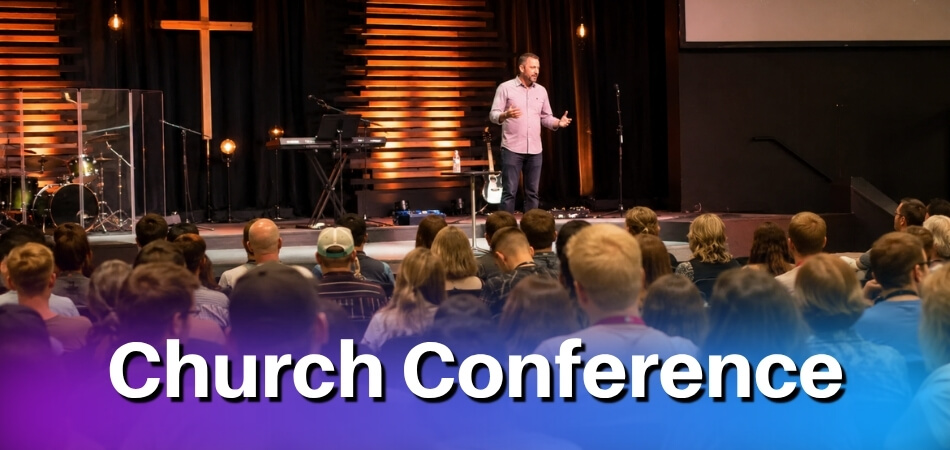
In simple terms, a church conference gives believers and leaders focused time to worship, learn, pray, discuss, plan, and connect. It is usually more structured than a regular church service and often includes multiple sessions or activities.
A church conference may include:
- Worship and preaching
- Bible teaching
- Prayer gatherings
- Ministry workshops
- Leadership training
- Fellowship meals
- Mission updates
- Reports and planning sessions
- Voting or formal church decisions
The format changes based on the purpose. A youth conference may focus on faith, identity, and discipleship. A pastors’ conference may focus on leadership, preaching, and ministry health. A denominational conference may focus on governance, reports, budgets, and future direction.
The purpose also depends on the host. A local church may hold one to encourage members, train volunteers, or strengthen the community. A denomination may hold one to review reports, vote on proposals, elect leaders, or plan future ministry. In both cases, the goal is to help the church grow in faith, unity, service, and direction.
Church Conference vs. Regular Church Service
A regular church service usually happens weekly and focuses on worship, prayer, Scripture, preaching, and congregational life. A church conference is usually a special event with a wider purpose.
| Feature | Regular Church Service | Church Conference |
| Main purpose | Weekly worship and teaching | Focused growth, training, renewal, planning, or decisions |
| Length | Usually one service | One hour to several days |
| Audience | Local congregation | Members, leaders, delegates, volunteers, students, or guests |
| Format | Worship, sermon, prayer | Sessions, workshops, worship, discussions, reports, or votes |
| Outcome | Ongoing spiritual care | Deeper learning, clearer direction, stronger unity, or official action |
A church service supports the regular rhythm of faith. A church conference creates a concentrated space for learning, renewal, connection, and planning.
Biblical and Historical Basis for Church Conferences
The idea of Christians gathering to pray, teach, and decide together goes back to the earliest church. Modern conferences add schedules, speakers, registration systems, and digital tools, but the deeper practice is the same: teaching, prayer, fellowship, discernment, and shared decisions.
A key biblical example is the meeting described in Acts 15, often called the Jerusalem Council. Early church leaders came together to address an important issue affecting the wider Christian community. They listened, discussed, sought wisdom, and communicated a decision to the churches.
This example reflects several principles still seen in church conferences today:
- Leaders gathered around a serious ministry question.
- The discussion affected more than one local group.
- Spiritual wisdom and practical decisions were both needed.
- The outcome helped protect unity.
- The decision was shared with the wider church.
Church conferences also reflect the Christian emphasis on meeting together for encouragement and faithfulness. Believers are not meant to live disconnected spiritual lives. Conferences help people see that they are part of a wider body of faith, service, and mission.
What Happens at a Church Conference?
Most church conferences combine worship, preaching, Bible teaching, prayer, training, fellowship, and planning. The exact schedule depends on the type of event, but most are designed to help attendees grow spiritually and practically.
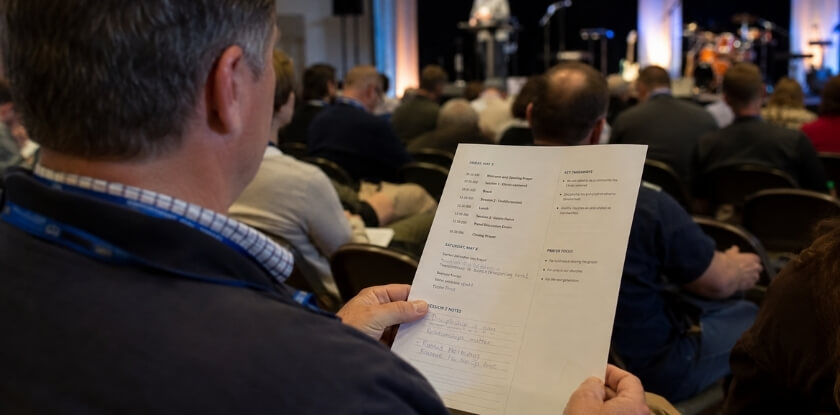
Worship, Prayer, and Preaching
Worship, prayer, and preaching often form the heart of a church conference. These sessions help attendees focus on God, respond to Scripture, and renew their faith.
A worship session may include music, Scripture readings, congregational prayer, testimonies, and a sermon. Some conferences also include dedicated prayer times, intercession, altar ministry, or quiet reflection.
Preaching is often tied to the conference theme. A renewal conference may focus on repentance, prayer, and spiritual growth. A leadership conference may focus on calling, service, humility, and perseverance. A missions conference may focus on outreach, compassion, and global ministry.
Bible Teaching and Theological Learning
Many conferences include Bible teaching or theological sessions led by pastors, teachers, ministry leaders, or guest speakers. These sessions help attendees understand Scripture and apply Christian truth to real life.
Common topics include:
- Discipleship
- Prayer
- Leadership
- Mission and outreach
- Church unity
- Family ministry
- Youth ministry
- Pastoral care
- Christian service
- Current ministry challenges
Good teaching does more than share information. It helps people think clearly, live faithfully, and serve wisely.
Workshops and Ministry Training
Workshops make a church conference practical. While main sessions often serve the whole audience, breakout sessions allow people to choose topics that match their ministry role or personal needs.
Workshops may cover:
- Preaching and teaching
- Youth or children’s ministry
- Worship team development
- Small group leadership
- Volunteer coordination
- Church communication
- Counseling and pastoral care
- Evangelism
- Missions
- Digital ministry
- Safety and accessibility
These sessions are especially helpful for pastors, volunteers, lay leaders, and ministry teams. They turn broad inspiration into practical next steps.
Fellowship and Networking
A church conference is also a place for fellowship. People often remember shared meals, hallway conversations, prayer moments, and small group discussions as much as the formal sessions.
Fellowship may happen through:
- Meal breaks
- Prayer groups
- Ministry booths
- Team discussions
- Informal conversations
- Networking sessions
- Speaker Q&A
- Small group activities
These moments strengthen relationships. They help pastors feel less isolated, volunteers exchange ideas, students connect with mentors, and church members build unity.
Reports, Voting, and Planning
Some church conferences include formal business or governance sessions. This is common in denominational gatherings, annual meetings, charge conferences, synods, councils, and congregational meetings.
These sessions may include:
- Ministry reports
- Financial updates
- Budget discussion
- Leadership elections
- Policy decisions
- Mission planning
- Committee reports
- Voting on proposals
This side of a conference may feel more administrative, but it is still important. It helps the church remain organized, accountable, and focused on its mission.
Why Are Church Conferences Important?
Church conferences matter because they strengthen faith, build unity, train leaders, support planning, and encourage mission. They create space for people to step back from routine, listen carefully, learn deeply, and return with renewed purpose.
Spiritual Renewal
A conference can help attendees pause, reflect, and reconnect with God. Through worship, prayer, Scripture, and teaching, people may find encouragement during difficult seasons or renewed motivation for spiritual growth.
Stronger Unity
Conferences bring people together around shared worship, teaching, and mission. They help members, leaders, volunteers, and delegates see that they are part of something larger than their own role or local group.
Leadership Development
Many churches depend on trained and encouraged leaders. Conferences help pastors, staff, lay leaders, youth workers, worship leaders, small group leaders, and volunteers serve with greater confidence. Leadership sessions may focus on communication, discipleship, pastoral care, volunteer management, teaching, conflict resolution, or ministry strategy.
Better Ministry Planning
A church conference gives leaders and members time to evaluate current ministry and plan future steps. Reports, discussions, and planning sessions help churches identify needs, set goals, and use resources wisely.
Mission and Outreach
Many conferences renew attention to service beyond the church building. Missions sessions, outreach training, and testimonies from ministry workers can help attendees pray, give, volunteer, and serve more intentionally.
Main Types of Church Conferences
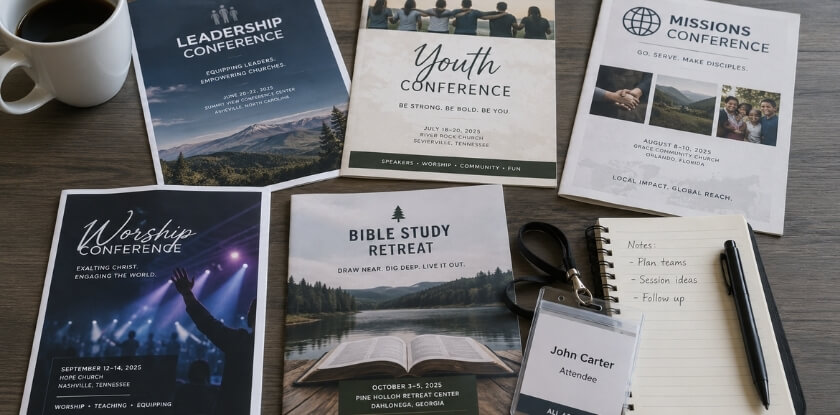
Church conferences come in several forms. Each type serves a different purpose, audience, and ministry need. Church gatherings do not fit the academic, business and press grouping of conferences by purpose.
Denominational Conferences and Annual Meetings
A denominational conference is a formal gathering where churches within the same denomination discuss shared matters. It may include worship and teaching, but it often focuses on reports, budgets, elections, policies, and future plans. These meetings help churches stay connected, accountable, and aligned around shared mission.
Pastors’ and Church Leadership Conferences
A leadership conference equips pastors, elders, staff, ministry directors, and lay leaders. Topics often include preaching, pastoral care, discipleship, church health, team leadership, conflict management, and ministry vision. These events encourage leaders and give them tools they can use in their local churches.
Missions and Outreach Conferences
A missions conference focuses on local outreach, global missions, evangelism, church planting, or humanitarian service. It may include missionary speakers, prayer sessions, cultural learning, ministry reports, and opportunities to support or join mission work. The goal is to help attendees understand needs and take meaningful steps toward service.
Youth and Young Adult Conferences
A youth or young adult conference helps younger attendees grow in faith, ask questions, build friendships, and explore purpose. These events often include worship, teaching, small groups, music, and interactive sessions. Common themes include identity, calling, prayer, discipleship, relationships, leadership, and living faithfully in daily life.
Family, Children’s, and Student Ministry Conferences
These conferences equip leaders who serve children, teens, parents, and families. Sessions may focus on teaching Scripture, supporting parents, building safe ministry environments, developing volunteers, and strengthening discipleship at home and church.
Men’s and Women’s Conferences
Men’s and women’s conferences create focused spaces for worship, teaching, fellowship, encouragement, and discipleship. Topics may include faith, character, prayer, family, leadership, service, healing, mentoring, and biblical identity. A faith-based women’s conference is one of several kinds, alongside leadership, career, and wellness events.
Revival Meetings and Camp Meetings
A revival meeting focuses on spiritual renewal through preaching, prayer, worship, and personal response. A camp meeting is often a multi-day gathering that may include outdoor services, extended worship, teaching, fellowship, and community prayer. These gatherings emphasize renewed commitment and spiritual awakening.
Synods, Councils, and Formal Assemblies
Synods, councils, and church assemblies are formal meetings used in certain Christian traditions to address doctrine, governance, discipline, leadership, and church order. These gatherings may include bishops, clergy, elders, theologians, delegates, or lay representatives.
They help churches maintain clarity, accountability, and continuity.
Who Attends a Church Conference?
Pastors, church staff, volunteers, students, mission workers, denominational representatives, and general believers may all attend. The audience depends on the purpose of the event.
Pastors and Church Staff
Pastors and staff attend for leadership growth, spiritual encouragement, training, and ministry planning. They may learn about preaching, pastoral care, church administration, outreach, discipleship, or congregational health.
Lay Leaders and Volunteers
Lay leaders and volunteers attend to grow in confidence and skill. They may serve in small groups, hospitality, children’s ministry, youth ministry, worship, outreach, or administration. Churches benefit when volunteers are trained, encouraged, and connected to the wider mission.
Youth, Students, and Young Adults
Young attendees come to grow in faith, meet peers, ask important questions, and explore calling. Conferences can connect them with mentors and help them take faith more seriously.
Mission Workers and Outreach Teams
Mission workers attend to share updates, teach about local or global needs, invite prayer, and connect churches with service opportunities.
Delegates and Representatives
In formal conferences, delegates or representatives attend to review reports, vote on proposals, elect leaders, and help guide church direction.
First-Time Guests and General Attendees
Many conferences welcome guests who want to learn, worship, or explore church life. A strong conference helps newcomers feel included through clear communication, welcoming check-in, accessible teaching, and simple next steps.
Church Conferences in Specific Denominations
The term church conference can have a special meaning in some denominations. In these settings, it may refer to an official meeting rather than a general worship or training event, so always check how your own tradition uses the word.
Church Conference in the United Methodist Church
In the United Methodist Church, a church conference is an official meeting of a local church where professing members may discuss and decide important church matters. The UMC glossary, which reprints the definition from A Dictionary for United Methodists (Alan K. Waltz, Abingdon Press, 1991), describes it as the convening of the charge conference as a meeting that all members of a local church are invited to attend and vote in. Under the Book of Discipline (2020/2024 edition, ¶248), it is a charge conference convened as a church conference, which extends the vote to all professing members of the local church present. The district superintendent must authorize it. A pastor, the church council, or 10 percent of the professing membership may request one in writing, but the superintendent makes the final decision. A local church is not required to hold one.
It may include reviewing reports, approving leaders, addressing ministry needs, and making decisions that affect the congregation. Wording and numbering can change between editions of the Discipline, so confirm the current text for any specific case.
Charge Conference vs. Church Conference
A charge conference is an official meeting connected to a pastoral charge. It meets annually, and special sessions may also be called. Its members are the church council, the appointed clergy, retired clergy connected to the congregation, and the district superintendent or the superintendent’s representative. The district superintendent presides or names a clergy member to preside. It reviews the church’s mission and ministry, receives reports, and elects key local leaders such as the church council chair, committee members, and lay members of annual conference.
A church conference uses the same rules but adds the professing members of the local church to the room and extends the vote to them. Both forms support accountability, planning, and responsible church leadership.
| Term | Basic Meaning | Common Purpose |
| Church conference | Charge conference convened with a vote for all professing members present | Discusses and decides church matters, including electing local leaders |
| Charge conference | Annual meeting connected to a pastoral charge, led by the district superintendent, for the church council and clergy | Reviews reports, leadership, and administration |
Other Denominational Gatherings
Different traditions use different terms, such as assembly, convention, synod, council, annual meeting, or conference. Methodism shows how much the word can change. In the UMC, an annual conference is a regional unit of the church and also its yearly business meeting, which a bishop presides over, with equal numbers of clergy and lay members, and each charge conference elects lay members to it. In the Methodist Church in Britain, “the Conference” is the governing body of the whole church and meets once a year. These gatherings differ in structure, but they often serve similar goals: accountability, shared decision-making, leadership, mission support, and church unity.
Online, Hybrid, and In-Person Church Conferences
Church conferences can be online, hybrid, or in person. The best format depends on the goal, audience, budget, location, and technical capacity.
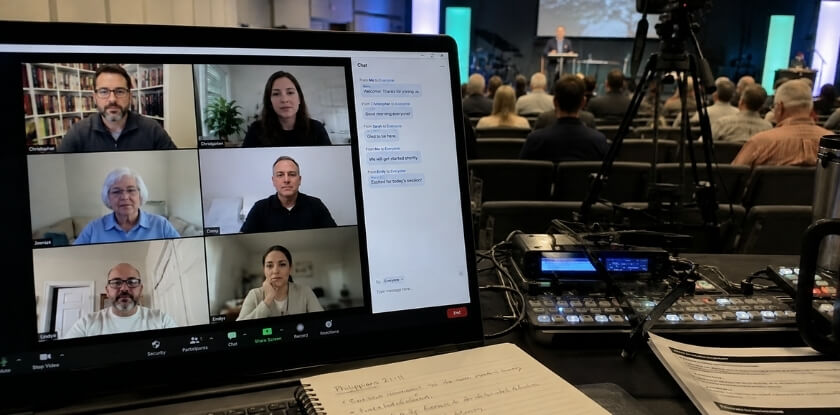
Online Church Conferences
An online church conference takes place through livestreams, video platforms, event websites, or church media tools. It can reach people across locations and reduce travel barriers. Online conferences may include livestreamed sessions, digital prayer requests, chat discussion, online breakout rooms, downloadable notes, and recorded replays. The main challenge is engagement. Clear sound, shorter sessions, live Q&A, chat moderation, and simple next steps help online attendees stay involved.
Hybrid Church Conferences
A hybrid conference combines in-person attendance with online participation. This format allows churches to keep the relational strength of an in-room gathering while including people who cannot travel. Hybrid events need strong audio, camera setup, livestream support, online moderation, digital Q&A, and attention to both audiences.
In-Person Conferences With Digital Tools
An in-person conference gives the strongest opportunity for face-to-face fellowship, shared meals, prayer, worship atmosphere, and informal conversations.
Digital tools can still improve the experience. Useful options include online registration, QR check-in, digital schedules, event apps, live polling, feedback forms, email updates, and recorded sessions.
Accessibility Options
Accessibility helps more people participate fully. Churches should consider captions, interpretation, wheelchair-friendly seating, clear signage, printed and digital schedules, quiet spaces, assistive listening, large-text materials, and replay access when possible. Technology should support the mission of the conference, not distract from it.
How Long Does a Church Conference Last?
A church conference can last from one hour to several days. The timeline depends on the event’s purpose, audience, format, and size. The lengths below are examples, not fixed rules, because each host sets its own schedule.
| Conference Format | Example Length | Typical Purpose |
| Local church business meeting | 1–2 hours | Reports, updates, voting, planning |
| Evening teaching event | 2–3 hours | Worship, sermon, prayer, training |
| One-day conference | 6–8 hours | Teaching, workshops, worship, fellowship |
| Weekend conference | 2–3 days | Renewal, leadership, youth, or ministry training |
| Annual denominational meeting | 2–4 days | Reports, votes, elections, worship, meetings |
| Missions or student conference | 3–5 days | Teaching, worship, mission focus, group activities |
| Revival or camp meeting | Several days or more | Preaching, prayer, worship, renewal |
A shorter event is not weaker, and a longer event is not automatically better. The best length is the one that serves the purpose without overwhelming attendees.
What Affects the Timeline?
Several factors shape the length of a church conference:
- Purpose: Business meetings are shorter; training and renewal events need more time.
- Audience: Youth, families, leaders, and delegates may need different schedules.
- Number of sessions: More speakers and workshops require more time.
- Format: Online sessions often work better when shorter; hybrid events need extra technical preparation.
- Travel needs: Out-of-town attendees may need arrival and departure time.
- Meals and fellowship: Shared meals add time but improve connection.
- Accessibility: Interpretation, captions, and mobility needs may affect transitions.
- Decision-making: Voting, reports, and debate require enough time for order and clarity.
How to Prepare for a Church Conference
Preparing for a church conference starts with a clear goal, a defined audience, a realistic budget, and a schedule that supports the purpose.
Define the Goal, Theme, and Audience
Start by asking what the conference should accomplish. Is the goal worship, training, renewal, mission, leadership, youth discipleship, or official church business?
Then define the audience. A pastors’ conference needs different content than a youth event, family ministry training, or denominational meeting. A clear audience helps shape speakers, sessions, schedule, and promotion.
Choose the Right Format and Venue
Decide whether the event should be in person, online, or hybrid. For an in-person event, consider seating, sound, parking, restrooms, accessibility, breakout rooms, meal space, registration space, and safety exits. For online or hybrid events, test microphones, cameras, livestream platforms, slides, captions, chat tools, and backup internet before the event.
Build a Practical Budget
A church conference budget may include:
- Venue costs
- Speaker honorariums
- Travel and lodging
- Food and hospitality
- Sound, lighting, and livestreaming
- Registration software
- Printed materials
- Promotion
- Accessibility support
- Safety supplies
- Emergency funds
The budget should also explain how costs will be covered through church funds, registration fees, donations, sponsorships, offerings, or ministry partners.
Select Speakers, Sessions, and Worship Elements
Choose speakers who match the theme, audience, and beliefs of the church. A good speaker should communicate clearly, serve the purpose of the event, and offer practical value.
Plan a balance of worship, teaching, workshops, prayer, discussion, and breaks. Avoid crowding the schedule. Attendees need space to listen, process, connect, and respond.
Set Up Registration and Check-In
A smooth registration process helps attendees feel welcomed. Collect only necessary information, such as name, contact details, church, ticket type, meal needs, accessibility requests, workshop choices, and emergency contacts for youth events. For check-in, prepare name badges, signs, schedules, help desks, and trained volunteers.
Plan Promotion and Communication
Promotion should clearly answer who the event is for, why it matters, when it happens, where it takes place, and how to register.
Use church announcements, email, social media, website pages, flyers, partner churches, ministry groups, and leader invitations. After registration, send practical details such as arrival time, parking, schedule, meal information, childcare details, and what to bring. A short announcement can follow a simple pattern:
[Event name] is a one-day gathering for [pastors / youth leaders / volunteers] at [venue] on [date]. Doors open at [time]. Register by [date] at [website], and tell us about any meal or accessibility needs when you sign up.
Prepare Safety, Accessibility, and Follow-Up
Responsible planning includes emergency exits, first aid, child protection procedures, youth check-in policies, volunteer roles, weather plans, and clear communication.
After the event, send thank-you messages, recordings, resources, feedback forms, and next steps. Follow-up helps the conference continue producing value after the final session ends.
How to Get the Most Out of Attending a Church Conference
To benefit from a church conference, prepare before you arrive, participate during the event, and apply what you learn afterward.
Review the Schedule
Check the session topics, speaker list, workshop options, venue map, start times, meal breaks, and registration instructions. If several people from your church are attending, divide workshop topics so the group can learn more collectively.
Bring Notes and Questions
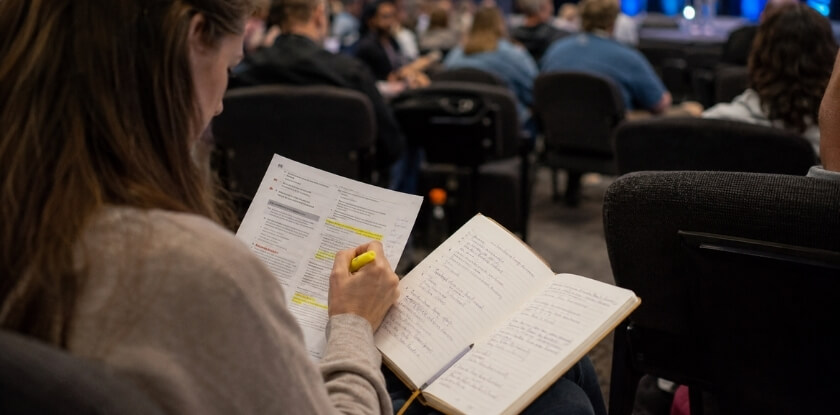
Bring a Bible, notebook, pen, phone charger, water bottle, registration confirmation, and any required materials. Write down key Scriptures, practical ideas, questions, and action steps. Do not try to capture everything. Focus on what is useful and worth applying.
Connect With Others
Use breaks, meals, and small group times to meet people. Ask what ministry they serve in, what session helped them, or what challenges they are thinking through. Simple conversations can lead to encouragement, ideas, prayer, or future collaboration.
Apply What You Learn
After the conference, review your notes and choose a few realistic next steps. Share key takeaways with your pastor, ministry team, small group, or church leaders. Rewatch sessions if available, contact people you met, and turn useful ideas into action.
The real value of a church conference is not only what happens during the event. It is seen in the growth, service, and decisions that follow.
From our experience at MS International: We organize academic and professional conferences at in-person venues in the Greater Toronto Area, not church events, so we cannot speak to worship, doctrine, or denominational procedure. At our conferences, presenters check in, collect a badge, and meet the session coordinator or moderator before presenting, and the moderator introduces each presenter before the presentation.
FAQ: Church Conferences
Church conferences raise points of their own, such as who may attend, whether there is a cost, how speakers are chosen and how a charge conference differs in the United Methodist Church.
Can Anyone Attend a Church Conference?
It depends on the event. Many church conferences are open to anyone, especially those focused on worship, teaching, missions, youth, or leadership training. Formal business sessions are often limited to delegates or members, and a United Methodist church conference gives the vote only to professing members present. Check the event page for who may attend.
Do Church Conferences Cost Money?
Some church conferences are free, while others charge registration fees. Fees may cover speakers, venue, meals, or materials, and lodging may be extra. Read the event page to see what the fee includes, and ask whether scholarships or group rates exist.
Are Church Conferences Only for Pastors?
No, church conferences are not only for pastors. Some are designed for pastors, but many are for volunteers, students, families, mission teams, worship leaders, ministry workers, church members, and guests.
What Is a Church Conference in the United Methodist Church?
It is a charge conference convened so that all professing members of the local church present can vote. The pastor, church council, or 10 percent of professing members may request one, and it can elect local church leaders.
What Is the Difference Between a Church Conference and a Charge Conference?
The difference is who is in the room and who votes. A charge conference is the church council, clergy, and the district superintendent or representative. A church conference adds the congregation’s professing members, who may vote, when the superintendent authorizes it.
What Should You Bring to a Church Conference?
Useful items include a Bible, notebook, pen, phone charger, water bottle, registration confirmation, comfortable clothing, schedule, tickets or ID, and personal medication. For online events, prepare your device, headphones, internet connection, and login link.
How Are Speakers Chosen?
Speakers are usually chosen based on the theme, audience needs, ministry experience, teaching ability, theological alignment, communication skill, and credibility. A good speaker should support the purpose of the event clearly and faithfully.
What Makes a Church Conference Successful?
A successful church conference has a clear purpose, strong organization, helpful teaching, welcoming hospitality, accessible planning, meaningful worship, and practical follow-up. Success is not only measured by attendance. It is also measured by whether people are encouraged, equipped, connected, and ready to take useful next steps.
Final Summary: What a Church Conference Means for the Church Today
A church conference is a purposeful Christian gathering where believers and church leaders worship, learn, pray, connect, plan, and serve with greater clarity. It may be a renewal event, a training event for ministry workers, a youth or missions gathering, or a formal meeting for church decisions.
The meaning changes by context, but the central idea stays the same: a church conference brings people together for the good of the church and its mission. If you are unsure which kind you are being invited to, ask the host whether it is open to all or limited to delegates.