
It is easy to leave a good conference with a full notebook and no clear next step. A women’s conference can give you both, if you know what to look for and how to use it.
Quick answer: The main benefits of attending a women’s conference are practical skills, a stronger professional network, mentoring, more confidence, and better career visibility. How much you gain depends on preparation: pick sessions that match one goal, have a few real conversations, and follow up within a few days. A conference does not guarantee a promotion or a job.
What Is a Women’s Conference?
A women’s conference is an event created to support women through learning sessions, networking, workshops, expert talks, mentorship, and shared experiences. These conferences often cover leadership, entrepreneurship, career growth, communication, wellness, confidence, industry trends, and workplace inclusion.
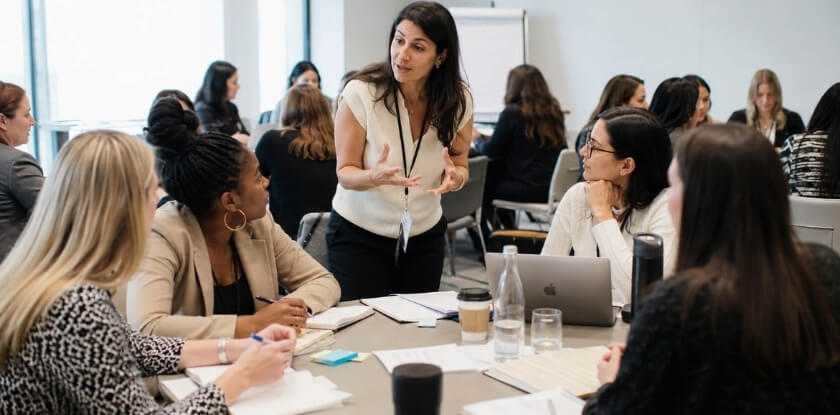
Unlike general professional events, women-focused conferences often address the specific goals and challenges many women face in work, business, education, and leadership. They give attendees a place to learn from experienced voices, discuss real barriers, and connect with people who understand similar ambitions.
They are designed for many groups, including working professionals, business owners, students, managers, leaders, freelancers, job seekers, and women returning to work after a break. Some events are open to many industries, while others focus on one field such as technology, healthcare, marketing, education, business, engineering, finance, or human resources.
Main Types of Women’s Conferences
Women’s conferences fall into four main types: leadership, industry-specific, entrepreneurship, and wellness. Each serves a different purpose, so start with what you want to gain. A person looking for a mentor needs a different event than someone looking for investors, technical training, or wellness support. Matching the event type to your goal protects your time, budget, and energy.
Leadership and Professional Development Conferences
A leadership women’s conference focuses on workplace growth, decision-making, communication, confidence, and career advancement. These events suit women preparing for management roles, improving team leadership, or building executive presence. Common topics include public speaking, negotiation, project leadership, workplace communication, personal branding, and promotion readiness.
Industry-Specific Women’s Conferences
An industry-specific women’s conference supports women in a particular field, such as technology, healthcare, business, law, education, media, science, engineering, finance, marketing, or social impact. The benefit is relevance. Attendees hear about field-specific trends, tools, challenges, and opportunities from experts who understand their industry.
Entrepreneurship and Business Conferences
A women’s entrepreneurship conference helps business owners, founders, freelancers, and future entrepreneurs learn how to start, manage, or grow a company. Sessions may cover business planning, funding, marketing, sales, branding, customer growth, financial basics, and partnerships. These events can also connect attendees with mentors, investors, service providers, suppliers, and potential collaborators.
Wellness and Confidence Events
Some women’s conferences focus on well-being, confidence, emotional strength, stress management, and personal growth, with wellness workshops, mindset sessions, group discussions, or health education. They help attendees who want to reset, manage pressure, or reconnect with personal goals.
Key Benefits of Attending a Women’s Conference
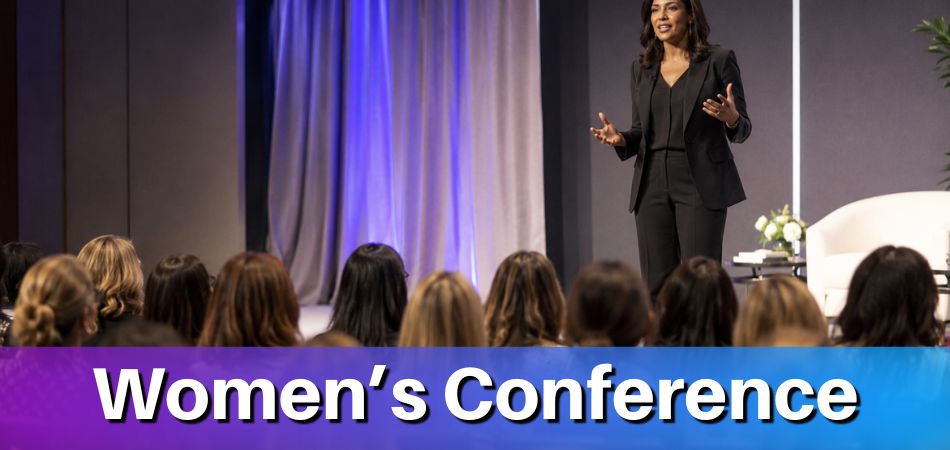
The biggest benefits are networking, leadership development, career growth, confidence building, practical learning, mentorship, and exposure to new ideas. Here is what each one looks like in practice.
Build Meaningful Professional Connections
Women’s conferences create a focused space for meeting people who share similar goals, interests, or challenges. Attendees may connect with peers, mentors, recruiters, speakers, business owners, industry experts, or potential partners.
These connections can lead to advice, referrals, collaborations, job leads, or mentorship. A few strong conversations often matter more than a pile of contacts you never follow up.
Strengthen Leadership and Communication Skills
Many conferences include sessions on public speaking, teamwork, decision-making, negotiation, self-advocacy, conflict resolution, and leadership confidence. These skills are useful in almost every career.
Workshops are especially valuable because you can practice ideas, ask questions, and learn through examples. A communication session may help someone speak more clearly in meetings, while a leadership workshop may help another attendee manage projects or guide a team.
Increase Career Visibility and Build Your Personal Brand
Attending a conference makes you more visible in your field. Asking thoughtful questions, joining discussions, introducing yourself to speakers, or sharing takeaways online shows initiative and interest. Over time this builds a personal brand: a professional identity people can understand and remember.
That visibility may help you discover job openings, leadership programs, professional associations, mentors, or new career paths. A conference does not guarantee a promotion, but it can show you which skills and relationships may support your next step.
Gain Practical Knowledge Through Workshops
A strong women’s conference gives more than general advice. It offers structured sessions on career planning, business strategy, wellness, technology, branding, industry updates, financial literacy, or workplace communication.
The best workshops turn ideas into clear actions. You may leave with notes, frameworks, checklists, tools, or plans you can use in work, business, or daily life, because you see how to apply the advice in a realistic situation.
Improve Confidence and Self-Advocacy
A women’s conference can help attendees feel less alone in their goals and challenges. Hearing from women who have faced setbacks, career changes, business struggles, or leadership doubts makes growth feel more possible.
Confidence often grows when you practice speaking, learn how to present your strengths, receive encouragement, and see women leading in different fields. That can help you ask for opportunities, share ideas, start projects, or advocate for yourself more clearly. Even one good conversation with a mentor, speaker, or peer can change what you think is possible.
Learn From Women Leaders and Real Stories
Leaders, entrepreneurs, innovators, advocates, and professionals often share honest lessons about mistakes, risk, rejection, and persistence. These stories show that success is usually built through learning and effort, and they give practical lessons on decision-making, communication, courage, and strategy.
Discover Tools, Trends, and Opportunities
Conferences often introduce new tools, workplace methods, business resources, learning programs, community groups, and industry trends. Sponsor booths, expert panels, and resource tables may reveal job openings, training options, software, or professional networks. For professionals, this helps them stay current. For entrepreneurs, it can show better ways to manage marketing, operations, finance, or customer relationships.
Connect With Diverse Perspectives
Many women’s conferences bring together people from different industries, cultures, backgrounds, career levels, and communities. These conversations can change how attendees think about leadership, equity, business, wellness, and opportunity, and they send people home with broader awareness, better ideas, and stronger empathy.
Emotional and Personal Growth Benefits
Beyond skills, women’s conferences support emotional growth, belonging, motivation, and personal clarity. Attendees may leave encouraged because they spent time around people who understand similar goals and challenges.
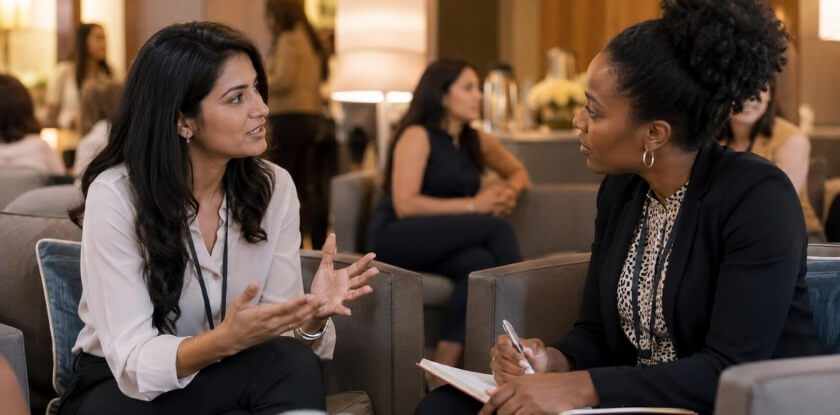
A supportive environment helps attendees feel heard and represented. This matters especially for women who often feel underrepresented in their workplace, field, or leadership space. Seeing speakers and attendees with different experiences makes future goals feel more realistic.
When someone hears how another woman handled career pressure, business uncertainty, public speaking fear, or self-doubt, the lesson feels personal and memorable. It can turn a private worry into a shared learning moment.
The lasting benefit comes after the event, and it depends on what you do next: review your notes, practice one new skill, join a professional group, or set one clear goal. Inspiration fades quickly when it is not tied to a specific next step.
Career and Workplace Benefits of Women’s Conferences
A women’s conference can support both the attendee and the organization they work for. It builds leadership readiness, communication skills, industry knowledge, professional confidence, and workplace awareness.
For career growth, conferences help attendees understand what the next level requires. Sessions on negotiation, leadership, personal branding, and communication support promotion readiness, and mentorship conversations can clarify which skills, habits, or experiences matter most for advancement.
Employers benefit when attendees return with practical ideas and stronger skills. A conference can improve how an employee communicates, manages projects, supports teammates, understands industry changes, or contributes to inclusion efforts.
You can share the value with your team after the event by:
- Presenting key takeaways in a short meeting
- Sharing useful notes or resources
- Introducing a new tool or framework
- Discussing trends from expert sessions
- Suggesting ideas for better collaboration or mentorship
Be careful with big numbers. Event promoters sometimes quote claims such as doubled promotion rates after attending. Figures like these usually come from surveys of past attendees and show an association, not proof that the event caused the result, so treat them as a reason to try one event with a clear goal, not as a promise.
When companies support women’s professional development, it can also strengthen inclusion and retention. Employees are more likely to feel valued when learning, leadership growth, and advancement are taken seriously, and organizations can build stronger internal talent pipelines instead of waiting until leadership gaps appear.
What to Expect at a Women’s Conference
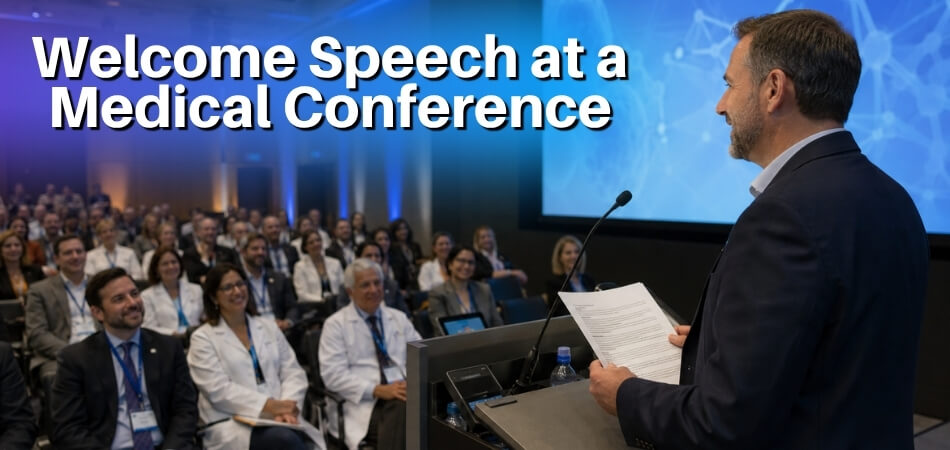
Expect registration, opening remarks, keynote talks, workshops, networking sessions, sponsor booths, resource tables, and closing reflections. The first day may feel busy, but events usually guide attendees through the schedule. The opening is usually a short welcome speech from the host that names the theme and thanks the people behind the event.
At registration you usually collect a badge, schedule, and event guide, and staff or volunteers can help with directions, room locations, or app access. Keynotes set the tone, workshops and breakout sessions give smaller learning spaces, and networking areas let you meet peers, mentors, speakers, and sponsors. Help desks usually handle schedule changes and technical issues.
Many conferences end the day with a short wrap-up. Use it to write down the names of people you met, questions you still have, and the sessions you want to attend next. These quick notes make the second day, or the post-event follow-up, much easier.
How to Choose the Right Women’s Conference
Choose the conference that matches your goals, budget, schedule, learning style, and networking needs. Compare the theme, speakers, session topics, format, audience, and past feedback. A strong title is not always the best choice; the real value depends on what the event helps you learn, do, and connect with.
- Start with your main goal: Decide what you want before looking at tickets: leadership skills, mentors, a new business, industry trends, confidence, or wellness. Then choose an event built around that purpose.
- Review the speakers and session topics: Look at the speaker list, panel themes, and workshop descriptions. Strong sessions explain what attendees will learn or take away.
- Compare the full cost: Do not look only at the ticket price. For in-person events, add travel, hotel, food, parking, and time away from work. For virtual events, check whether recordings, worksheets, networking rooms, or certificates are included.
- Check the event format: In-person, virtual, or hybrid? See the comparison in the next section.
- Consider who will attend: A conference for students will feel different from one for entrepreneurs, executives, or industry specialists. The right audience improves the value of networking.
- Read reviews or testimonials: Past attendee feedback can show whether the event was organized, practical, welcoming, and worth the cost, or too general.
- Ask one final value question: Before registering, ask: “What will I be able to do differently after this event?” If the answer is clear, the conference is more likely to be worth your time. If the agenda sounds exciting but does not connect to your needs, keep comparing options.
Virtual vs. In-Person Women’s Conferences
In-person events are stronger for networking and virtual events are cheaper and more flexible; hybrid events try to offer both. The better choice depends on your budget, comfort level, travel ability, learning style, and networking goals.
| Factor | Virtual Conference | In-Person Conference |
| Cost | Usually lower because travel is not required | Often higher due to travel, meals, and lodging |
| Access | Easy to join from home, work, or school | Requires travel to the venue |
| Networking | Uses chats, forums, video rooms, or event apps | Allows face-to-face conversations |
| Learning style | Good for flexible, self-paced learning | Good for live energy and hands-on sessions |
| Comfort | Easier for quiet or first-time attendees | Better for people who enjoy active environments |
| Flexibility | Easier to fit around daily responsibilities | Requires more time and planning |
Choose a virtual women’s conference if you want lower costs, flexible access, digital materials, and a calmer setting. It also suits people with busy schedules, limited budgets, or caregiving responsibilities. Choose an in-person women’s conference if you want stronger live networking, direct access to speakers, and a more immersive experience. Choose a hybrid conference if you want flexibility while still reaching some live features. If you live far from the venue, a virtual event also removes travel, accommodation, and visa costs. Before deciding, check whether virtual attendees get the same access to recordings, chat rooms, speaker materials, and networking tools. Some hybrid events are truly balanced, while others give more value to people attending on-site.
How to Ask Your Employer to Approve Conference Attendance
To get approval, present the conference as a professional development opportunity. Focus on the skills you will gain, how they connect to your role, and how your team or company will benefit.
Start by connecting the conference to your current responsibilities. Leadership sessions can support team management, communication workshops can improve meetings, and industry panels can help you understand changes affecting your work.
Name the specific skills you expect to develop, such as public speaking, project planning, negotiation, collaboration, business strategy, mentorship, or leadership confidence. Name the sessions you plan to attend and add the full cost, including the ticket, travel, and time away from work. Ask whether a training or professional development budget can cover it. Then explain the company benefit: you can offer to share a summary, present key takeaways, recommend useful tools, or provide notes to your team.
Sample approval request email:
Subject: Request to Attend Women’s Conference
Hello [Manager’s Name],
I would like to request approval to attend an upcoming women’s conference focused on professional development, leadership, and workplace skills.
Several sessions align with my role, especially in communication, planning, leadership growth, and team collaboration. I believe the conference would help me bring back practical ideas that support both my work and our team’s goals.
After the event, I would be happy to share key takeaways and useful resources with the team. I can also prepare a short summary of the most relevant sessions and suggest any practical ideas that may support our current projects.
Best regards,
[Your Name]
Tips for First-Time Attendees and Introverts
You do not need to meet everyone or attend every session. Plan ahead and take part in a way that feels manageable.

Review the agenda before the event and choose your priority sessions. Mark backup sessions, breaks, meals, and networking opportunities so the day feels less rushed.
If large rooms feel overwhelming, start with smaller workshops or guided breakout sessions. The topic and activity give everyone a reason to speak.
Prepare simple conversation starters, such as:
- “Which session are you looking forward to?”
- “Have you attended this event before?”
- “What brought you here today?”
- “What was your biggest takeaway from that talk?”
Arriving a little early to a session also helps, because the room is quieter and easier to start a conversation in. Use breaks to recharge. A few quiet minutes can help you stay focused for the rest of the day. If the event has online networking through an app or chat room, use it to connect in a lower-pressure way.
Set one simple networking goal, such as introducing yourself to two people, asking one question, or sending three follow-up messages after the event. Small goals reduce pressure and make the experience feel successful without constant social energy.
How to Get the Most Value From a Women’s Conference
Go with a clear purpose, then turn the experience into action after the event. These steps cover the whole cycle.
- Choose priority sessions instead of trying to attend everything. Focus on the talks and workshops that directly support your goal.
- Take notes you can use later: key lessons, useful tools, names of people to contact, questions to explore, and action steps for work, business, or personal growth.
- Ask questions during Q&A. A thoughtful question helps you understand the topic and makes you more visible to speakers and other attendees.
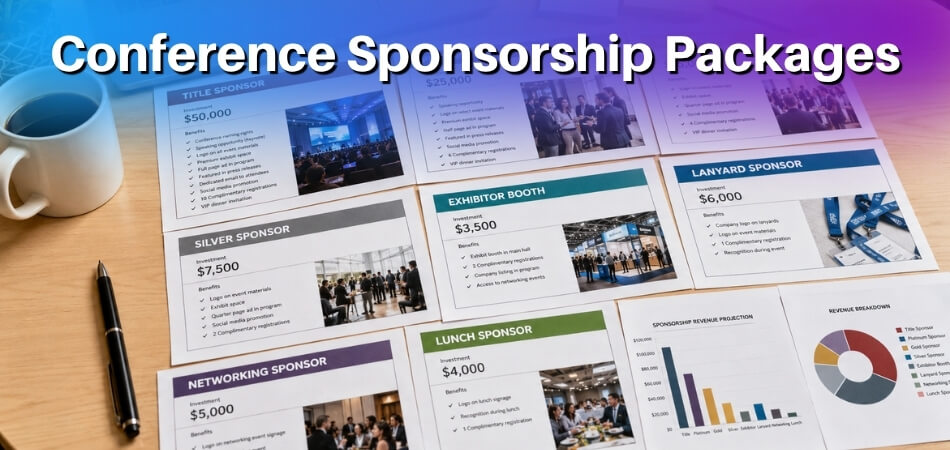
- Visit sponsor booths and resource tables with purpose. Look for tools, communities, training options, job leads, or services that match your needs.
- Follow up within a few days. Connections fade quickly when there is no second contact. A short message is enough.
- Review your notes and pick one or two actions. You might update your resume, contact a mentor, test a business idea, join a professional group, or practice a skill from a workshop. This turns the conference from a one-time event into a real step forward.
Sample follow-up message:
Hello [Name], it was good to meet you at [Conference Name]. I enjoyed our conversation about [topic] and would like to stay in touch.
Common Mistakes to Avoid at a Women’s Conference
Common mistakes include arriving without goals, overloading your schedule, avoiding conversations, skipping breaks, forgetting contact details, and never reviewing your notes. All of them are easy to avoid with simple preparation.
| Mistake | Simple fix |
| Attending without a clear goal | Decide before you arrive whether you want a skill, a mentor, career options, confidence, or business leads. |
| Trying to attend every session | A packed schedule leaves you tired and unfocused. Pick the sessions that match your goal and leave space for breaks, meals, and reflection. |
| Avoiding networking completely | You do not need to speak to everyone. Start with one conversation during a break, workshop, or lunch session. |
| Forgetting to save contact information | Save names, emails, LinkedIn profiles, business cards, or app contacts right away, with one short note on what you discussed so your follow-up feels personal. |
| Skipping breaks | Use breaks to drink water, eat, stretch, review notes, or sit somewhere quiet for a few minutes. |
| Not reviewing your notes | Go through them within a few days, highlight the strongest ideas, and choose one action. |
Inspiring Women Often Highlighted at Conferences
Women’s conferences often highlight leaders, founders, innovators, advocates, and public figures whose work shows courage, creativity, service, and long-term impact. These examples help attendees connect big ideas with real people and practical lessons.

- Business leaders and entrepreneurs: They may share how they built companies, solved problems, managed risk, or led teams. Their stories can teach planning, persistence, customer understanding, and financial awareness.
- Science, technology, and startup innovators: Women in science, healthcare, engineering, software, and startups may discuss research, product development, and problem-solving. Their stories are especially useful for attendees interested in technical fields or a career change.
- Education and human rights advocates: They show that leadership is not limited to job titles. It can also mean speaking up, serving communities, expanding access, and creating fairer opportunities.
- Public figures supporting equality and representation: Media voices, artists, and speakers may contribute when their work supports gender equality, confidence, representation, or social change. The lesson is not fame itself, but how visibility can be used with purpose.
- Everyday professionals with relatable stories: Some of the most valuable talks come from women who are still growing in their careers or businesses, because they show realistic steps, challenges, and decisions.
From our experience at MS International: We organize in-person conferences in the Greater Toronto Area. Attending as a registered listener without presenting is an option, and the moderator introduces each presenter before the presentation.
FAQ: Attending a Women’s Conference
If you have signed up for a women’s conference, the practical details still need sorting: meals, bringing a guest, attending one day only, whether men can come and volunteering.
What should I wear to a women’s conference?
Business casual is the usual safe choice, but check the event’s dress code first. Comfortable shoes help because you may move between sessions and networking areas, and a light layer helps in cold rooms. If an evening event is listed, check whether it is dressier.
Can I attend only one day?
Many conferences offer single-day tickets, but this depends on the organizer. Check the registration page for full passes, one-day passes, virtual access, or student rates.
Are meals usually included?
It depends on the event. Some conferences include meals, snacks, tea, or coffee, while others provide food only with selected ticket types. Review the event details before attending.
Can I bring a guest?
Guests usually need their own registration or ticket. Check the event policy before inviting a friend, colleague, partner, or family member.
Can men attend a women’s conference?
It depends on the event. Some women’s conferences welcome all genders, while others are for women only. Check the eligibility rules on the registration page before you buy a ticket.
Do I need a conference app or special tools?
Not always, but some events use an app for schedules, maps, reminders, and networking. Bring a charged phone, charger or power bank, notebook, pen, and any registration confirmation. For a virtual event, test your internet connection, login details, microphone, and camera before the first session.
How early should I arrive?
Aim to arrive about 30 minutes before your first session, or at the check-in time the organizer gives you. This gives you time to check in, collect your badge, find the room, and settle in.
Are photos or recordings allowed?
Rules vary by event. Some allow photos in public areas but restrict recording during sessions. Follow the organizer’s instructions and respect other attendees’ privacy.
Can students or young professionals attend?
Usually yes, but each event sets its own eligibility. Check the registration page for student or early-career rates, which may need proof such as a student ID, and for beginner-friendly workshops or mentorship sessions.
Do attendees receive certificates?
Some conferences provide certificates for attendance or completed workshops. Confirm this before registering if a certificate matters for school, work, or professional records.
Can I volunteer at a women’s conference?
Many events accept volunteers for registration, room support, guest guidance, speaker help, or event setup. Volunteering can help you learn, meet people, and gain event experience.
Final Takeaway: Why Women’s Conferences Are Worth Attending
A women’s conference is worth attending when it gives you practical knowledge, stronger confidence, useful contacts, and clearer direction. The benefits differ by person: a professional may leave with leadership strategies, an entrepreneur with business ideas or collaborators, a student with role models, and a first-timer with a better sense of what comes next.
The real value comes from what you do afterward. Follow up, share what you learned, and apply one thing right away. When you attend with purpose, the conference becomes a meaningful step toward growth, confidence, and opportunity.