
Behind every smooth registration line and well-run session room, there is usually a volunteer you barely noticed. They point you to the right hall, sort out the badge mix-up and keep the next session starting on time.
Quick answer: A conference volunteer helps organizers run the event by staffing the registration desk, guiding attendees, supporting session rooms and speakers, reporting technical problems, and helping with setup and cleanup. Volunteers work under a coordinator and do not manage the event. Shift length, benefits and pay depend on the organizer and are set per event, so confirm them before you accept a role.
For students, early-career professionals and industry newcomers, volunteering is also a practical way to gain event experience, build confidence and meet people in a professional setting. This guide covers the duties, specialized roles, a typical day, skills, training, pay and benefits, how to apply and what to expect as a first-timer.
Who Is a Conference Volunteer?
A conference volunteer is a person who gives time to help an event team manage conference activities before, during or after the event. Volunteers usually work under a volunteer coordinator, event manager, session lead, registration lead or operations team.
Volunteers serve at academic conferences, business events, medical conferences, technology summits, trade shows, workshops, networking events and virtual conferences. Their responsibilities depend on the size of the event, the venue layout, the audience and the role assigned.
Common Volunteer Profiles
Conference volunteers often include people who want experience, exposure, learning, networking, or practical involvement in a professional event. Common profiles include:
- Students who want hands-on experience
- Recent graduates building a resume or CV
- Early-career professionals exploring an industry
- Researchers or academic participants interested in conference sessions
- Community members supporting a cause or association
- Event management learners gaining real operations experience
- Industry enthusiasts who want to meet professionals and speakers
Previous event experience is not always required. Some conferences accept beginners for registration help, hallway guidance, room monitoring or attendee assistance. The most important qualities are punctuality, politeness, reliability and a willingness to follow instructions.
Why Conferences Rely on Volunteers
Large events have many things happening at once: registration lines, session rooms, speaker arrivals, sponsor booths, refreshment areas, help desks and a steady stream of attendee questions. Volunteers improve attendee flow, reduce pressure on staff, support session timing, report problems quickly and make the venue feel welcoming. Without them, organizers may struggle to handle movement, guest service and schedule changes during peak hours.
Main Duties of a Conference Volunteer
The main duties are registration support, attendee guidance, session assistance, speaker help, setup, logistics, technical reporting and post-event wrap-up. Some volunteers stay in one area for the whole shift, while others rotate between tasks as needed.
| Duty area | Typical tasks |
| Registration | Check names, scan QR codes, hand out badges, lanyards and welcome kits |
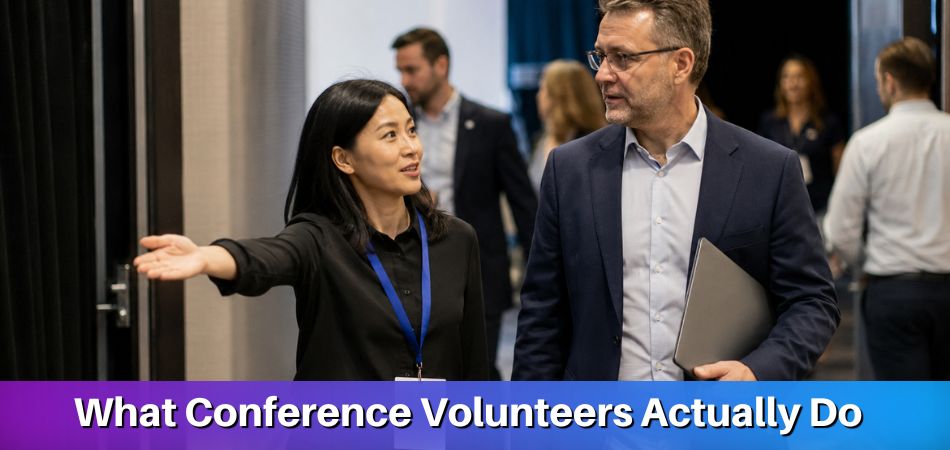
| Wayfinding | Welcome guests and direct them to rooms, booths, help desks and exits |
| Session rooms | Check room setup, guide seating, watch capacity and timing, handle microphones |
| Speaker support | Meet presenters on arrival and walk them to their room |
| Setup and teardown | Arrange chairs and signs, sort badges and kits, collect materials afterwards |
| Logistics | Deliver supplies, restock tables, assist sponsors, exhibitors or VIP guests when assigned |
| Technical reporting | Report audio, video, app or Wi-Fi problems to the right team; support chat and Q&A in virtual sessions |
These duties may look simple, but a clear direction, a fast check-in, a prepared room or a quick technical report makes the event feel far more professional.
Registration and Check-In Support
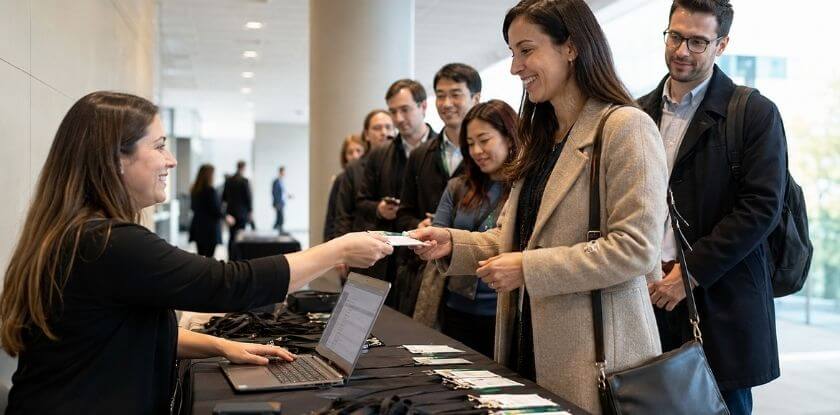
Registration is one of the busiest conference areas. Volunteers may check attendee names, scan QR codes, distribute badges and lanyards, hand out welcome kits or direct guests to the correct desk.
This role requires patience and accuracy. If a name is missing, a badge is incorrect or an attendee has a registration issue, the volunteer should inform the registration lead instead of guessing. Keeping the line moving while staying polite is the main goal.
Welcoming and Guiding Attendees
Many volunteers work near entrances, hallways, elevators, information desks or session areas. They help attendees find registration, conference halls, breakout rooms, restrooms, lunch areas, sponsor booths, help desks and emergency exits. Many attendees are unfamiliar with the venue, so clear directions reduce stress and save time.
Session Room Assistance
Session room volunteers help presentations, panels and workshops run smoothly. They may check room setup, confirm signs, welcome participants, help attendees find seats, monitor crowd flow and report issues to the session chair or event staff.
In some events, room assistants also manage microphones during Q&A, remind speakers about timing or notify staff when a room is full. Their role is to keep the session calm, organized and focused.
Speaker and Presenter Support
Speakers may need help finding the correct room, checking timing, reaching the preparation area or connecting with the session chair. Volunteers may greet presenters, escort them to the hall, guide them to the technical desk or stay nearby for simple support.
Volunteers do not usually manage speakers fully, but their help reduces delays and makes presenters feel welcomed. Good speaker support takes professionalism, respect and attention to timing.
Event Setup and Materials Preparation
Some volunteers help before the conference opens. Setup tasks may include arranging chairs, placing signs, preparing welcome kits, sorting badges, folding schedules, organizing brochures or checking registration materials.
This work may happen the day before the event or early in the morning. It requires attention to detail, because misplaced signs or mixed-up badges create confusion once attendees arrive.
Logistics and On-Site Coordination
Logistics volunteers support the movement of people, supplies and information. They may deliver materials to rooms, move light items, restock registration tables, guide exhibitors, handle lost-and-found items or report problems to the operations team.
Some volunteers act as floaters, meaning they move wherever support is needed. Floaters are especially useful during schedule changes, crowded breaks, speaker delays or unexpected requests.
Technical and Digital Support
Modern conferences use event apps, QR codes, online agendas, digital tickets, microphones, projectors, livestream tools and virtual platforms. Volunteers may help attendees use apps, find digital schedules, access Wi-Fi, or report audio, video and screen problems. They are not expected to be expert technicians unless the role specifically requires it.
Post-Event Wrap-Up Tasks
Volunteer work may continue after sessions end. Post-event tasks can include collecting signs, packing leftover materials, organizing badges, helping attendees find lost items, guiding people toward exits or supporting feedback collection. Even light wrap-up support saves the event team significant time and helps prepare for reporting, storage or the next event day.
Specialized Conference Volunteer Roles
Specialized volunteer roles focus on one event area, such as a session room, speaker movement, sponsors, content coverage, accessibility, sustainability or virtual participation. They are common at larger events where general support is not enough.
Organizers may assign these roles based on confidence, language ability, technical comfort, availability, previous experience or interest. Not every volunteer receives one, but knowing the options helps applicants understand what to expect.

Room Monitor or Session Assistant
A room monitor supports one session room during talks, panels or workshops. They check that the room is ready, guide attendees, monitor seating, watch timing and report problems to the session chair or event team.
Floater or Runner
A floater or runner moves between areas and helps wherever needed. They may deliver materials, carry messages, replace another volunteer briefly, bring supplies, guide speakers or support a busy desk. This role requires flexibility and quick response.
Speaker or VIP Escort
A speaker or VIP escort helps presenters, keynote guests, panelists or invited visitors move through the venue. They may meet guests on arrival, guide them to a lounge, take them to the correct room or connect them with organizers.
This role requires politeness, discretion and professionalism. Volunteers should avoid personal questions, interrupting private conversations or taking photos unless the organizer allows it.
Sponsor and Exhibitor Support Volunteer
Sponsor support volunteers help exhibitors or partners with basic event needs. They may direct sponsors to booths, guide attendees toward exhibitor areas, report setup issues or help manage sponsor-related traffic.
This role does not usually involve selling products or representing the sponsor. The volunteer’s job is to support smooth communication between exhibitors, attendees and the event team.
Social Media or Content Support Volunteer
A social media volunteer may help capture approved photos, collect short updates, note session highlights, support event hashtags or send content to the marketing team. Accuracy and privacy matter in this role. Volunteers should follow the event’s photo policy and avoid sharing private attendee details, restricted slides, unpublished research or closed-session content without permission.
Photography and Video Support Volunteer
Photography or video support volunteers may capture speaker sessions, audience interaction, networking moments, sponsor areas or award activities. Sometimes they assist a professional media team by following shot lists or identifying important moments. This role works best for volunteers who understand timing, respectful event coverage and content restrictions.
Accessibility and Inclusion Support Volunteer
Accessibility volunteers help attendees reach accessible entrances, elevators, seating areas, restrooms, quiet spaces, interpretation desks or assistance points. This role requires patience, respect and privacy awareness.
Volunteers should not assume what someone needs. A polite offer of help and a clear route to the right support person is usually the best approach.
Sustainability or Green Event Volunteer
Sustainability volunteers support eco-friendly conference practices. They may guide attendees to recycling points, reduce paper waste, manage reusable materials, support water refill stations or help teams follow waste-sorting rules.
Virtual or Hybrid Conference Volunteer
Virtual or hybrid volunteers support online participants. They monitor chat, collect questions, share session links, admit participants and alert technical staff when sound or video fails, which helps remote attendees feel included.
What a Conference Volunteer’s Day Usually Looks Like
A volunteer’s day usually includes check-in, a briefing, assigned duties, active support hours, breaks, role changes and a final check-out. The day can feel busy, but a clear schedule makes the work easier to manage.

A volunteer may start at registration, move to room support, guide attendees during lunch and help with cleanup near the end of the day. The workflow depends on the event program and the coordinator’s plan.
Before the shift starts, volunteers usually collect a badge, schedule, venue map, role instructions and contact details. They should confirm where to report, who supervises them, when breaks happen and what to do if an issue comes up.
During active hours, volunteers focus on assigned tasks such as check-in, room assistance, hallway guidance, speaker support or help desk duty. The busiest periods are often morning arrival, session changes, keynote sessions, lunch breaks and closing sessions.
During breaks, volunteers should rest, drink water, eat if meals are provided and prepare for the next task. If roles change, confirm the new location before leaving the current post.
After the shift ends, volunteers normally report back to the coordinator. They may return materials, share updates, report unresolved issues or help with light wrap-up work if needed.
Skills Needed to Volunteer at a Conference Successfully
A successful conference volunteer needs communication, teamwork, reliability, time management, problem-solving, patience and professional behavior. Most roles do not require advanced experience, but volunteers must follow instructions and support people calmly, because plans can change at short notice.
Communication Skills
Clear communication helps volunteers answer questions, explain directions, share updates and pass messages to the event team. Speak politely, listen carefully and avoid guessing when unsure.
Teamwork and Reliability
Conference volunteering is team-based. Arrive on time, stay at your assigned post, complete tasks properly and tell the coordinator if you need help. Reliable volunteers reduce pressure on organizers. At some events, no-shows or frequent lateness can affect a registration rebate or future volunteer eligibility, as the NAFSA 2026 Annual Conference volunteer page states.
Problem-Solving Under Pressure
Missing badges, room changes, late speakers and full rooms are common. Good volunteers stay calm, check facts, report the issue and choose the safest next step.
Time Management
Time management helps volunteers follow shift schedules, break times, session timing and role changes. Leaving a post without notice affects attendee flow and confuses the event team.
Basic Technical Confidence
Some roles involve QR scanners, event apps, microphones, slides, online platforms or digital agendas. Volunteers do not need to be experts, but basic comfort with devices is helpful, especially in hybrid events.
Patience and Calmness
Crowds, noise, delays and repeated questions can be tiring. Patience keeps volunteers polite, and calmness reduces tension when plans change or attendees feel frustrated. Conduct expectations such as dress, phone use and privacy are covered in the code of conduct section below.
Training, Orientation, and Communication Before the Event
Volunteers usually receive basic training or orientation covering their role, schedule, venue layout, communication process and safety rules. This preparation reduces mistakes and helps volunteers feel confident during busy hours.
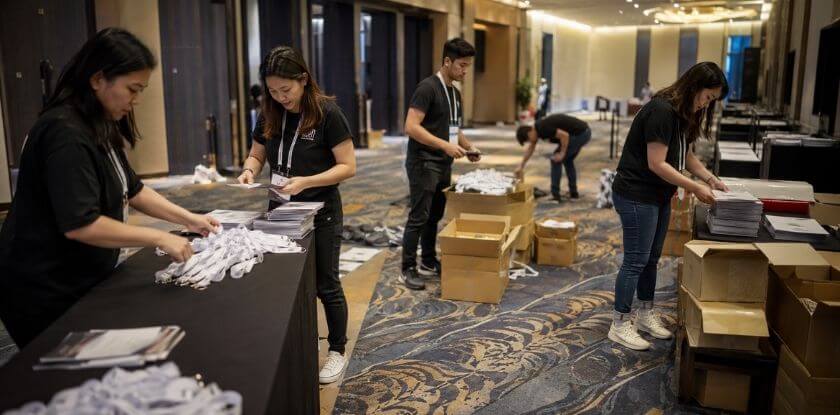
Training may be a formal session, online guide, email briefing, messaging-group update or quick meeting. Every volunteer should know what to do, where to go and who to contact.
A useful orientation may cover:
- Event purpose and audience type
- Daily program and session timing
- Venue zones and room names
- Registration process
- Volunteer dress code
- Reporting structure
- Break schedule
- Communication channels
- Emergency exits and safety points
- Accessibility support process
Role-specific instructions should explain assigned tasks in detail. For example:
- A registration volunteer needs to know how to check names and handle badge problems.
- A room assistant needs to know session timing, seating rules and reporting steps.
- A virtual volunteer needs to know how to manage chat, Q&A, links and online access.
- A speaker support volunteer needs to know where speakers should arrive and who manages them.
Communication tools may include messaging apps, walkie-talkies, phone calls, text messages or event apps. Keep messages short, clear and useful. For example, “Room B needs one extra microphone before the 2:00 PM panel” is better than “There is a problem here.”
Safety guidance should cover exits, first-aid areas, crowd movement, emergency contacts and reporting steps. Volunteers should not handle serious emergencies alone. Their role is to stay calm, follow instructions and alert trained staff quickly.
How Conference Volunteer Duties Change by Event Type
Volunteer duties change with the audience, program format, venue and event goals. An academic conference may need more session and poster support, while a business conference may need stronger registration, sponsor and networking assistance.
| Conference type | Common volunteer duties |
| Academic conference | Paper sessions, poster areas, presenter guidance, program support |
| Business conference | Registration, networking areas, sponsor booths, VIP movement |
| Technology conference | Event apps, demos, workshops, digital access, technical reporting |
| Medical conference | Access control, room monitoring, resource tables, privacy-aware guidance |
| Nonprofit or student conference | Setup, registration, workshop support, social media, cleanup |
| Virtual or hybrid conference | Chat monitoring, Q&A collection, links, online attendee support |
At academic conferences, volunteers often support paper presentations, poster sessions, panel discussions, room guidance, program distribution and presenter movement. These events require respect for formal session flow.
At business conferences, volunteers may help with guest check-in, keynote sessions, VIP movement, sponsor booths and networking zones. These events can be fast-paced and public-facing.
At technology conferences, volunteers may support digital tickets, event apps, demo rooms, workshops, Wi-Fi questions, coding sessions or product showcases. Complex issues should go to the technical team.
At medical and healthcare conferences, volunteers may assist with registration, room monitoring, access control, speaker guidance and resource tables. They should respect privacy and avoid giving medical advice.
At nonprofit, community and student conferences, volunteers may handle setup, registration, refreshments, workshop support, social media and cleanup. At virtual and hybrid conferences, the focus is on chat, questions, links and remote attendees, as described in the virtual volunteer role above.
Do Conference Volunteers Get Paid?
Conference volunteers are usually unpaid, but many events offer benefits such as free or discounted entry, meals during shifts, certificates, networking access or limited reimbursements. What you receive depends on the organizer, the event budget, the role type and local policy.
Conferences run by academic, nonprofit, association, community and student groups often rely on unpaid volunteers who give time in return for experience. Some large commercial events hire paid temporary staff, which is different from traditional volunteering.
Paid roles may be listed as event assistant, temporary staff, brand ambassador, registration staff or operations crew. They usually have clearer work hours, payment terms and employment conditions. Read the role description carefully before accepting.
Common volunteer benefits may include:
- Free or discounted conference registration
- Meals, snacks or refreshments during shifts
- Access to selected sessions outside duty hours
- Volunteer badges, shirts or event materials
- Networking opportunities with attendees and organizers
- Certificates, thank-you letters or reference letters
- Priority consideration for future event roles
Some conferences also offer travel support, local transport reimbursement, meal coverage or accommodation help, especially for student volunteers or multi-day events. These benefits are not automatic, so confirm what is covered, what receipts are needed and when reimbursement will be processed.
Examples of Published Volunteer Terms
Published volunteer pages show how different the terms can be. These three were read in October 2026, and terms change from year to year, so always read the current page of the event you want to join.
| Event page | Shift length | What volunteers receive |
| NAFSA 2026 Annual Conference | Shifts chosen through an online scheduling tool; hours are documented | A partial refund of the registration fee: 50% for 10 to 19 hours, 100% for 20 or more hours, paid 4 to 6 weeks after the conference |
| Write the Docs Berlin 2025 | Two shifts of 3 to 4 hours | A free conference ticket after two or more shifts; no travel assistance |
| ONA23 | Eight-hour shifts | One complimentary, non-transferable registration; volunteers may attend sessions outside their shifts |
Some events therefore reward hours worked with a refund, others with a free ticket. Ask before you volunteer whether you must register first and when any refund arrives.
Benefits of Volunteering at a Conference
Volunteering at a conference helps you gain event experience, meet professionals, improve communication skills and see how professional gatherings work from the inside. It is especially useful for students, new graduates, early-career professionals, researchers and people interested in event management.
Main benefits include:
- Practical event experience: learning how registration, session rooms, speaker support and logistics work
- Networking opportunities: meeting organizers, speakers, sponsors, researchers and professionals
- Session learning: attending selected talks or workshops when off duty, if allowed
- Soft skill development: improving communication, patience, teamwork and confidence
- Resume value: showing responsibility, public-facing experience and event support skills
- Career exposure: understanding an industry, academic field or professional community more closely
The value depends on how seriously you approach the role. Someone who arrives prepared and treats attendees respectfully will usually gain more.
For a stronger resume or CV, avoid writing only “conference volunteer.” Describe specific duties such as registration and check-in support, session room coordination, speaker assistance, attendee guidance, sponsor area support, hybrid event support or post-event feedback help. These details show what you actually contributed.
Challenges Conference Volunteers May Face
Volunteers may face confused attendees, long standing hours, sudden schedule changes, technical issues and small mistakes during busy moments. These challenges are normal in live events, even when the conference is well planned.

A prepared volunteer stays calm, asks for help and follows official instructions. Challenges beyond your assigned role should not be handled alone.
Confused or upset attendees should be treated with patience. Listen, give clear information, avoid arguing and report complaints or access issues to the right team lead.
Long hours can involve standing, walking, carrying light materials or moving between rooms. Comfortable shoes, water, breaks and role rotation help reduce tiredness. Tell the coordinator if you feel unwell.
Last-minute changes may involve room shifts, speaker delays, weather issues, crowding or technical problems. Confirm correct information before sharing updates with attendees. For microphone failure, projector trouble, Wi-Fi issues, app errors or scanner delays, report the problem quickly instead of trying to fix complex systems without training.
Small mistakes can happen, especially for first-time volunteers. The best response is to correct the issue, inform the coordinator if needed and learn from it. Hiding mistakes can create bigger problems.
Conference Volunteer Code of Conduct and Safety Rules
Volunteers must follow professional conduct, privacy rules, accessibility guidance, safety instructions and role boundaries while supporting the event. These rules protect attendees, speakers, organizers and volunteers from confusion or risk.
Important conduct and safety rules include:
- Be respectful: use polite language with attendees, speakers, sponsors, staff and other volunteers, and dress neatly.
- Stay focused: avoid unnecessary phone use, gossip, loud side conversations or careless behavior during duty.
- Protect privacy: do not share attendee lists, speaker details, contact information, access notes or internal instructions.
- Follow media rules: do not post photos, videos, slides or private session content without permission.
- Support accessibility: guide attendees to accessible entrances, elevators, seating, restrooms, quiet spaces or support desks.
- Know safety basics: understand exits, first-aid points, reporting steps and emergency contacts.
- Respect role limits: do not make promises about refunds, access approval, speaker changes, visa support, sponsorship or official policies unless authorized.
Volunteers represent the conference while on duty. Their language, attitude, phone use, online sharing and response to problems can affect the event’s reputation.
How to Apply for a Conference Volunteer Position
To apply, find suitable events early, read the requirements, submit a clear application, confirm your availability and respond quickly to organizer messages. A strong application shows that you understand the role.
Follow these steps:
- Find relevant conferences early. Look for events that match your field, interests, location, schedule or learning goals.
- Check the volunteer page. Review deadlines, roles, benefits, shift hours and training requirements.
- Read eligibility rules. Some events set age, student status, language, location or availability requirements, and some open volunteering only to registered attendees. If you live outside the country where the event is held, also check whether the role could count as work under that country’s immigration rules: Immigration, Refugees and Citizenship Canada (IRCC) counts unpaid activity as work when it is a job people are usually paid to do.
- Prepare a clear application. Mention communication, teamwork, punctuality, technical comfort or event interest.
- Confirm your availability. Check classes, work, exams, travel time and transport before accepting.
- Respond quickly. Organizers may need fast confirmation for scheduling and training.
- Ask practical questions. Clarify shift timing, dress code, meals, certificates, access and reimbursement if needed.
Do not exaggerate your experience. Organizers usually prefer reliable volunteers over unrealistic claims. If your availability changes, inform the coordinator early.
Tips to Succeed as a First-Time Conference Volunteer
To succeed as a first-timer, arrive prepared, follow instructions, communicate clearly, stay flexible and treat every attendee with respect. You do not need to know everything in advance, but you should be ready to learn.

Practical tips include:
- Arrive early: give yourself time to check in, collect your badge and find your assigned area.
- Bring essentials: carry your confirmation email, ID, phone charger, water bottle, notebook, pen and requested documents.
- Dress properly: choose neat, comfortable clothing and supportive shoes.
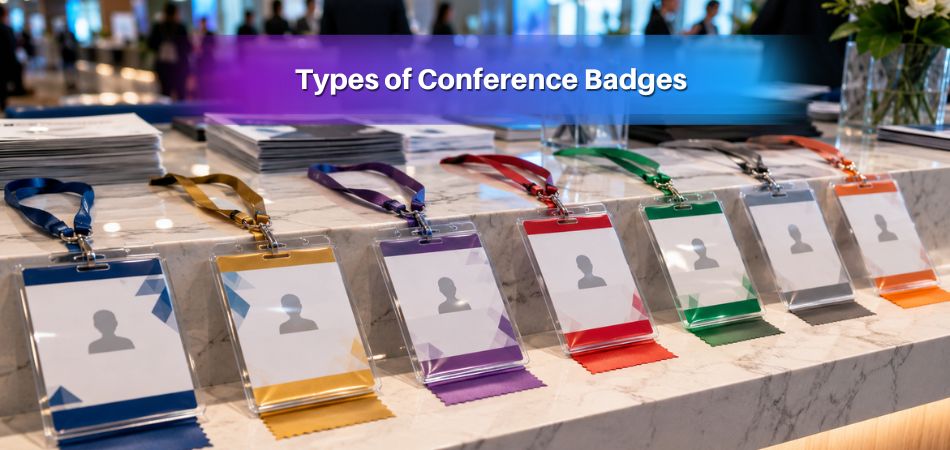
- Wear identification: use the badge, t-shirt, lanyard or wristband provided by the organizer, because staff and volunteer badges are made to stand out from attendee badges.
- Keep details handy: save the schedule, venue map, room names, help desk location and coordinator contact.
- Do not guess: when unsure, ask the team lead or send attendees to the correct desk.
- Stay flexible: room changes, delays, long lines or urgent requests may happen.
- Follow up after the event: thank the coordinator and ask politely about certificates or reference letters if offered.
From our experience at MS International: Our conferences are held in person in the Greater Toronto Area. We do not publish a volunteer programme on our website, so we cannot promise volunteer roles, shifts or benefits. If you would like to help at one of our events, contact the organisers through the email address, contact form or phone number on the website before you plan around it.
FAQ: Conference Volunteering
Thinking of volunteering at a conference? Shift length, attending sessions between duties, what to wear and who supervises you on the day are the practical matters.
What is the main purpose of conference volunteers?
The main purpose of conference volunteers is to support organizers and improve the attendee experience. They help with registration, guidance, session support, speaker assistance and basic logistics so the event runs more smoothly.
Do conference volunteers need previous experience?
Not always. It depends on the event and the role. Beginner roles such as registration help or wayfinding can be open to newcomers, while some events prefer experience for specialised or returning roles. Organizers may provide training beforehand, so read the volunteer page before applying.
Can volunteers attend conference sessions?
Often yes, when they are off duty, but it depends on the event. ONA23 welcomed volunteers at sessions outside their shifts, although some shifts required watching a particular session. Others allow selected sessions only. Always put assigned shifts first.
How long are conference volunteer shifts?
Shift length varies by event. Write the Docs Berlin 2025 asked for two shifts of 3 to 4 hours, while ONA23 used eight-hour shifts. Multi-day conferences may divide duties into morning, afternoon or evening shifts. Check the event’s volunteer page.
What should conference volunteers wear?
Neat, comfortable clothing suited to the event setting, plus comfortable shoes because volunteers may stand or walk for long periods. Many conferences provide badges, t-shirts, lanyards or wristbands.
Do volunteers work before or after the conference?
Sometimes. Some volunteers help beforehand with setup, materials, badges, signs or welcome kits, and others help afterwards with cleanup, packing, feedback forms or attendee guidance, depending on the assigned role.
Who supervises conference volunteers during the event?
A volunteer coordinator, team lead, event manager or session coordinator usually supervises them. This person gives instructions, manages shifts and handles problems volunteers cannot solve alone.
Can conference volunteering lead to future opportunities?
It can, but nothing is guaranteed. Volunteering can give you event experience, professional contacts and, if the organizer offers one, a reference or certificate. Being punctual, respectful and dependable gives organizers good reason to speak well of you.
Does MS International have a volunteer programme?
We do not publish one on our website. If you want to help at an event, contact the organisers through the official email address, contact form or phone number on the website and ask before making plans.
Conclusion
A conference volunteer supports the people, systems and details that help a conference run smoothly. Understanding what a volunteer does at a conference helps you pick the right opportunity, prepare for your duties and avoid confusion on event day.
You do not need to know everything from the start. Being reliable, respectful, prepared and willing to learn matters most, and confirming duties, benefits and shifts with the organizer before you accept keeps everyone’s expectations clear.