
A conference program looks simple on paper, but the names on it do very different jobs. One person opens the event, another debates colleagues on stage, and another teaches the room a new skill. Knowing the roles helps when you plan an event and when you hope to speak at one.
Quick answer: Conference speakers fall into roles such as keynote, plenary, invited, contributed, panelist, moderator, workshop leader, poster presenter and lightning-talk speaker. Each fits a different session: keynotes set the theme, plenaries reach everyone, panels compare views, and workshops teach skills. Names, rules and time slots vary by event, so check the programme.
Choosing the right speakers is one of the most important decisions in conference planning. Speakers influence how attendees understand the event, what they take away from each session, and how valuable the overall experience feels.
Different types of conference speakers serve different purposes. Some inspire the audience, some explain complex topics, some lead discussions, and others teach practical skills. Knowing these roles helps organizers build a stronger agenda and helps would-be speakers pick the right route onto it.
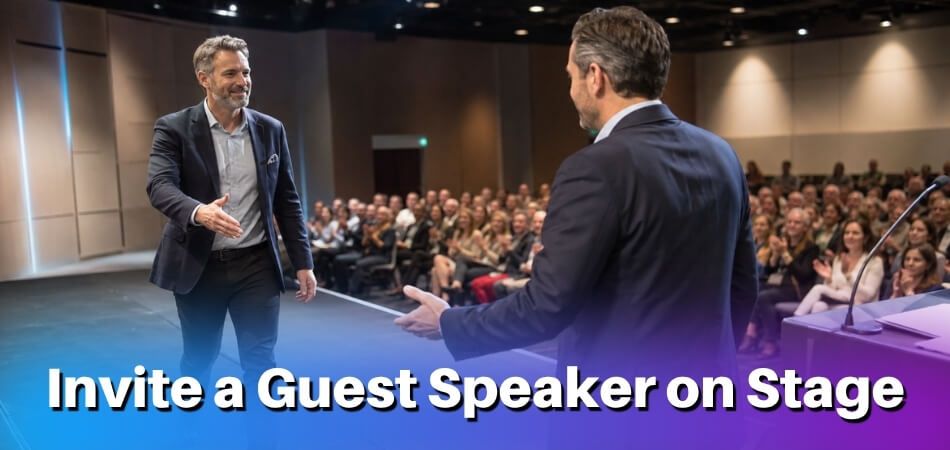
For example, a keynote speaker may open the event with a message that connects to the main theme. A plenary speaker may address all attendees on a major topic. A panel speaker may contribute expert views in a discussion, while a workshop facilitator may guide participants through hands-on learning.
Main Types of Conference Speakers
The main types of speakers at a conference are keynote, plenary, invited, contributed, guest, panel, moderator, master of ceremonies, seminar leader, workshop facilitator, trainer, industry, case study, sponsor, academic, motivational, professional, poster, lightning-talk and entertainer roles. Each one supports a different part of the conference experience.
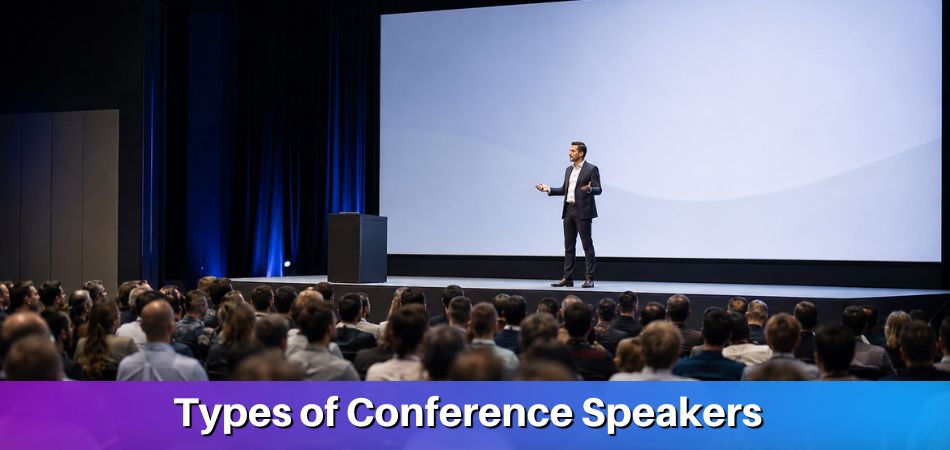
A successful conference usually uses more than one type of speaker. A balanced program may include a high-impact keynote, expert-led plenary sessions, interactive workshops, panel discussions, and specialized breakout sessions.
| Speaker Type | Main Purpose | Best Used For |
| Keynote speaker | Sets the main tone or theme | Opening or closing sessions |
| Plenary speaker | Speaks to all attendees on a key topic | Main conference sessions |
| Invited speaker | Chosen by organizers for specific expertise | Featured talks in a track or session |
| Contributed speaker | Presents work that passed review after submission | Regular paper and oral sessions |
| Guest speaker | Adds outside insight or special expertise | Featured talks or special sessions |
| Panel speaker | Shares views in a group discussion | Panels, forums, and Q&A sessions |
| Moderator | Guides discussion and manages flow | Panels and roundtables |
| Master of ceremonies (MC) | Hosts the day, introduces sessions, keeps time | Opening, transitions, awards, closing |
| Seminar leader | Explains a focused topic in detail | Educational sessions |
| Workshop facilitator | Leads interactive learning | Hands-on sessions |
| Trainer | Teaches specific skills | Professional development sessions |
| Industry speaker | Shares field-specific knowledge | Sector-based conferences |
| Case study presenter | Walks through what was done on a real project and what was learned | Breakout and practitioner sessions |
| Sponsor speaker | Represents a sponsoring organization in a slot that comes with sponsorship | Sponsored sessions, labelled as such |
| Academic speaker | Presents research or scholarly insight | Academic and research conferences |
| Poster presenter | Shows work visually and talks with visitors one to one | Poster sessions and breaks |
| Lightning-talk speaker | Gives a very short pitch of one idea | Short-talk blocks, often a few minutes each |
| Motivational speaker | Inspires action or mindset change | Leadership and closing sessions |
| Professional speaker | Delivers polished presentations | Large or formal events |
| Entertainer | Adds energy and variety | Breaks, receptions, or special programs |
The best speaker lineup depends on the event’s purpose. A business conference may need industry leaders and panelists, while an academic conference may rely more on plenary speakers, research presenters, and session moderators.
How Speakers Get Onto the Program
Speakers usually reach the program in one of two ways: the organizers invite them, or they submit work that is reviewed and accepted. Invited and keynote roles belong to the first route. Contributed talks, posters and lightning talks usually belong to the second, though some events open lightning talks to any registered delegate. What invited speakers receive, such as a longer slot, reduced registration or travel help, differs by event and is worth asking about before you accept.
Labels and time slots are not standardized, and each meeting publishes its own. Two physics meetings show the gap between the roles:
| Meeting (own speaker page) | Contributed | Invited | Plenary |
| DPG Spring Meeting 2026, Dresden | 15 minutes in total | 30 minutes in total | 45 minutes, without discussion |
| APS Division of Nuclear Physics meeting, 2024 | 12 minutes (10 plus 2) | 36 minutes (30 plus 6) | Not listed on the page |
The DPG totals include discussion and speaker change. Lightning talks are commonly capped at about five minutes, and some events set them shorter. Always read the call for papers for the real length and format.
From our experience at MS International: for most applicants, the route to our in-person Greater Toronto Area conferences is the presenting-author track: submit work for double-blind review, receive a decision, and register as an author after acceptance. Keynote and invited roles are arranged separately with the organizing team, and buying an author ticket does not create one. Speakers cover their own travel, accommodation, visa, transportation and personal expenses, and participation creates no entitlement to an honorarium, speaker fee or travel reimbursement unless MS International has agreed otherwise in writing. The moderator introduces each speaker, presentation lengths may vary, and a speaker certificate is given after presenting. Your speaker confirmation and the final programme are the official sources for your slot.
Why Conference Speakers Matter
Conference speakers matter because they give the event its substance, direction, and value. Attendees usually join a conference to learn, connect, solve problems, discover trends, or gain new ideas. Speakers help deliver those outcomes through presentations, discussions, workshops, and shared experiences.
A conference may have a strong venue, attractive branding, and a well-designed schedule, but without the right speakers, the program can feel weak. A strong speaker lineup helps the event feel purposeful and memorable.
They Shape the Event Theme and Message
Speakers connect the conference theme to the audience’s real interests. A good speaker does not simply talk about a subject; they show why it matters and how it relates to the event’s purpose.
In a business conference, a speaker may connect leadership decisions with market changes. In an education conference, a speaker may explain new teaching approaches. In a healthcare conference, a speaker may discuss trends that affect professionals and patients. Each session then supports the broader event message.
They Educate and Inform Attendees
One major role of conference speakers is to share knowledge that attendees can use. This knowledge may come through expert insight, research findings, real examples, industry updates, or practical methods.
Different speakers educate in different ways:
- Academic speakers explain research and evidence.
- Industry speakers discuss trends and challenges.
- Trainers teach practical skills.
- Workshop facilitators help attendees apply ideas.
- Panelists compare viewpoints on important topics.
They Encourage Audience Engagement
Good speakers make conferences more engaging by involving the audience in the topic. They may ask questions, share relatable examples, invite discussion, or respond to attendee concerns.
Attendees remember ideas better when they feel involved. This is why many conferences combine keynote talks, panels, breakout sessions, Q&A formats, and workshops.
They Strengthen Event Credibility
The quality of the speakers affects how people judge the conference. Respected professionals, researchers, executives, and subject-matter experts can make the event appear more trustworthy and valuable.
A credible lineup may help attract more attendees, sponsors, media interest, and networking opportunities. Credibility should not depend on fame alone, though. The best speaker is relevant, knowledgeable, and able to communicate clearly.
They Support Networking and Professional Growth
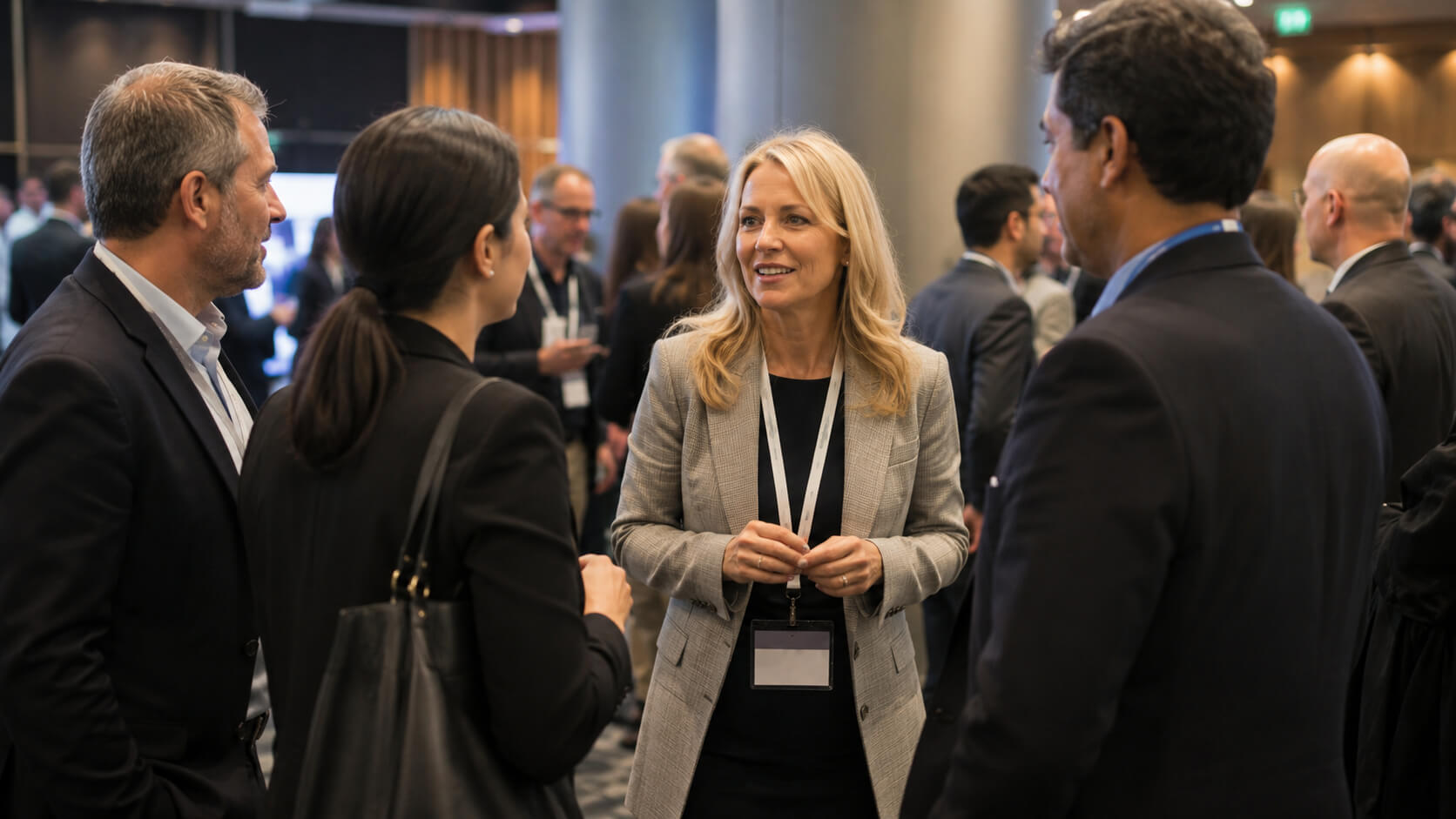
Speakers often create conversations that continue outside the session room. A strong presentation can lead to questions during breaks, new introductions, business discussions, or future collaborations. People discuss what they heard, compare opinions, and connect with others who share similar interests.
Types of Speakers at a Conference Explained
Conference speakers can be grouped by role, purpose, and session format. Some speakers lead the main message of the event, while others provide expertise, guide discussions, teach skills, or create a more enjoyable atmosphere.
Keynote Speaker
A keynote speaker delivers one of the most important presentations at a conference. Their role is to connect with the main theme and give the event a clear direction.
Keynote speakers are often placed at the beginning or end of the program. An opening keynote can build excitement and introduce the central message. A closing keynote can reinforce the event’s purpose and leave attendees with a strong final impression. A keynote is usually broad enough to interest the full audience, even when the conference includes specialized sessions.
Plenary Speaker
A plenary speaker addresses the entire conference audience during a main session. These sessions usually do not compete with other sessions, so all attendees can participate.
Plenary speakers are often selected for topics that matter to everyone at the event. Their presentations may focus on research, policy, industry changes, professional challenges, or major trends.
Invited Speaker
An invited speaker is asked by the organizers to give a talk, usually because of proven expertise in the topic. Invited talks often get a longer slot than regular submitted papers, though the length depends on the event.
Contributed Speaker
A contributed speaker presents work that was submitted and accepted through review. Contributed talks make up much of many academic programs, often in parallel sessions with a fixed time limit for the talk and questions.
Guest Speaker
A guest speaker is invited to add a special perspective or area of expertise. This speaker may not be part of the regular organizing group, but is included because their experience strengthens the program.
Guest speakers can appear in keynote sessions, panels, seminars, workshops, or featured talks. They may be business leaders, authors, consultants, researchers, educators, or professionals with direct experience in the conference topic. A guest speaker differs from a resource speaker, who is brought in to teach or train the audience in a practical skill.
Panel Speaker
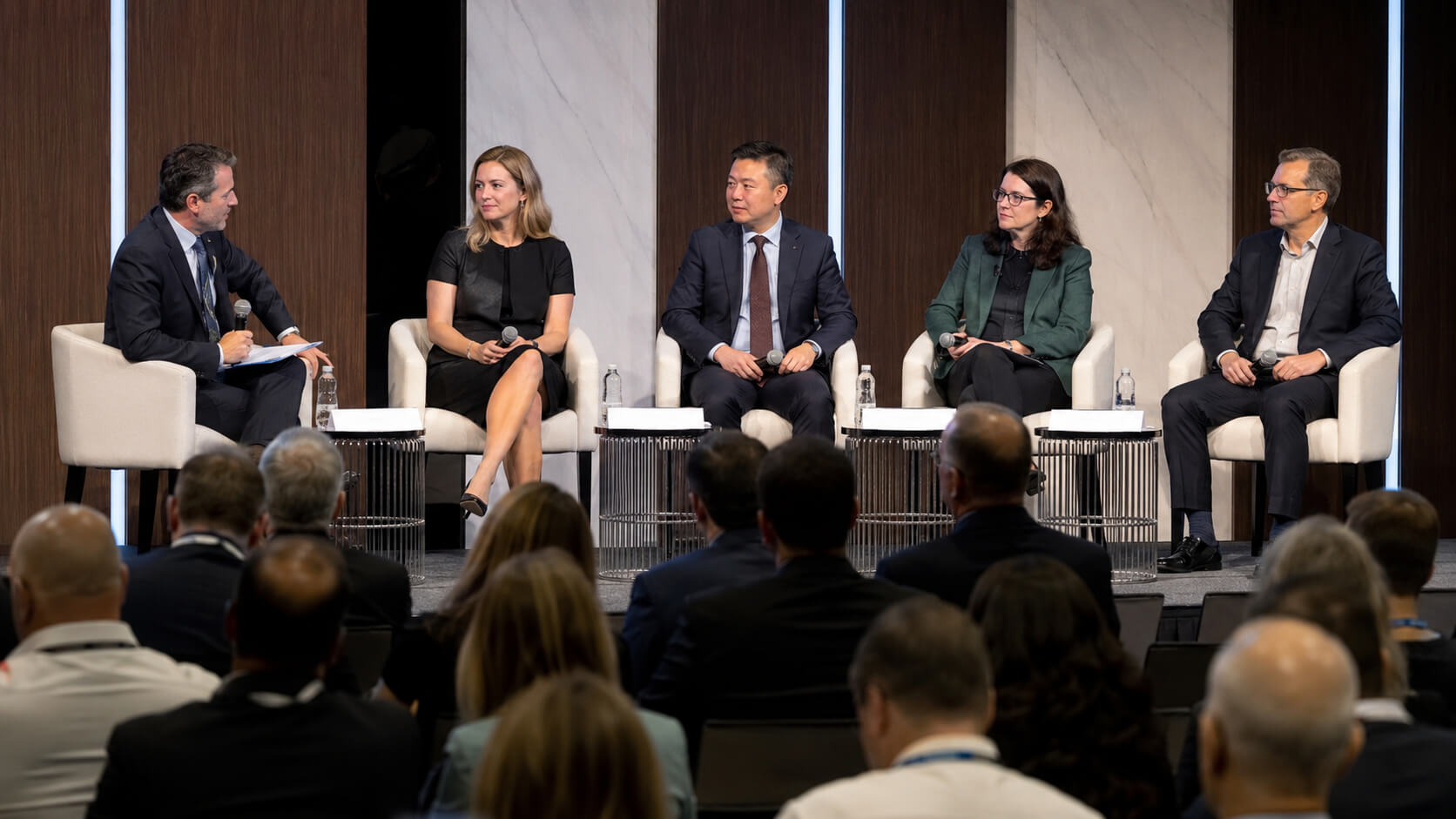
A panel speaker, or panelist, shares ideas as part of a group discussion. Instead of giving a full solo presentation, the panelist contributes opinions, examples, and expertise alongside other speakers.
Panels are useful because attendees hear multiple viewpoints in one session. This format works well for complex topics where different experiences can improve the discussion.
Moderator
A moderator guides a panel, roundtable, or discussion session. Their job is to introduce speakers, ask questions, manage time, and keep the conversation focused.
A strong moderator helps the session feel balanced. They make sure each panelist has space to contribute and that the discussion remains useful for the audience.
Master of Ceremonies
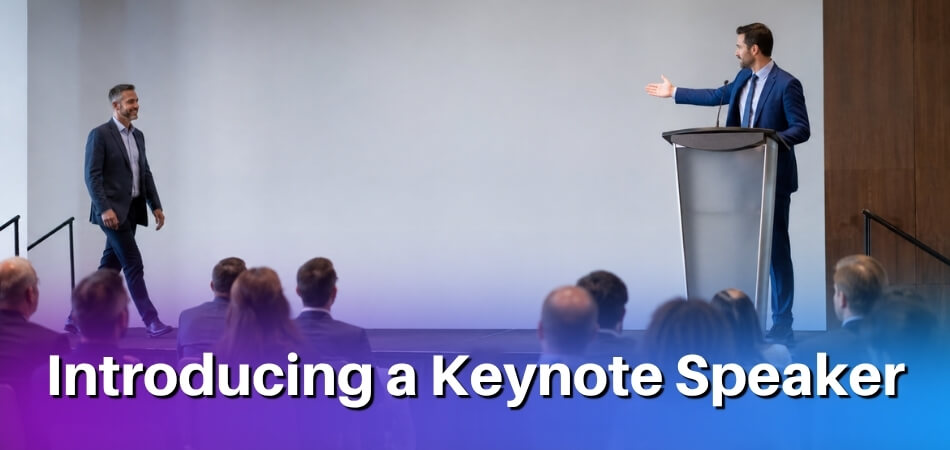
A master of ceremonies (MC) hosts the program rather than presenting a topic. The MC welcomes the audience, announces sessions and breaks, keeps the schedule moving, and introduces keynotes or award segments. In smaller events the organizer or a senior moderator often does this job.
Seminar Leader
A seminar leader teaches a focused topic in a structured way. Seminars usually go deeper than general presentations and are useful for attendees who want detailed knowledge about a specific subject.
A seminar leader may explain a concept, framework, process, regulation, or professional method. These sessions often include examples, discussion, and audience questions.
Workshop Facilitator
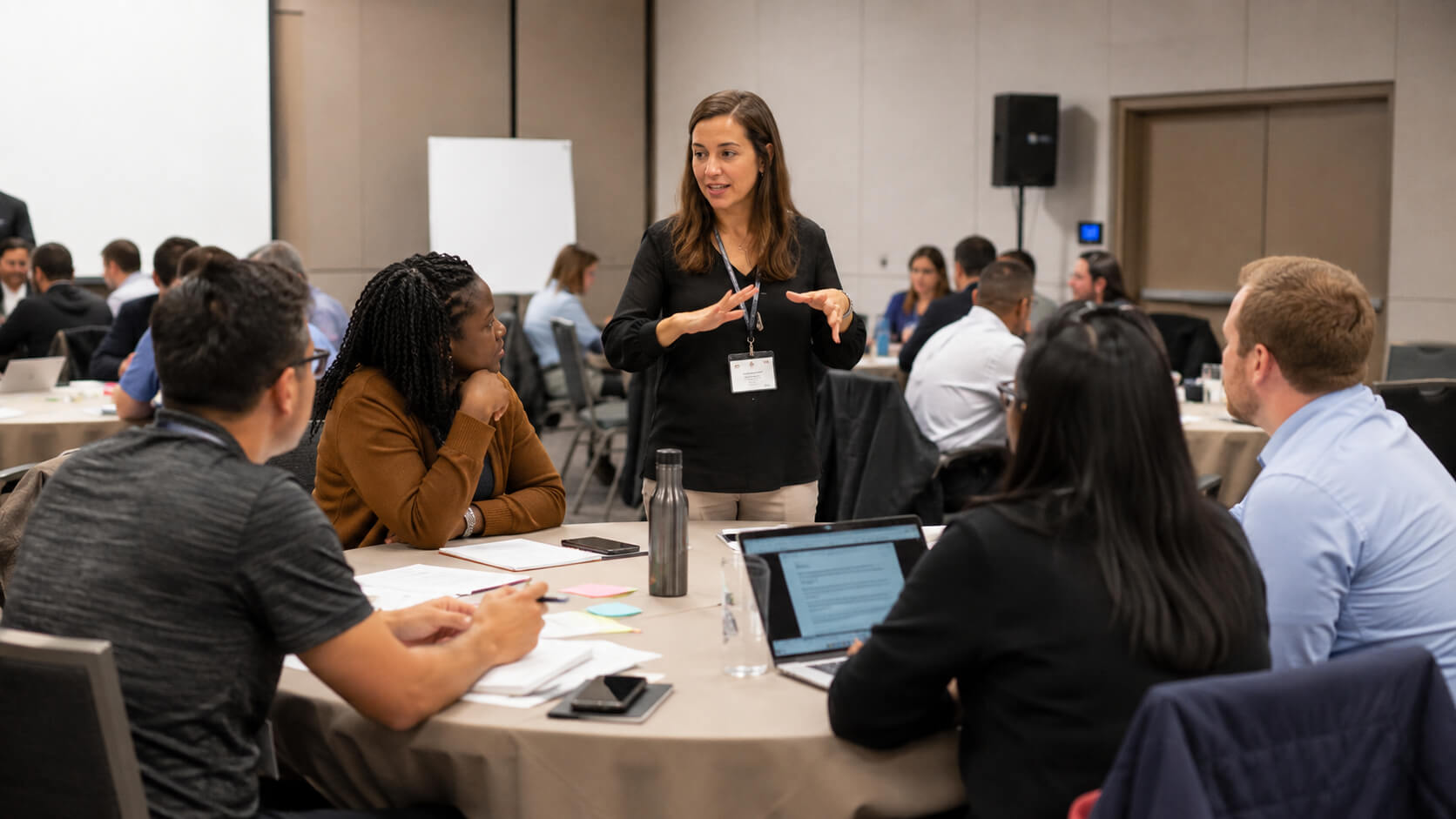
A workshop facilitator leads an interactive session where attendees participate actively. Workshops may include exercises, group activities, worksheets, demonstrations, or problem-solving tasks.
The facilitator’s role is to guide the process, explain instructions, encourage participation, and help attendees apply what they are learning. Workshops are ideal when the conference goal includes practical application.
Trainer
A trainer helps attendees develop specific skills through structured instruction. Training sessions are usually more practical and outcome-focused than standard presentations.
A trainer may teach leadership communication, project management, software use, compliance procedures, public speaking, or technical skills. These sessions often include examples, exercises, and feedback.
Industry Speaker
An industry speaker shares knowledge from a specific professional field. They may discuss market trends, regulations, innovations, customer behavior, operational challenges, or future opportunities.
Industry speakers are valuable because they bring real-world experience. Their insights help attendees understand what is changing in their field and how they may need to respond.
Case Study Presenter
A case study presenter explains what was done on a real project, what happened, and what others can learn from it. The focus is on outcomes and lessons rather than theory, so these talks suit practitioner tracks and breakout rooms.
Sponsor Speaker
A sponsor speaker represents a sponsoring organization in a slot that comes with the sponsorship. Because the talk carries a commercial interest, it is fair to attendees to label it as sponsored in the programme and keep it apart from invited or reviewed sessions.
Academic or Research Speaker
An academic or research speaker presents scholarly knowledge, studies, or evidence-based findings. These speakers are common at academic, scientific, medical, engineering, education, and research conferences.
They may present papers, case studies, literature reviews, experiments, or theoretical frameworks. Their role is to add depth, analysis, and credibility to the event.
Poster Presenter
A poster presenter summarizes a study on a printed or displayed poster and discusses it with visitors. Posters suit early-stage work and projects that benefit from one-to-one questions, because interested people can seek out the presenter and go through the details at their own pace.
Lightning-Talk Speaker
A lightning-talk speaker gives a very short presentation of one idea. Slots are commonly around five minutes or less, though the limit varies by event, and slides are kept to a few. The format rewards a single clear point rather than a full study.
Motivational Speaker
A motivational speaker encourages attendees to think differently, take action, or stay committed to a goal. Their sessions often focus on mindset, leadership, resilience, teamwork, or personal growth.
Motivational speakers are usually chosen for their storytelling ability and emotional connection with the audience. They work well in opening or closing sessions when the event needs energy and inspiration.
Professional Speaker
A professional speaker regularly speaks at events as part of their career. They are usually experienced in stage presence, storytelling, timing, audience engagement, and adapting content for different groups.
Professional speakers may speak on leadership, communication, innovation, business, technology, or motivation. Their value often comes from polished delivery and dependable performance.
Entertainer
An entertainer adds energy, variety, or relaxation to the conference program. This may include a comedian, musician, host, performer, or special guest.
Entertainers are not usually included to teach technical content. Their role is to refresh the audience and support the event atmosphere. They are often scheduled during breaks, receptions, award ceremonies, or evening programs.
Hybrid or Multi-Role Speaker
A hybrid speaker can serve more than one role in the same event. For example, one person may deliver a keynote, join a panel, and lead a workshop.
This can work well when the speaker has strong expertise and can adapt to different formats. However, organizers should avoid depending too much on one speaker. A balanced conference usually benefits from multiple voices and perspectives.
Keynote Speaker vs. Plenary Speaker: What Is the Difference?
The main difference between a keynote speaker and a plenary speaker is their purpose. A keynote speaker sets the tone, theme, or emotional direction of the event. A plenary speaker addresses all attendees on a major topic that is relevant to the full audience.
| Comparison Point | Keynote Speaker | Plenary Speaker |
| Main role | Sets the event tone or central message | Shares important knowledge with all attendees |
| Focus | Broad, strategic, inspiring, or theme-based | Expert-led, educational, or topic-focused |
| Audience | Usually the full audience | Full audience |
| Common timing | Opening or closing session | Main session during the program |
| Best for | Creating energy and direction | Building shared understanding |
Overlap and Placement
A keynote can also be a plenary session because everyone attends, but not every plenary session is a keynote. Keynotes sit at major moments such as the opening or closing, with storytelling and big-picture ideas. Plenaries often appear between breakout blocks and bring all attendees together before the program splits into smaller sessions. They are usually more educational, analytical, or expert-driven.
When to Choose a Keynote or a Plenary Speaker
Choose a keynote speaker when the event needs a strong message, direction, or emotional connection. It suits an event with a central theme, an audience that needs vision, a memorable opening or closing, or one voice to connect several topics.
Choose a plenary speaker when all attendees need to hear the same important information. It suits research updates, industry trends, policy issues, or field-wide challenges, especially when later sessions will build on the same topic.
How Different Speaker Types Fit Into a Conference Program
Different speaker types fit into a conference program based on the session goal, audience size, and interaction level. A keynote speaker may work best for a large opening session, while a workshop facilitator is better for a smaller, hands-on session.
Opening Sessions
Opening sessions need speakers who can introduce the theme, create energy, and explain the purpose of the event. This is why keynote speakers are often used at the start of a conference. An opening session may include a short welcome from the organizer, followed by a keynote speaker who connects the audience to the main theme.
Main Conference Sessions
Main conference sessions cover topics that apply to most or all attendees. These sessions are often led by plenary speakers, keynote speakers, guest speakers, industry experts, or academic speakers.
Main sessions may focus on industry trends, research developments, policy changes, leadership issues, innovation, or future opportunities.
Breakout Sessions
Breakout sessions divide attendees into smaller groups based on topic, interest, or experience level. They allow the conference to cover several subjects at the same time.
Breakout speakers may include seminar leaders, academic speakers, industry specialists, trainers, case study presenters, or guest speakers. These sessions usually go deeper into a specific topic than main sessions.
Workshops and Training Sessions
Workshops and training sessions are best for practical learning. They are usually led by workshop facilitators or trainers who can guide attendees through activities, demonstrations, or exercises. They work well when attendees need to learn a skill, practice a method, use a tool, or solve a problem.
Panel Discussions
Panel discussions work best when a topic benefits from multiple viewpoints. A panel usually includes a moderator and several panelists who discuss a central question or issue.
Panels are useful for topics involving debate, uncertainty, change, or real-world complexity.
Closing Sessions
Closing sessions help attendees reflect on the event and leave with a clear final message. A closing speaker may summarize key themes, thank participants, and encourage attendees to apply what they learned.
Common closing speakers include keynote speakers, motivational speakers, event hosts, senior organizers, or guest speakers.
How to Choose the Right Speakers for Your Conference
To choose the right speakers for your conference, start with the event goal, audience needs, session format, speaker expertise, presentation style, budget, and availability. The best speaker is not always the most famous person; it is the person who can deliver the most relevant value.
Define the Purpose of the Event
The event purpose should guide every speaker choice. A conference may aim to educate attendees, share research, support networking, promote innovation, train professionals, or inspire leadership. Once the purpose is clear, it becomes easier to select the right speaker type.
Understand the Audience’s Needs
The best speakers match the audience’s interests, experience level, and expectations. A speaker who works well for senior executives may not be the right fit for students, researchers, beginners, or technical specialists.
Organizers should consider what attendees already know, what problems they want to solve, and what type of session they expect.
Match Speaker Type to Session Format
Each session format requires a different kind of speaker. A keynote speaker may not be the best workshop facilitator. A strong researcher may not be the best panel moderator.
| Session Format | Best Speaker Type |
| Opening session | Keynote speaker or host |
| Main session | Plenary speaker or guest speaker |
| Breakout session | Seminar leader or specialist |
| Panel discussion | Panelists and moderator |
| Workshop | Workshop facilitator |
| Training session | Trainer |
| Closing session | Keynote or motivational speaker |
Review Expertise and Credibility
A conference speaker should have real knowledge or experience related to the topic. Expertise may come from professional work, academic research, leadership, technical skill, or direct field experience.
Organizers should review the speaker’s background, previous talks, publications, case studies, and relevance to the conference theme.
Evaluate Presentation Style
A speaker’s delivery style should match the tone and format of the event. Some speakers are energetic and story-driven. Others are analytical, instructional, conversational, or research-focused.
Past presentation videos, webinar recordings, sample slides, or audience feedback show whether the speaker fits the event.
Consider Budget, Availability, and Logistics
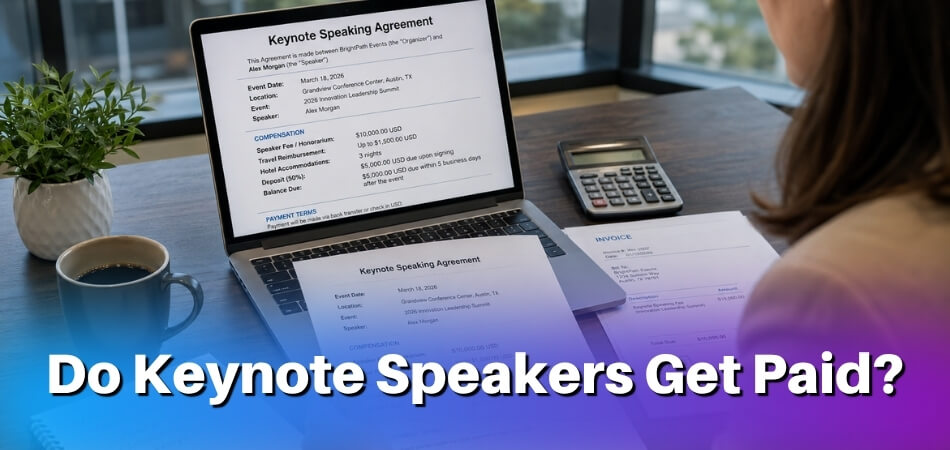
Speaker selection must also fit practical event limits. Important details include speaking fees, travel, accommodation, event date, session length, technical requirements, and whether the event is in person or virtual.
For international conferences, organizers may also need to consider time zones, travel documents, visa requirements, and communication timelines.
Confirm Expectations in Writing
All important details should be confirmed in writing after a speaker is selected. This helps avoid confusion and gives the speaker clear direction.
A written confirmation should include the session title, date, time, duration, topic, format, audience profile, fee, travel details, technical needs, and deadlines for materials.
Qualities to Look for in a Good Conference Speaker
A good conference speaker should have relevant knowledge, clear communication, audience awareness, useful takeaways, strong delivery, and professional reliability. These qualities matter across all speaker types.
Subject-Matter Knowledge
Strong subject knowledge is the foundation of an effective presentation. The speaker should understand the topic well enough to explain it clearly, answer questions, and connect it to real situations.
Clear Communication
A good speaker makes complex ideas easier to understand. They organize their points, use relevant examples, avoid unnecessary confusion, and answer questions directly.
Audience Awareness
Audience awareness means the speaker adjusts the message to the people in the room. A session for beginners should not sound the same as a session for advanced professionals. The speaker should consider the audience’s knowledge level, goals, challenges, and expectations.
Practical Takeaways
A valuable speaker gives attendees something they can use, remember, or think about after the event. This may be a framework, checklist, strategy, research insight, practical method, or new perspective.
Strong Delivery and Stage Presence
Strong delivery helps keep attendees focused. A speaker should have confident pacing, clear voice, appropriate energy, useful visuals, and smooth handling of questions. Stage presence is especially important for keynote, plenary, and motivational speakers because they often address larger audiences.
Reliability and Professionalism
A good speaker should be reliable before, during, and after the event. They should respond clearly, meet deadlines, arrive on time, follow the agreed format, and cooperate with organizers and technical teams. Professionalism affects more than one session. It supports the overall flow of the conference.
Common Mistakes to Avoid When Selecting Conference Speakers
Common mistakes include choosing fame over relevance, ignoring audience expectations, booking too many similar speakers, using the wrong format, failing to review past presentations, and leaving content expectations unclear.
Choosing Fame Over Relevance
A popular speaker is not always the right speaker for a specific conference. Name recognition can help promotion, but it does not guarantee useful content. The speaker must be able to address the audience’s real interests and connect their message to the event theme.
Ignoring Audience Expectations
A speaker lineup can fail when it does not reflect what attendees came to learn or experience. Some audiences want technical knowledge. Others want research, training, discussion, inspiration, or networking. Review attendee profiles, past feedback, and topic demand before confirming speakers.
Booking Too Many Similar Speakers
A conference becomes repetitive when too many speakers cover the same ideas in the same style. A strong agenda should include different voices, formats, backgrounds, and topic angles.
For example, a leadership conference may include a keynote, an executive panel, a training session, and a workshop instead of several similar lectures.
Overlooking Session Format
Not every speaker is effective in every format. A great keynote speaker may not be ideal for a panel, and a strong academic presenter may not be comfortable facilitating a workshop. The speaker should match the session’s purpose, whether it requires storytelling, teaching, discussion, facilitation, or technical explanation.
Failing to Review Past Presentations
Hiring a speaker without reviewing previous work can lead to problems. A speaker may have strong credentials but may not communicate clearly or manage time well. Review videos, recordings, references, feedback, or sample materials before confirming.
Leaving Content Expectations Unclear
Speakers need clear guidance to prepare the right session. Explain the topic, audience level, session goal, timing, interaction level, technical requirements, and expected takeaways. Clear communication helps the speaker align with the full conference program.
Best Speaker Mix for a Successful Conference
The best speaker mix depends on the event’s purpose, audience, subject area, and desired attendee experience. Most conferences benefit from a blend of big-picture speakers, subject experts, discussion leaders, and interactive facilitators.
For Educational Conferences
Educational conferences need speakers who can explain ideas clearly and support learning. A strong mix may include a keynote speaker, academic speakers, seminar leaders, workshop facilitators, trainers, and panelists. This gives attendees both knowledge and practical application.
For Business and Leadership Conferences
Business and leadership conferences need speakers who combine strategy, experience, and practical guidance. A useful lineup may include a keynote speaker, industry speakers, guest speakers, trainers, motivational speakers, and executive panelists. The program should include both inspiration and actionable business insight.
For Academic Conferences
Academic conferences need speakers who can present research and encourage scholarly discussion. The best mix may include plenary speakers, academic speakers, research presenters, moderators, panelists, and workshop facilitators. In academic settings, credibility, evidence, and subject depth are especially important.
For Industry-Specific Conferences
Industry-specific conferences need speakers who understand the field’s current challenges and opportunities. A strong lineup may include industry speakers, plenary speakers, guest experts, panelists, trainers, and workshop facilitators, so attendees get relevant updates and practical insight connected to their profession.
For Networking-Focused Events
Networking-focused conferences need speakers who can start conversations and create shared points of connection. This type of event may include a host, keynote speaker, guest speaker, panelists, moderator, and entertainer. The best speakers for these events make the audience feel involved and give attendees something meaningful to discuss.
FAQ: Conference Speaker Types
Building a speaker lineup? Planners weigh who should open, who suits technical sessions, whether entertainers count and how invited speakers differ from contributed ones.
What is the most important speaker at a conference?
The keynote speaker is usually the most visible, because the role sets the event’s tone, theme, and direction. Fit with the theme matters more than fame, though, and the most important role depends on the conference goal. In academic events, plenary or research speakers may matter most, while training events may depend more on trainers or workshop facilitators.
How many speakers should a conference have?
There is no fixed number: it depends on event length, parallel tracks, audience size, and topic range. One speakers bureau suggests one to three major keynotes, with a single headline keynote for events shorter than two days. Contributed and breakout slots then fill the rest, so focus on relevance and balance rather than a head count.
Can one person serve as both keynote and workshop speaker?
Yes, one speaker can do both when they handle each format well. A common pattern is a keynote that introduces a big idea, followed by a smaller workshop where attendees apply it through exercises and guided activities. Agree both slots in writing.
What type of speaker is best for opening a conference?
A keynote speaker is usually the best choice for opening a conference because they introduce the theme and build audience interest. The opening may also include a short welcome from the organizer or host, but the keynote should give attendees a clear reason to stay engaged.
What type of speaker is best for technical sessions?
A subject-matter expert, industry speaker, academic speaker, trainer, or seminar leader is best for technical sessions. These speakers can explain detailed topics accurately and clearly. For hands-on technical learning, a trainer or workshop facilitator may be more useful than a standard presenter.
Are entertainers considered conference speakers?
Entertainers can be considered conference speakers when they are included in the official program to engage the audience. Their role is different from expert speakers because they focus on energy, enjoyment, and atmosphere, often during breaks, receptions, award ceremonies, evening programs, or closing segments.
What is the difference between an invited and a contributed speaker?
An invited speaker is asked by the organizers, while a contributed speaker submits work that is reviewed and accepted. Invited slots are often longer: the DPG Spring Meeting 2026 lists 30 minutes for invited and 15 for contributed talks. Check the call for papers for the exact format.
Do speakers at MS International conferences get paid?
Do not assume so: speakers cover their own travel, accommodation, visa, transportation and personal expenses unless MS International agrees otherwise in writing. An honorarium, speaker fee or travel reimbursement applies only if confirmed in writing, so ask before you commit.
Final Thoughts on Choosing Conference Speakers
The different types of speakers at a conference each play a specific role in shaping the attendee experience. A keynote speaker may provide direction, a plenary speaker may share expert insight, a panelist may add perspective, and a workshop facilitator may help attendees practice new skills.
The best conference programs are planned with purpose. Instead of choosing speakers only by popularity or availability, organizers should match each speaker to the event goal, audience needs, and session format. If you want to speak rather than book speakers, start with the author route and check the conference page for the submission deadline.