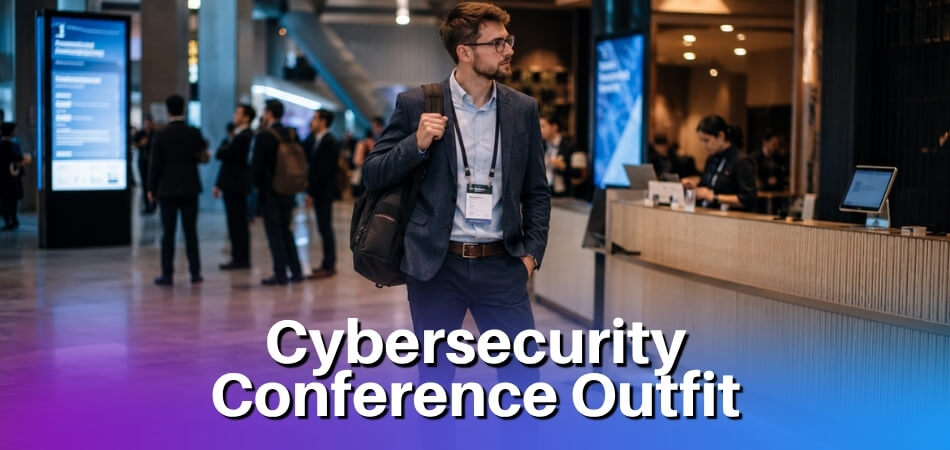

You are packing for a cyber security event and cannot decide between a blazer and a hoodie. Both can be right, depending on who is in the room.
Quick answer: Usually no. Many cyber security conferences set no formal dress code, but some publish one, so read the event’s own guidance first. Community and hacker events are relaxed, while corporate and government events lean smart casual to business casual. Business casual is the safest default when you are unsure. If the event says nothing, ask the organizer.
Last verified against official sources: October 2026.
Cyber security events bring together technical experts, ethical hackers, researchers, executives, government representatives, vendors, students, and hiring teams. Because of that mix, you may see someone in a blazer sitting beside someone in a hoodie and sneakers. The sections below explain what each type of event expects and how to check before you pack.
What Is the Usual Dress Code for a Cyber Security Conference?
The usual expectation is business casual, although smart casual is also common at more relaxed technical or community-led events. Business casual sits between formal office wear and everyday casual clothing. It works for attendees, speakers, sponsors, recruiters, exhibitors, and students alike, though each role may dress a little differently.
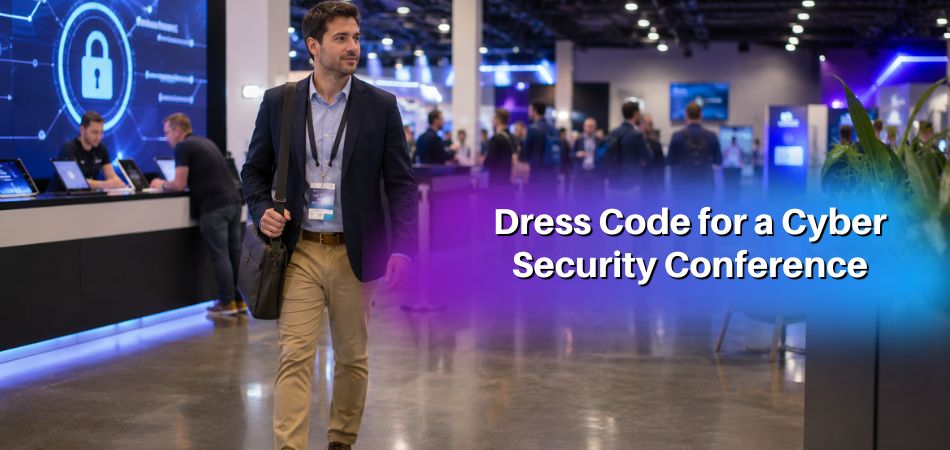
Business casual may include:
- A collared shirt, blouse, polo, sweater, or neat top
- Chinos, dress pants, khakis, dark jeans, or a modest skirt
- A blazer, cardigan, or light jacket
- Loafers, flats, dress shoes, boots, or clean professional sneakers
- Simple accessories and a tidy conference bag
Smart casual can also be suitable, especially for hands-on labs, hacker events, startup-focused conferences, student sessions, or open-source communities. In these settings, clean jeans, sneakers, hoodies, and tech T-shirts may be normal. Casual clothing should still look neat and respectful.
If the event has multiple tracks, dress for the most professional part of your day. A workshop in the morning and a recruiter meeting in the afternoon call for one outfit that works for both, not one chosen for the most casual session on the agenda.
When the event does not mention a dress code, choose business casual. It reduces decision stress, because small changes adjust it either way: adding a blazer makes the look more formal, while removing the blazer or wearing clean sneakers makes it more relaxed.
What Do Well-Known Cyber Security Events Say About Dress?
A few events publish a dress rule, and the big community events set very little. Rules change between years, so treat the table as a guide and read the current attendee pages for your own event.
| Event | What its own pages say |
|---|---|
| RSA Conference | Its Code of Conduct encourages business casual, such as slacks, collared shirts, blouses, blazers, untorn jeans, and comfortable shoes. Business suits are acceptable. Clothing with offensive language or images is not appropriate. |
| DEF CON | The official FAQ sets no dress code and says the answer depends on what you plan to do there. It suggests dressier or playful outfits if you plan to join the evening music events. |
| Black Hat | Its public attendee pages set no dress code. The 2025 welcome page stresses comfortable shoes because of the long walks between sessions. |
| CYBER.ORG events | Its event code of conduct encourages business casual in person, including untorn jeans, and asks for clothing that is clean, free of tears, and professional. Virtual attendees should dress for the camera. |
| CyFy 2022 (ORF) | Its participation charter required formal attire (business formal or national dress). |
| techUK Cyber Security Dinner | The 6 October 2026 event listing gave the dress code as business attire. |
The pattern is simple: a published rule beats any general advice, and the more formal the event, the more likely a rule exists. Exhibitor and booth staff can face stricter rules than attendees. When RSA Conference told exhibitors its rules in 2015, press reports said revealing outfits were banned from the show floor, so sponsors should read their own exhibitor guidelines.
Why Dress Code Matters at Cyber Security Conferences
Even without strict rules, clothing affects first impressions, networking comfort, and how professionally you are perceived. Your knowledge and skills matter most, but appearance still shapes how people respond during short conference interactions.
Cybersecurity conferences are busy. You may only have a few minutes with a recruiter, sponsor, speaker, researcher, or potential collaborator, and a neat outfit helps you appear prepared before the conversation begins.

Professional First Impressions
A professional appearance signals that you take the event seriously. This helps when you are meeting employers, representing your company, presenting research, or talking with senior professionals.
You do not need a suit for every conference. Clean, well-fitted, intentional clothing is usually enough, and a simple business casual outfit looks credible while still fitting a tech-focused environment.
Networking and Approachability
If you look too casual at a formal event, you may feel underprepared. If you dress too formally at a relaxed community event, you may feel out of place. Business casual often works because it looks professional but not distant, so conversations with speakers, recruiters, exhibitors, and students start more naturally.
Comfort During Long Sessions
One day can include keynotes, technical sessions, product demos, lunch meetings, workshops, and evening receptions. Clothing that feels uncomfortable distracts you from learning and networking.
Choose breathable fabrics, comfortable shoes, and layers. Conference halls are often cold, while travel routes and crowded areas may feel warm. A light jacket, cardigan, or blazer lets you adjust without losing a professional look.
Respect for Event Culture and Venue
A hotel-based corporate summit feels different from a university research event or a hacker meetup. Dressing for the venue and audience shows awareness of the setting.
The goal is not to copy everyone else. It is to respect the setting while staying comfortable and authentic, so your clothes never stop you from asking questions, joining workshops, or walking into a room where you know nobody.
Cyber Security Conference Dress Code by Event Type
Dress expectations change with the event type: the more business-focused the event, the more polished the outfit; the more technical or community-led, the more relaxed.
| Event type | Usual dress | Avoid |
|---|---|---|
| Corporate summit | Business casual to business professional | Worn or graphic casual wear |
| Academic or research | Business casual | Looking too casual when meeting supervisors |
| Hacker, tech, or community | Smart or neat casual | Offensive slogans, worn-out clothing |
| Government, policy, legal | Business casual to business professional | Hoodies, graphic T-shirts |
| Exhibitor or sponsor booth staff | Business casual, or whatever the exhibitor rules say | Revealing or offensive clothing |
| Virtual | Neat professional top | Busy patterns, distracting logos |
| International | Business casual, plus one dressier option | Ignoring local norms and weather |

Corporate Cyber Security Conferences
Corporate events usually call for business casual or business professional attire. They often include executives, consultants, vendors, enterprise security teams, recruiters, and sponsors.
Good choices include button-down shirts, blouses, polos, dress pants, chinos, blazers, loafers, flats, or clean professional shoes. If you attend as a company representative, sponsor, exhibitor, salesperson, or job seeker, dress slightly more professionally than a regular attendee.
Academic and Research Conferences
Academic and research conferences are usually professional but not extremely formal. Attendees may include professors, students, researchers, paper presenters, and technical specialists.
Business casual is usually the best fit. Presenters may choose a blazer or more polished outfit for paper presentations, poster sessions, or panels. Students should avoid looking too casual if they plan to meet supervisors, collaborators, or future employers.
Hacker, Tech, and Community-Led Events
These events often focus on ethical hacking, penetration testing, bug bounty work, capture-the-flag activities, open-source tools, or hands-on labs, and the mood is relaxed.
Smart casual or neat casual attire is often acceptable. Clean T-shirts, hoodies, jeans, sneakers, and tech-branded clothing fit the culture. Avoid offensive slogans, worn-out clothing, or anything that distracts from professional interaction.
Government or Policy-Focused Cyber Security Events
Government, defense, policy, legal, privacy, and compliance events usually lean more formal. The audience may include public-sector officials, law enforcement representatives, lawyers, risk officers, executives, and regulators.
Choose business casual to business professional attire. A blazer, formal shirt, dress pants, or polished shoes is usually safer than jeans, hoodies, or graphic T-shirts.
Virtual Cyber Security Conferences
Virtual conferences are more flexible, but you should still look presentable on camera. Wear a neat professional top, such as a shirt, blouse, sweater, polo, or blazer, and check your background, lighting, and camera angle.
Avoid busy patterns, distracting logos, or clothing that blends into your background. If you are presenting, treat the session like a recorded professional appearance.
International Cyber Security Conferences
Travelling abroad adds culture, climate, venue standards, and travel needs to the picture. Business casual is usually the safest starting point because it works across many professional settings.
Consider the host country’s business norms, local weather, religious or cultural expectations, and whether the agenda includes receptions, dinners, or formal meetings. Packing one slightly more formal option is useful. This matters most if you travel from another country, apply for roles there, or represent an institution.
What to Wear to a Cyber Security Conference
A neat, comfortable outfit that matches the event’s level of formality is the right answer. It should let you sit through sessions, walk between rooms, speak with exhibitors, and attend networking events without discomfort.

Business Casual Outfit Ideas
Business casual is the most reliable option for corporate events, academic sessions, recruiter meetings, sponsor booths, and general networking. The list in the first section covers the pieces; keep everything clean, well-fitted, and easy to wear for a full day, and skip flashy accessories or anything that needs frequent adjustment.
For multi-day conferences, repeatable formulas help. You might pack two shirts, one blazer, one pair of chinos, one pair of dark jeans, and comfortable shoes that work with everything. This keeps your luggage lighter while giving you enough variety.
Smart Casual Outfit Ideas
Smart casual suits relaxed technical events, workshops, startup conferences, and community gatherings. It looks more casual than business casual but should still appear intentional. Examples include:
- Dark jeans with a polo or plain T-shirt
- Tech T-shirt under a blazer or overshirt
- Hoodie with clean jeans and simple sneakers
- Casual shirt with chinos
- Sweater with neat trousers or dark denim
Choose clean shoes, wrinkle-free clothing, and simple layers so the look does not seem careless.
Formal Outfit Ideas for Keynotes or VIP Sessions
Dressier business attire may be useful for keynote sessions, VIP meetings, award programs, formal dinners, sponsor meetings, or executive networking. Options include a suit, blazer and trousers, formal shirt, professional dress, polished shoes, or structured outerwear. Speakers, moderators, sponsors, and company representatives may benefit most from this style.
Regular attendees usually do not need full formal clothing unless the invitation or agenda mentions it. Bringing one blazer or formal layer still helps if the schedule changes.
Comfortable Footwear and Practical Accessories
Conference days involve walking, standing, and moving between halls, so comfort comes first. Pick shoes you can stand and walk in all day.
Useful accessories include a laptop bag, notebook, pen, portable charger, business cards if you use them, and a light jacket. Keep your bag organized and avoid carrying too much, so you can focus on the event instead of your clothing.
Can You Wear Jeans, T-Shirts, or Sneakers?
Yes, jeans, T-shirts, and sneakers can be acceptable at many cyber security conferences, but they must look clean and fit the event. They are common in technology spaces, especially at casual, technical, and community-led events.

When Jeans Are Acceptable
Jeans work when they are clean, dark, and not heavily ripped or faded. They suit workshops, startup events, student sessions, technical labs, informal meetups, and community conferences.
To look more professional, pair them with a collared shirt, polo, blouse, blazer, cardigan, or neat sweater. For corporate, government, or executive-level conferences, chinos or dress pants may be safer.
When Tech T-Shirts Work Well
Tech T-shirts fit relaxed events, especially when they relate to software, security, open-source communities, or the conference itself. They are common at hacker events, CTF sessions, and hands-on workshops.
Avoid shirts with offensive jokes, aggressive slogans, or distracting graphics. A plain or event-branded T-shirt under a blazer, jacket, or overshirt is the safer look.
When Sneakers Are Appropriate
Sneakers are fine when they are clean, simple, and suitable for a professional venue. They are practical for large convention centers and long days.
For formal sessions, government events, or executive meetings, choose loafers, flats, dress shoes, or polished boots. Convention centers, university campuses, and hotel conference areas often involve more walking than expected, so shoes that are supportive and already broken in beat brand-new formal ones.
What to Avoid Wearing
Avoid clothing that looks careless, distracting, offensive, or unsuitable for a shared professional space: stained clothing, ripped outfits, gym wear, beachwear, sleepwear, flip-flops, or slogans that may make others uncomfortable. A good rule is to dress one step more polished than your everyday casual outfit.
Dress Code Tips for Speakers, Panelists, and Presenters
Speakers, panelists, and presenters should dress slightly more professionally than general attendees. Their clothing should support confidence, comfort, and visibility, especially on stage or camera.
Dressing for Stage Presence
Choose clothing that looks polished and allows easy movement. A blazer, professional shirt, blouse, polo, dress pants, chinos, modest skirt, or clean formal shoes can work well. Match the audience: a corporate or government event may call for a sharper look, while a technical community event may allow polished smart casual.
Dressing for Recorded or Livestreamed Sessions
Solid colors or simple patterns look better on camera than tiny stripes or busy prints. Avoid noisy accessories, reflective items, or clothing that blends into the background.
Check how your outfit looks both sitting and standing. Event photos and recordings may appear later on websites, social media, or promotional materials.
Balancing Authority With Personal Style
Presenters can show personal style as long as it does not distract from the message. A subtle color, cultural clothing, a clean tech-branded item, or a simple accessory can work when it fits the setting.
Think about lapel microphones, badges, and slides too. A stable neckline or jacket edge makes microphone placement easier, and simple colors keep attention on the presentation.
Dress Code Tips for Networking Events and Receptions
Networking events and receptions usually need an outfit that is professional, approachable, and comfortable for conversation. Settings include coffee breaks, recruiter meetings, sponsor receptions, dinners, or informal meetups.
Evening Networking Sessions
Evening sessions often call for a slightly more polished version of your daytime outfit. A blazer, cardigan, smart jacket, neat top, chinos, dress pants, dark jeans, or polished shoes can work well. In a hotel ballroom or restaurant, lean business casual. In a casual community space, smart casual may be enough.
Business Meetings With Sponsors or Recruiters
For sponsors, recruiters, employers, or business contacts, business casual is the safest choice, since these conversations may affect job opportunities, partnerships, internships, or referrals.
Choose a polished top, neat trousers or skirt, comfortable professional shoes, and a tidy bag. Keep your badge visible and your contact details easy to share.
Informal Meetups and Community Gatherings
Informal meetups allow hoodies, jeans, sneakers, and conference T-shirts, as long as the outfit is clean and respectful. Even casual events can include recruiters, senior professionals, or future collaborators.
How to Check the Dress Code Before Attending
Review the event’s own details before you pack. If the organizer gives no direct rule, use the event type, venue, audience, and schedule to guide your choice.
Review the Event Website and Agenda
Check the registration page, FAQ, attendee guide, email updates, and agenda. Look for keynote sessions, gala dinners, VIP meetings, sponsor events, workshops, labs, career fairs, or government panels. Formal sessions usually need a more polished look, while hands-on labs and technical workshops may allow smart casual.
Check Venue, Location, and Weather
A hotel or convention center usually suggests business casual. A university or coworking venue may be more flexible. A government or corporate office may call for a more professional outfit. Weather matters too, especially for international events. Pack breathable clothing for warm climates and layers for cold venues or cooler seasons.
Look at Photos From Previous Events
Speaker galleries, social media posts, recap pages, and sponsor photos show the real dress culture. If many people wore blazers, choose business casual. If many wore hoodies and jeans, smart casual is probably fine.
Ask the Organizer When Expectations Are Unclear
Asking is especially useful for speakers, presenters, sponsors, volunteers, or attendees joining formal dinners. A short message is enough:
Hello [Organizer name], I am registered for [event name] on [date] as a [speaker / attendee]. Is business casual fine for the sessions, and should I dress differently for the evening reception? Thank you, [Your name]
When no answer arrives, business casual is the safest choice. It is easier to make business casual look more relaxed during the day than to make an overly casual outfit look professional at the last minute.
What to Pack for a Cyber Security Conference
Pack clothing, tech tools, and comfort items that keep you professional and organized. A good plan prevents stress across long sessions, workshops, and networking events.
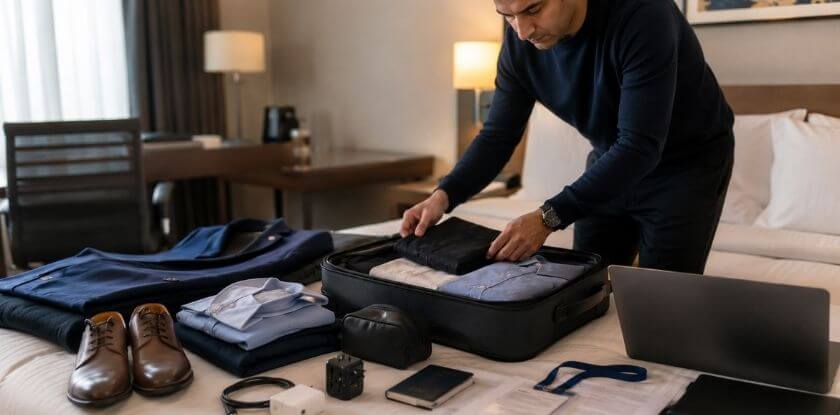
Clothing Essentials
Pack business casual outfits for regular conference days and one more polished option for receptions, keynotes, or meetings. Add comfortable shoes, a light jacket, a backup top, weather-appropriate outerwear, and clean casual clothes for travel time. For international conferences, consider local culture, climate, and any formal events on the schedule.
Tech and Work Essentials
Cybersecurity conferences often involve demos, workshops, note-taking, and digital networking. Useful items include:
- Laptop or tablet
- Chargers and cables
- Portable power bank
- Universal adapter for international travel
- Notebook and pen
- Business cards, resume link, or portfolio link
- Headphones
- Registration confirmation, ticket, or invitation letter
Be careful with unknown USB devices, public charging points, and unsecured networks. Keep your devices updated and do not leave them unattended.
Travel and Comfort Items
Helpful comfort items include a refillable water bottle if allowed, light snacks, hand sanitizer, breath mints, an umbrella, personal medication, travel documents, hotel details, and a small folder for receipts or printed materials.
Keep your bag light, because you may collect brochures, badges, certificates, notebooks, or sponsor materials during the event. If you travel internationally, keep important documents in both digital and printed form, especially conference invitation letters, accommodation details, and return travel information.
Common Dress Code Mistakes to Avoid
Mistakes usually come from ignoring the event type, venue, schedule, or networking purpose. You do not need a perfect outfit, but avoiding simple errors protects your professional image.
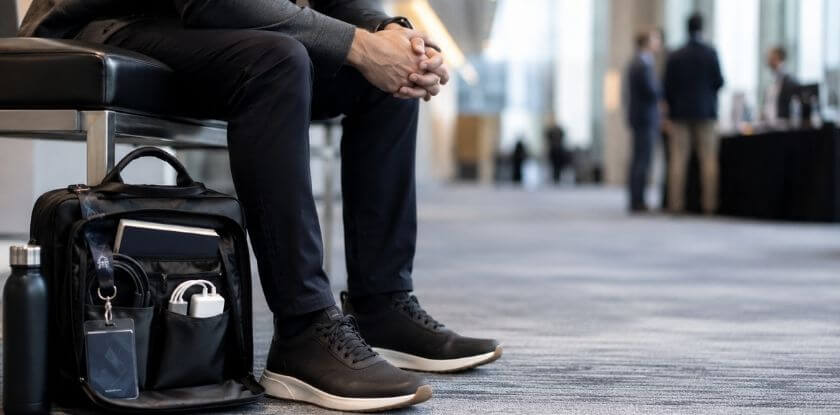
- Wearing wrinkled, stained, or damaged clothing
- Dressing too casually for formal panels or business meetings
- Ignoring evening reception or VIP session expectations
- Choosing painful shoes for a full conference day
- Forgetting a jacket for cold conference halls
- Wearing strong fragrances in crowded rooms
- Carrying an overloaded or messy bag
- Assuming virtual events need no professional appearance
Clean business casual clothing, comfortable shoes, and one extra layer is the safest combination. Your outfit should support your credibility, not become the topic of conversation.
How to Choose the Right Cyber Security Conference
The right event matches your learning goals, career plans, technical interests, budget, location, and networking needs. Cybersecurity is broad, so not every event suits every attendee, and your choice also decides what you will wear.
Match the Event With Your Career Goals
Define your purpose first: new technical skills, recruiters, presenting research, security tools, contacts, compliance, or professional visibility. For hands-on skills, look for labs and workshops. For career growth, look for recruiter access and networking sessions. For research exposure, choose academic or paper-focused events.
Review Topics, Speakers, and Workshops
Check the agenda before registering. Useful topics may include network security, cloud security, application security, penetration testing, digital forensics, incident response, threat intelligence, risk management, privacy, artificial intelligence, and security leadership. A strong conference has clear themes and credible contributors.
Consider Location, Format, and Travel Needs
In-person conferences are better for networking, virtual events are more flexible, and hybrid events may offer live interaction plus recorded access. For international events, consider registration cost, flights, accommodation, visa requirements, invitation letters, local transport, time zone, and safety.
Look for Networking and Professional Growth Opportunities
Look for receptions, breakout discussions, career fairs, sponsor booths, student sessions, roundtables, conference apps, or poster presentations. The best conference is not always the biggest one. A smaller event with the right audience can be more useful than a large event that does not match your goals.
From our experience at MS International: our conferences are held in person at venues in the Greater Toronto Area. Presenters meet the session coordinator or moderator before the session, and the moderator introduces them before the presentation. Approved speakers receive a certificate that recognizes their attendance and contribution; it is not a publication certificate. Our business pages do not set a dress code, and your speaker confirmation and the final conference programme are the official sources for event details.
FAQ: Cyber Security Conference Dress Code
Hoodies, tech T-shirts and jeans sit alongside harder calls at cyber security events, such as a networking dinner, a speaker slot, a virtual session or the rules at DEF CON and RSA.
Is there a specific dress code for cyber security conferences?
No, there is no industry-wide rule, although some events publish their own. Business casual is the safest default, while relaxed technical events may allow jeans, sneakers, hoodies, or tech T-shirts.
Is business casual required at cyber security conferences?
Only when the event says so. Some events, such as CYBER.ORG’s in-person events, encourage it in writing. Otherwise it is a safe default, because one venue can hold technical sessions, sponsor booths, recruiters, researchers, and business leaders.
Does DEF CON or RSA Conference have a dress code?
DEF CON’s official FAQ sets no dress code. RSA Conference’s Code of Conduct encourages business casual, and untorn jeans are fine, while exhibitor booth staff can face stricter rules. Check the current year’s pages before you travel.
Do any cyber security events require formal dress?
Yes, a few do. CyFy 2022 required formal attire in its participation charter, and the techUK Cyber Security Dinner on 6 October 2026 listed business attire. Check the invitation or event page before you pack.
Can I wear jeans to a cyber security conference?
Yes, if they are clean, dark, and styled neatly. Pair them with a collared shirt, polo, blouse, blazer, or smart jacket for a more conference-ready look.
Can I wear a hoodie or tech T-shirt?
At casual, community-led, or hands-on events, yes. For corporate, government, or formal networking sessions, choose a more polished top or add a structured layer.
Should speakers dress differently from attendees?
Yes, slightly more professionally. Speakers may appear on stage, in photos, or in recordings, so their outfit should look polished, comfortable, and audience-appropriate.
What should I wear to a virtual cyber security conference?
Something tidy from the shoulders up: a shirt, blouse, polo, sweater, or blazer. Then check your lighting, background, camera angle, and visible accessories.
What should I wear to a cyber security networking dinner?
Business casual or dressier smart casual. A blazer, neat shirt, blouse, dress pants, chinos, dark jeans, or polished shoes helps you look professional and approachable.
Are sneakers acceptable at cyber security conferences?
Yes, at many of them, if they are clean and simple. At formal sessions, dress shoes or polished boots are the better pick.
Conclusion
No single dress code covers every cyber security conference, but business casual is the most reliable choice. Corporate, government, and executive-focused events usually expect a more polished look, while hacker, startup, academic, and community-led events often allow smart casual.
Check the event website, agenda, venue, and past photos before you pack. If the dress code is still unclear, wear clean business casual clothing and bring one extra layer or formal item for meetings and dinners.