
Finishing fingerprints at the visa centre often feels like the hard part is over. Many Nigerian applicants leave that appointment relieved, then start to wonder whether a refusal can still come.
Quick answer: Yes, a US visa can be refused after biometrics from Nigeria. Fingerprints and a photo only confirm who you are and feed security checks. The consular officer still decides after the interview and document review, and can refuse under section 214(b), 221(g) or another ground. Since January 2026, Nigerian B-1/B-2 applicants also face partial entry restrictions and, if found otherwise eligible, may be asked to post a visa bond set by the consular officer.
Fact-checked by the MS International Editorial Team. Last verified against official sources: October 2026.
Biometrics feel like a milestone, but they are an identity step, not an approval. A refusal can follow for tourism, family visits, business, study, work or conference travel. A conference applicant, for example, may complete fingerprints and still be refused if the officer doubts the purpose of travel, who is paying, or the plan to return to Nigeria afterwards. Biometrics support your application. They do not replace strong documents, honest answers and a clear travel plan.
Can a U.S. Visa Still Be Denied After Biometrics?
Yes. A U.S. visa can be denied after biometrics if you do not prove you qualify for the visa category. Fingerprints and photo capture only mean the identity-check step is done.
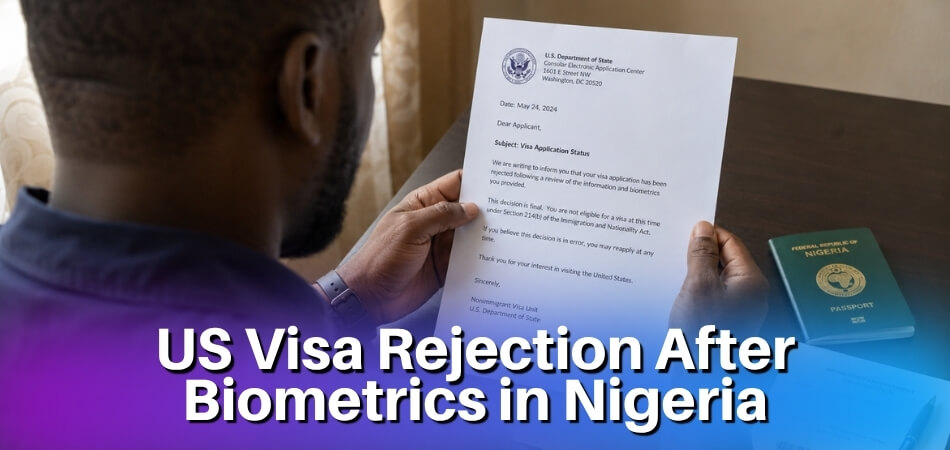
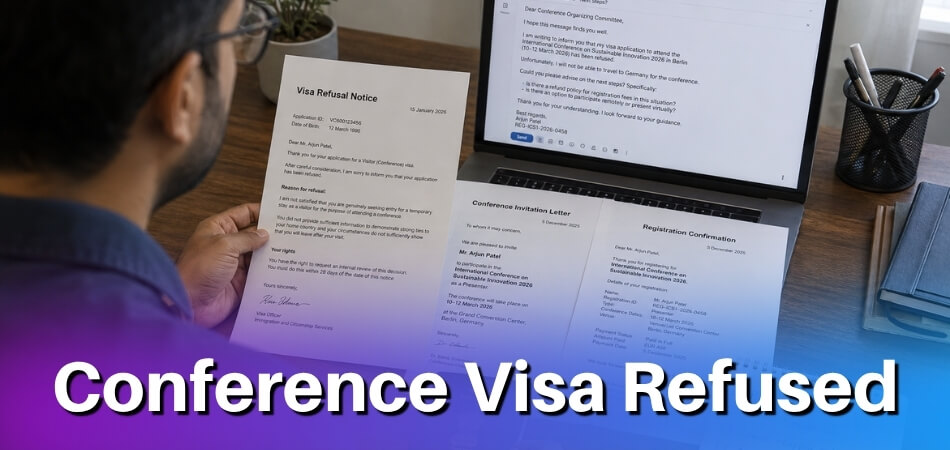
The decision usually comes at or soon after the interview. You may be told on the spot that the visa is refused, or the case may be held under administrative processing, or refused under 221(g) until you send more documents.
Preparation therefore does not stop after biometrics. The officer wants clear answers to a few questions. Why are you travelling? Who pays? What will you do in the U.S., and for how long? What brings you back to Nigeria? Are your documents genuine and consistent with each other?
What Does Biometrics Mean in the U.S. Visa Process?
Biometrics in the U.S. visa process means collecting digital fingerprints and a photograph to verify your identity and support background checks. U.S. authorities compare these details with immigration, criminal and security records.
The purpose is to reduce fraud and to show whether someone has used a different name or passport before. It is not the same as the USCIS biometrics appointment used for immigration benefits inside the U.S. Your consulate appointment confirmation tells you where and when fingerprints are taken.
Biometrics do not explain your travel purpose, prove your income, confirm your ties to Nigeria, or show that you will obey visa rules. Those points are judged from three things. The visa interview is the main test, and your answers must match your DS-160 and your documents. Your documents back up those answers, and weak, missing, fake or unclear papers can lead to refusal. Your immigration history also counts: previous refusals, overstays, unauthorised work, false statements or visa misuse create serious concerns that biometrics cannot erase. Some cases also need extra review, called administrative processing, which delays the decision until more information is checked.
That is why a person can pass biometrics and still be refused. The same holds for UK and Schengen visas, where a visa can get rejected after biometrics because officers decide only after that step.
Main Reasons a USA Visa Can Be Rejected After Biometrics From Nigeria
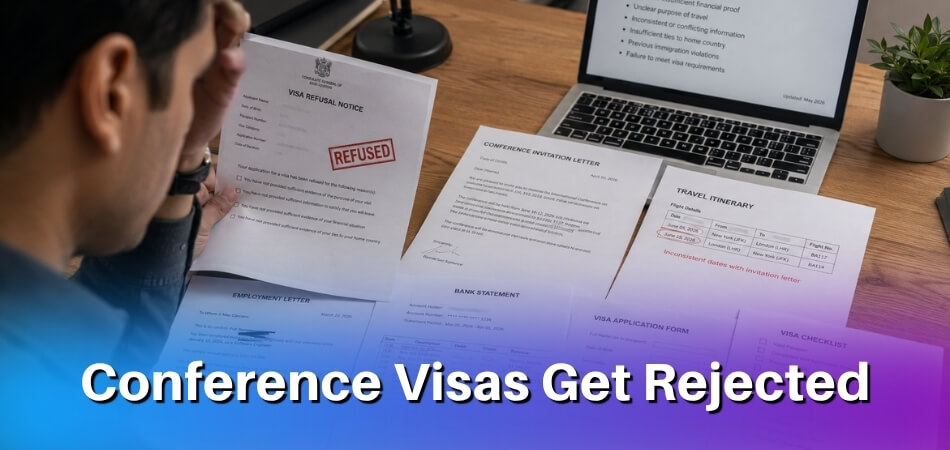
The most common reasons are weak documents, inconsistent interview answers, weak ties to Nigeria, insufficient funds, an unclear travel purpose, and previous visa problems. For temporary visitor visas, the refusal is often under section 214(b), which means the officer was not satisfied that you will return home.
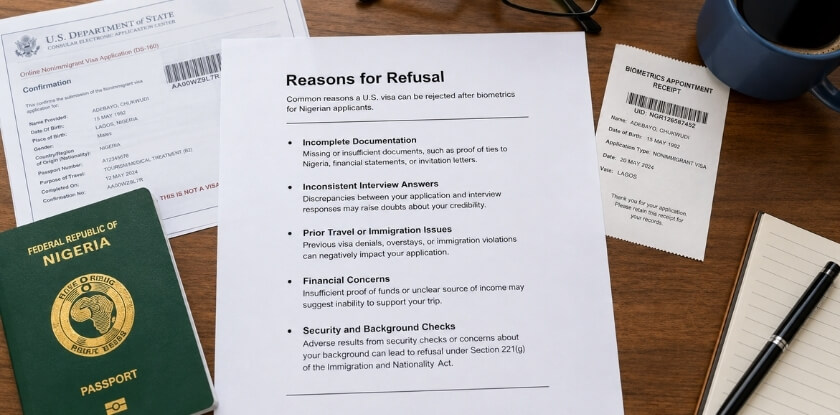
Weak or Incomplete Supporting Documents
Missing bank statements, unclear employment letters, incomplete invitation details or confusing travel plans weaken a case. Every document should match your DS-160 and your interview answers. Fake bank statements, employment letters or invitation documents are the most damaging, because officers question papers that look suspicious or do not fit your background.
Poor or Inconsistent Interview Answers
Answers that sound rehearsed, contradict the form, or wander off the question make the officer doubt your real intention. Some applicants memorise answers from online videos or agents, then freeze when the officer asks something different. Short, honest, direct answers work better than long explanations.
Weak Ties to Nigeria
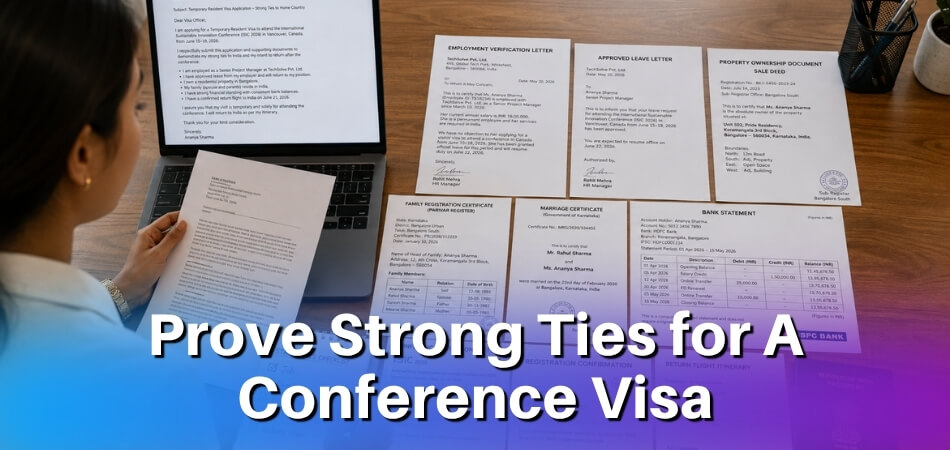
Temporary visa applicants must usually show reasons to return: a job, business, school enrolment, family responsibilities, property or professional commitments. If the officer thinks you may not return, the visa can be refused.
Insufficient Financial Proof
A low balance, unexplained large deposits or income that does not fit the trip raise concern. Funds should make sense for the length of stay, destination and purpose, or you need a credible sponsor. If someone sponsors you, the relationship and reason must be clear.
Unclear Travel Purpose
“Tourism,” “conference,” “business” or “family visit” needs detail behind it. For a conference trip, that means registration proof, an invitation letter, event details and an employer letter showing why the event is relevant.
Previous Visa Refusal or Violation
An earlier refusal does not automatically cause a new one, but the old issue must be addressed. Overstays, unauthorised work, false documents or wrong information can seriously hurt a new application.
Security or Immigration Concerns
If biometrics or background checks reveal identity, criminal, security or immigration concerns, the application may be refused or held for further checks.
What Documents Can Affect a U.S. Visa Decision After Biometrics?
Financial records, employment proof, school or business documents, invitation letters, travel history and evidence of home ties can all affect the decision. They help the officer judge whether your application is genuine.
| Document Type | Why It Matters |
| Bank statements | Show whether you can afford the trip |
| Employment letter | Supports income, job role and reason to return |
| Business records | Prove business ownership or self-employment |
| School documents | Show student status and academic ties |
| Invitation letter and conference registration | Support the reason for travel and prove event-related travel |
| Family or property evidence | Shows ties to Nigeria |
| Travel history | Shows past travel behaviour and compliance |
| Hotel and itinerary | Show realistic travel planning |
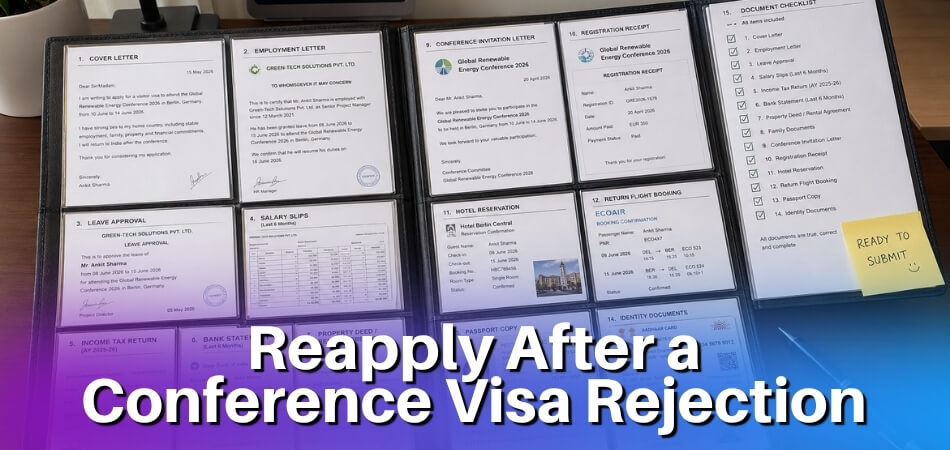
For conference applicants, the documents should clearly show the event title, location, dates, organiser, your registration status and why you are attending. If an employer, university or sponsor pays, the sponsorship letter should explain the relationship, purpose and who carries the cost. A simple, genuine file beats a thick file of questionable papers.
If you are refused, your conference registration does not cancel automatically and no refund is owed. MS International’s refund policy lists visa refusal among the reasons refunds are not given, so read any organiser’s terms before you pay.
From our experience at MS International: our invitation letter supports an application but does not guarantee a visa, and the decision stays with the consular officer. Officers weigh the letter together with your job, funds and ties, so make sure its details match your DS-160, including event dates and your role. We issue the letter within 3 to 5 business days after payment clears, so register well before your interview.
What Happens After Biometrics for a U.S. Visa in Nigeria?
After biometrics, your identity and background are checked, the interview and documents are reviewed, and the officer decides to issue, refuse or continue processing the case. The exact order depends on your visa type and appointment instructions.
- Identity confirmation: fingerprints and photo verify you.
- Security checks: records are checked against immigration and security databases.
- Interview review: the officer checks that answers match the form and purpose.
- Document review: supporting evidence is assessed for consistency.
- Final decision: the case is approved, refused, or held for further processing.
As of August 1, 2026, the U.S. Mission Nigeria says U.S. Embassy Abuja no longer offers routine visa services, and U.S. Consulate General Lagos is the designated location for appointments and fee payment. Confirm this on the official U.S. Mission Nigeria site before booking.
Could a Visa Bond Affect Nigerian Applicants?
Yes. Nigerians found otherwise eligible for a B-1/B-2 visa can be required to post a bond before the visa is issued. Nigeria has been on the bond list since January 21, 2026. The officer tells you at the interview whether you qualify, sets the amount and gives payment instructions.
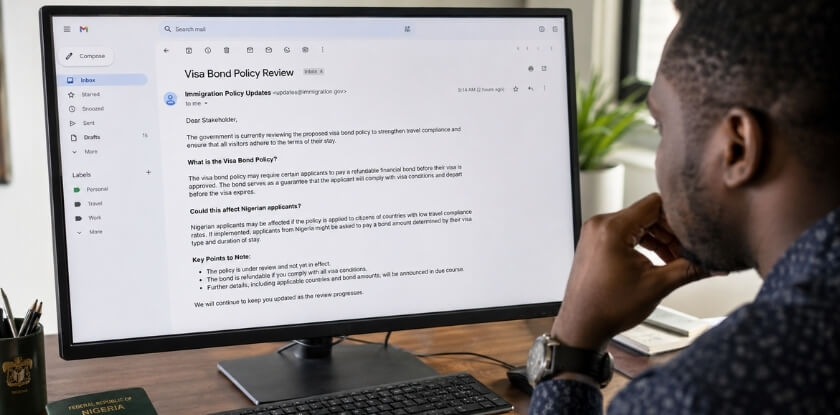
The pilot began in August 2025 with bonds of $5,000, $10,000 or $15,000. From August 3, 2026, it became a permanent Visa Bond Program, and reported amounts are now $10,000, $15,000 or $20,000. The bond is posted through Pay.gov with Form I-352, only after the officer asks for it. Check the current list and amounts on travel.state.gov before you pay anything.
Points to remember:
- A bond is separate from the visa application fee, and the requirement applies wherever you apply.
- It does not replace the interview or guarantee approval.
- It is refundable if you follow the visa conditions. Overstaying or breaking the rules can affect the refund and future applications.
- Pay only through instructions given by the consular officer or the official site. Ignore agents and rumours about new fees.
What Changed for Nigerian Visitor Visa Applicants in 2026?
Since January 1, 2026, Nigeria has been on the partial entry restriction list under Presidential Proclamation 10998, which suspends entry of Nigerians as immigrants and on B-1/B-2 visitor visas and F, M and J student and exchange visas. The U.S. Mission Nigeria said applicants may still apply and attend interviews, but may be found ineligible for issuance or entry.
This matters for the title question. A refusal after biometrics may now come from this restriction rather than from your documents, and exceptions are case by case. Visas that were valid before the effective date were not revoked, and the listed exceptions include lawful permanent residents and dual nationals applying on a passport from a country the proclamation does not cover. Restrictions are reviewed periodically, so check the status before paying any fee.
Interview waivers have also narrowed. Since October 1, 2025, most nonimmigrant applicants need an in-person interview and generally must apply in their country of nationality or usual residence. A first-time Nigerian visitor applicant should not expect a waiver.
Can You Reapply If Your U.S. Visa Is Rejected After Biometrics?
Yes, you can usually reapply, but first understand the refusal reason and fix the weak areas. Reapplying with the same information often brings the same result.
Review the refusal notice or the officer’s explanation, which names the legal section. If documents were missing, prepare stronger evidence. If your purpose was unclear, explain it better. If funds were weak, improve your proof. If answers were inconsistent, recheck your DS-160 and papers.
A 214(b) refusal cannot be appealed. You can only apply again, ideally with new information or changed circumstances, and you must declare the earlier refusal honestly on the new DS-160. A new application usually needs a new appointment and a new visa fee, except a 221(g) case where you only send the requested documents within a year. The fee pays for processing, not approval, so it is not refunded after a refusal.
Consider professional guidance if the refusal involves misrepresentation, past overstay, criminal history or repeated denials. For simple refusals based on weak evidence, careful preparation may be enough. What matters is not how fast you reapply but whether the new application is stronger.
How to Reduce the Risk of U.S. Visa Rejection After Biometrics
Submit genuine documents, prepare clear interview answers, prove ties to Nigeria, show realistic funding and keep every detail consistent. Nothing guarantees approval, but a clear, honest file improves your chances.
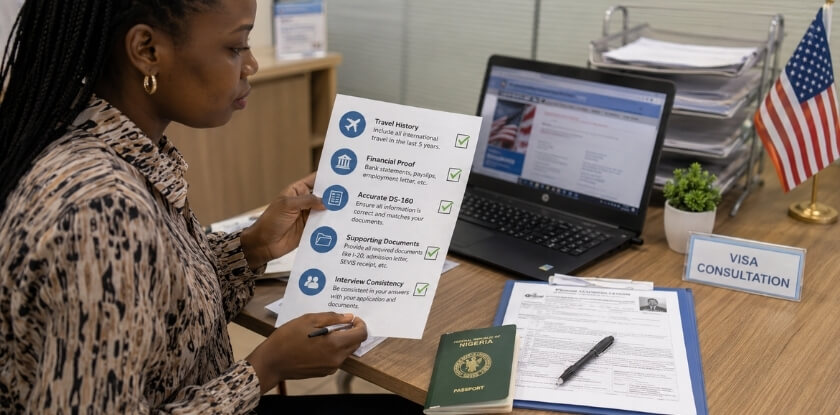
Before the interview, check your DS-160 for your name, travel purpose, employment, sponsor and travel history. If the form says one thing and you say another, your credibility suffers. Use only real documents. If one is not available, explain honestly rather than create false evidence. Be ready to describe your purpose in simple words.
Show ties to Nigeria with relevant evidence, and make sure your financial proof covers flights, accommodation, meals and other costs. Organise everything neatly and be ready to say who is paying.
Before biometrics, confirm your appointment location and time, check your passport and DS-160 confirmation, follow the appointment instructions and bring the required papers.
USA Visa After Biometrics: What Nigerian Conference Applicants Should Know
Conference applicants must show that the event is genuine, the trip is temporary, and the visit fits their academic, business or professional purpose. Biometrics prove none of this.
Beyond the invitation and registration proof described earlier, prepare the payment receipt, event schedule, organiser details, hotel booking and a business profile if relevant. If you are presenting a paper, add the acceptance proof and presentation details.
Know the event name, date, location and topic, and how it connects to your role. Expect questions on why you chose this conference, who pays, how long you will stay and what you will do afterwards. The event should fit naturally with your work, studies or business goals. If it looks like only an excuse to travel, the officer will notice.
Difference Between Visa Rejection, Refusal, and Administrative Processing
People say “rejected,” but U.S. cases are described as refused, refused under 221(g), or in administrative processing. Knowing which one you have tells you what to do next.
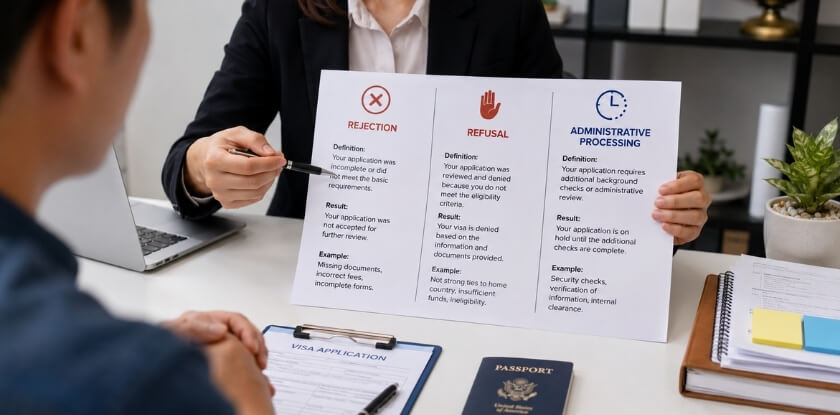
| Status | What it means | What to do |
| Issued | Visa approved; passport return begins | Wait for delivery |
| Refused (for example 214(b)) | Officer was not satisfied you qualify | Fix the weakness, then apply again |
| 221(g) | More documents or processing needed; refused for now | Send exactly what the officer asks for |
| Administrative processing | Extra checks before a final decision | Wait and follow instructions; do not send extra papers |
A 221(g) case may be reconsidered once the requested information arrives or the review ends. Timing varies. If the officer asked for documents, send them within one year of the refusal date, because after that you must apply again and pay the fee again. A regular refusal on eligibility grounds needs a new application, which should address the earlier reason.
FAQs About USA Visa Rejection After Biometrics From Nigeria
Nigerian applicants who have already given fingerprints often wonder whether a clean record or low funds can still lead to refusal, what administrative processing signals and if visa or conference registration fees come back.
Can a U.S. visa be rejected after fingerprints are taken?
Yes. Fingerprints support identity and background checks, but the visa can still be refused if you do not qualify.
Does completing biometrics mean my U.S. visa is approved?
No. It only means the identity-capture step is done. Approval depends on the full application review.
How long after biometrics will I know my U.S. visa decision?
Often at the interview itself. If your case goes to 221(g) or administrative processing, there is no fixed timeline and it can take weeks or longer. Check your case status on the CEAC website with your application ID.
Can a clean criminal record still lead to visa refusal?
Yes. A clean record helps, but weak finances, an unclear purpose, poor answers or lack of home ties can still cause refusal.
Can insufficient funds cause denial after biometrics?
Yes. If the officer is not satisfied that you can pay for the trip or that your sponsor is credible, the visa may be refused.
Can I get a refund if my U.S. visa is rejected?
No. The visa application fee is non-refundable, even after a refusal. If the refusal was 221(g), documents sent within one year need no new fee.
Can I reapply immediately after a U.S. visa refusal?
Usually yes, with no appeal against a 214(b) refusal. Fix the weakness first, because the same information is likely to bring another refusal, and declare the earlier refusal on the new DS-160.
Can I be approved without an interview after biometrics?
Rarely. Since October 2025, interview waivers cover only a short list of categories, mainly some renewals. Most Nigerian visitor applicants should expect an interview.
Will my conference registration fee be refunded if my U.S. visa is refused?
Usually not. MS International registration fees are non-refundable, even after a visa refusal. Terms differ between organisers, so check the policy first.
Does administrative processing mean my visa is rejected?
No. It means extra review is needed. The case may be shown as refused under 221(g) meanwhile, but the final outcome can still change.
What is the best way to avoid rejection after biometrics?
Use accurate documents, answer honestly, state a clear travel purpose, show ties to Nigeria and keep everything consistent.
Final Answer: Can a USA Visa Be Rejected After Biometrics From Nigeria?
A finished biometrics appointment settles who you are, not whether you qualify. The decision rests on your interview, documents and history. For 2026, Nigerian applicants should also check the entry restrictions and visa bond rules, and if you are refused, read the legal section on the notice and correct what caused it before reapplying.
Disclaimer: This article is general information, not legal or immigration advice. Visa rules, fees, and processing times change. Confirm the current requirements on the official U.S. Department of State (travel.state.gov) and U.S. Mission Nigeria websites before you apply.